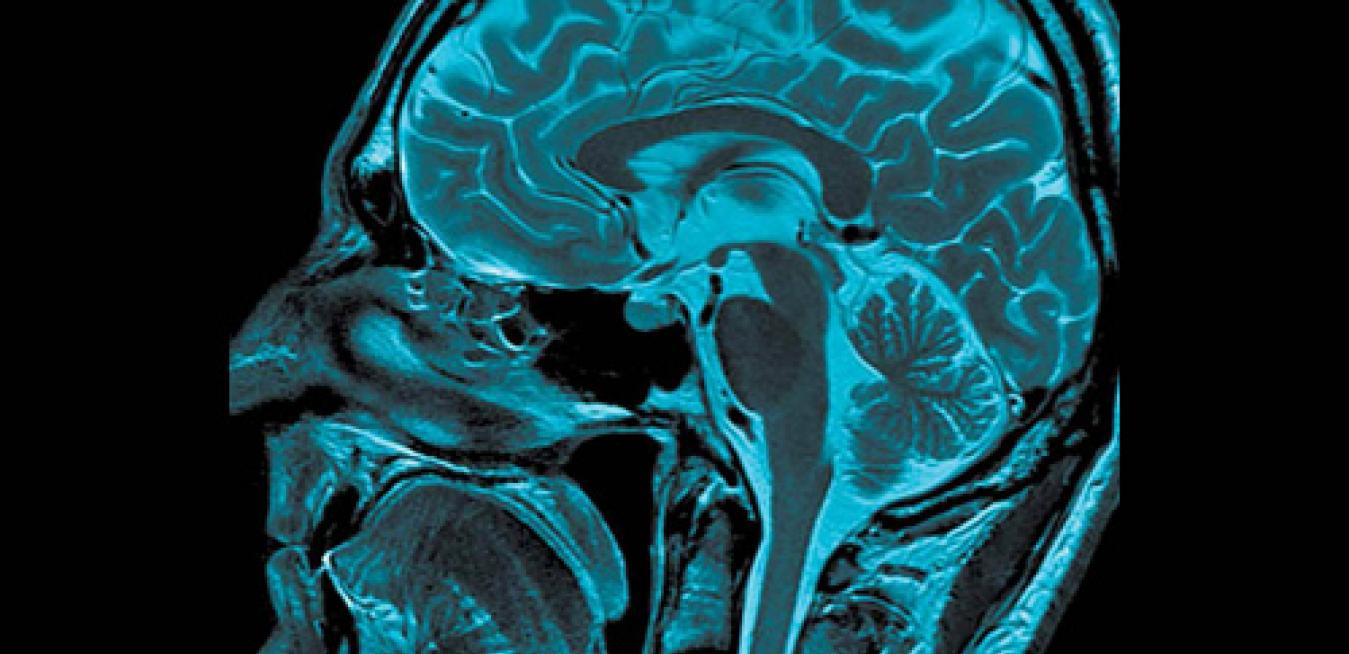
Brain Trust: GE, NFL and Under Armour Challenge Innovators to Improve Concussion Prevention and Treatment



Concussions are a major concern in sports, but they can happen anywhere. At least 1.7 million traumatic brain injuries (TBIs) occur in the United States annually. These head traumas contribute to a third of all injury-related deaths, according to the Centers for Disease Control and Prevention.
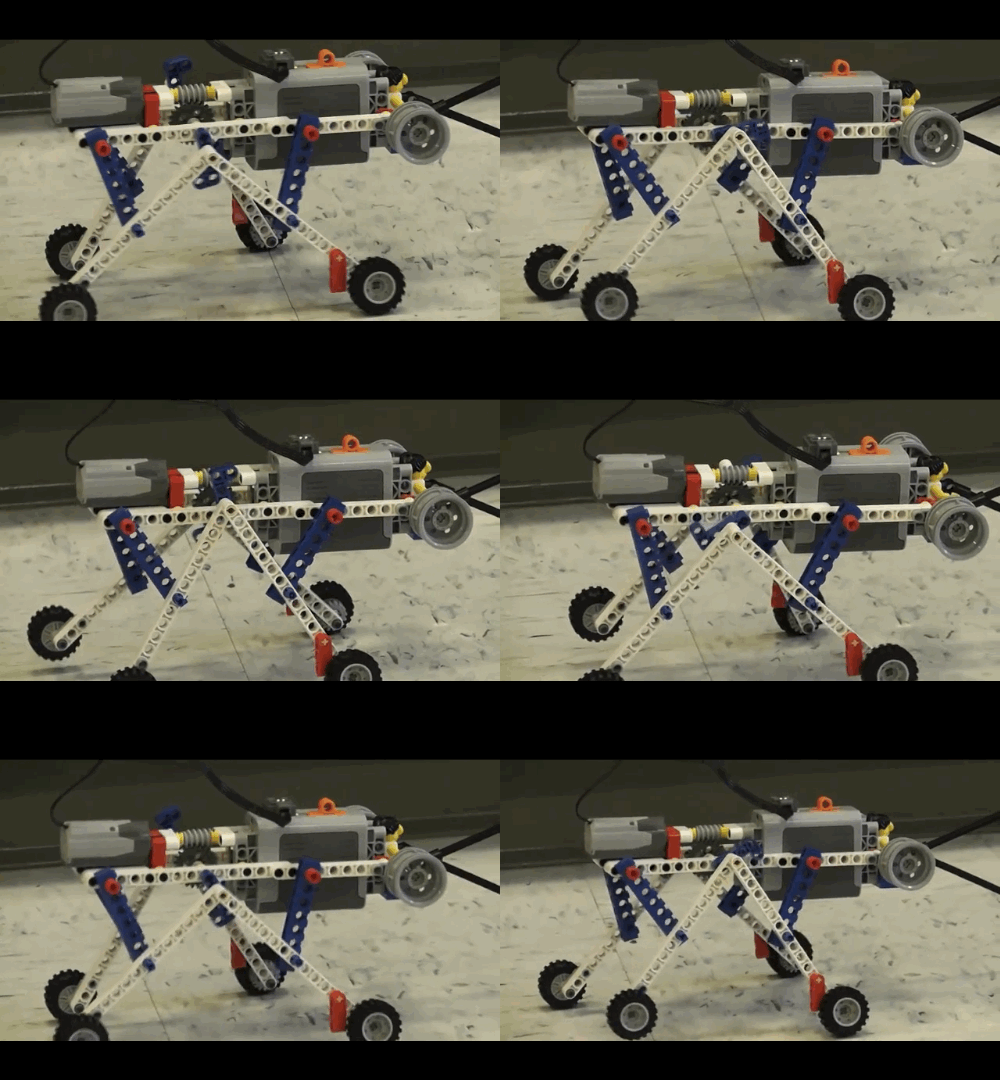
Popular Science: GE Girls Stokes Student Interest in STEM
Waukesha seventh-grader Laurel Chen says that when she grows up, she wants to be a biomedical engineer. “I like to build things, learn about math and science, and draw,” she said. “As long as it lets my creativity spark, I’ll do it.”

Slime Science: The “OMG Microscope” Helps Scientists See How Bacteria Creep
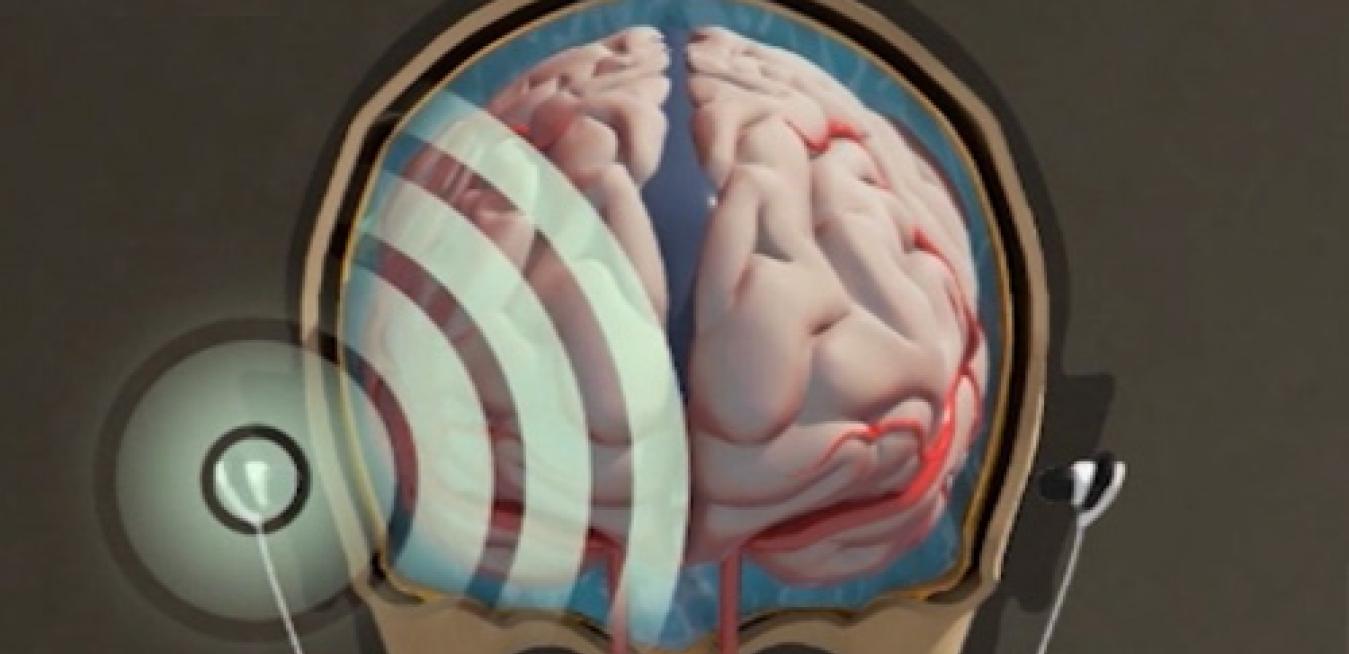
It’s Not Brain Surgery: These Earbuds Can Measure Brain Pressure, NoDrills Required
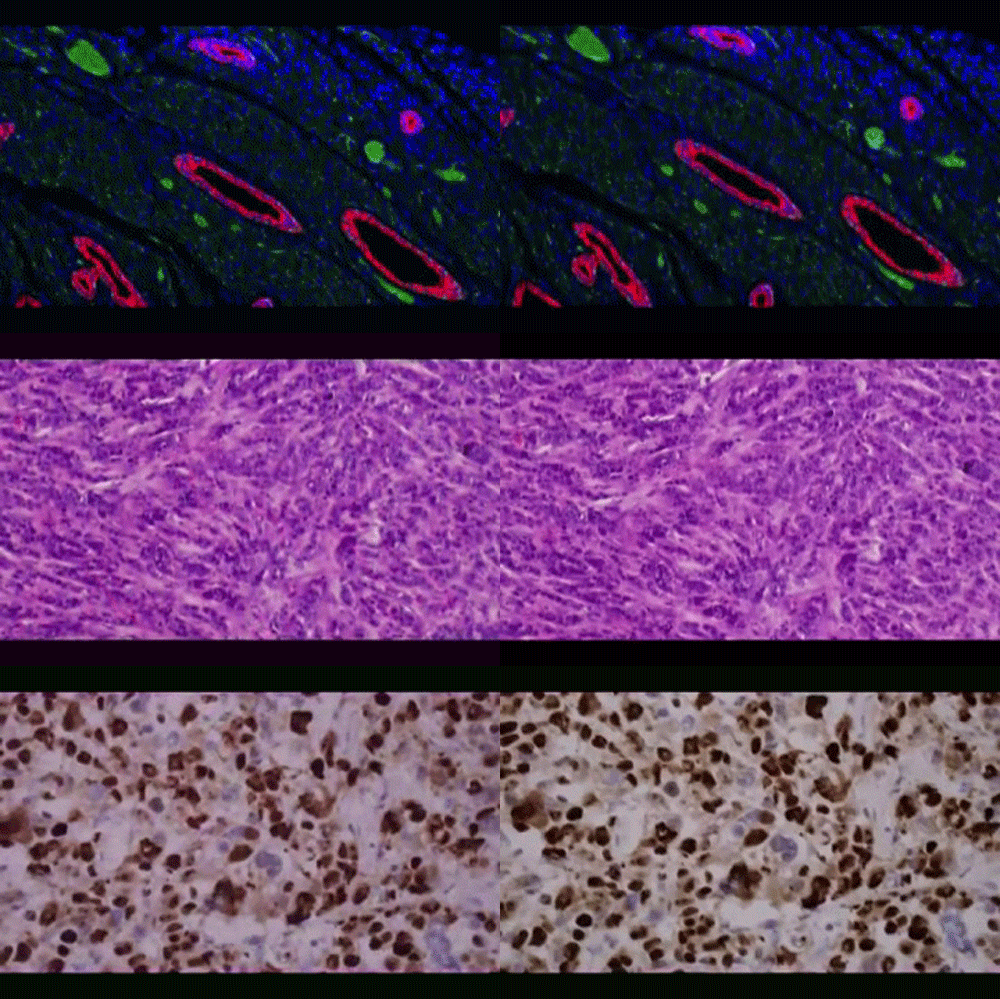
Cracking Cancer's Secret Code: Oncologist Searches for Breast Cancer’s Achilles’ Heel
Nobody likes waiting and doctors at Florida’s Aventura Hospital and Medical Center hate crowded waiting rooms as much as their patients.
That’s why last year Aventura invested in AgileTrac, a GE software system that pools and crunches gigabytes of patient and equipment data zipping across a hospital-size digital network.
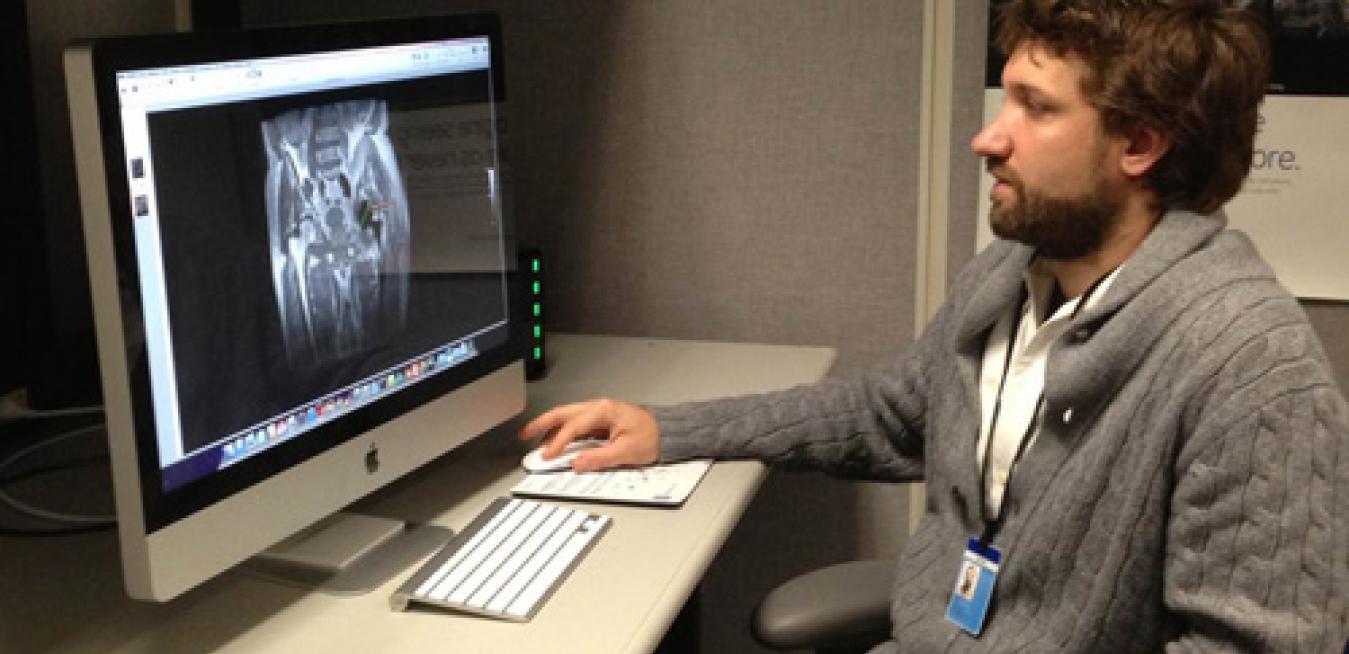
A Physicist Walks Into a Bar...: How a Random Encounter Helped TrackDown Elusive Pain
A decade ago, Yale physicist Kevin Koch was “just hitting the bars” when he struck a random conversation with a fellow graduate student at Gryphon’s Pub, a Yale student hangout. As such affairs go, they were soon discussing neuroscience, consciousness, brain imaging and other heady matters. “This student had just come from a lecture by Robert Shulman, a biophysicist and the founder of Yale’s Magnetic Resonance Research Center (MRRC), an important research hub for using magnetic resonance to study the brain,” Koch says.
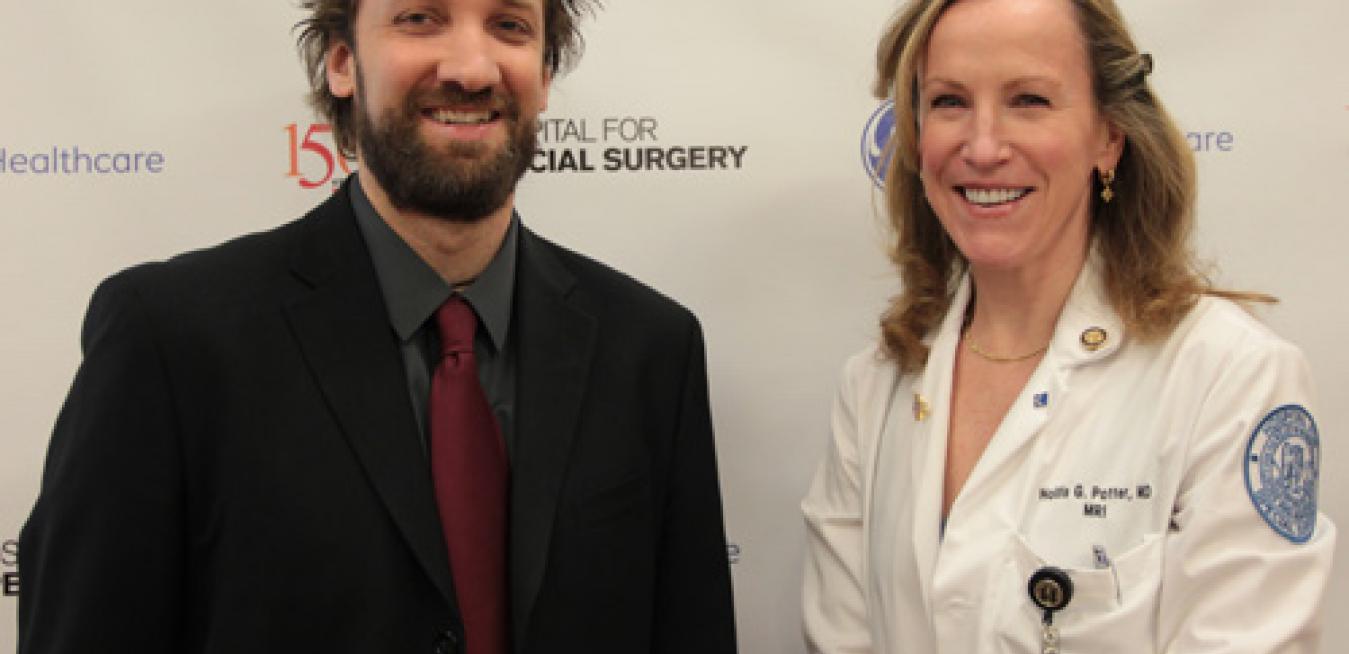
Hollis Potter and the Pursuit of Pain: Dr. Potter and a GE Physicist Probe the Magnetic Field to Find Where It Hurts
Some people are searching for happiness, radiologist Dr. Hollis Potter is looking for pain. Potter runs the magnetic resonance imaging (MRI) division and imaging research at Hospital for Special Surgery in Manhattan. She has spent the last 15 years tracking down pain gnawing at her patients’ metal hips, knees and other implants. Then a partnership with a young physicist from GE Healthcare has helped her to crack the riddle.
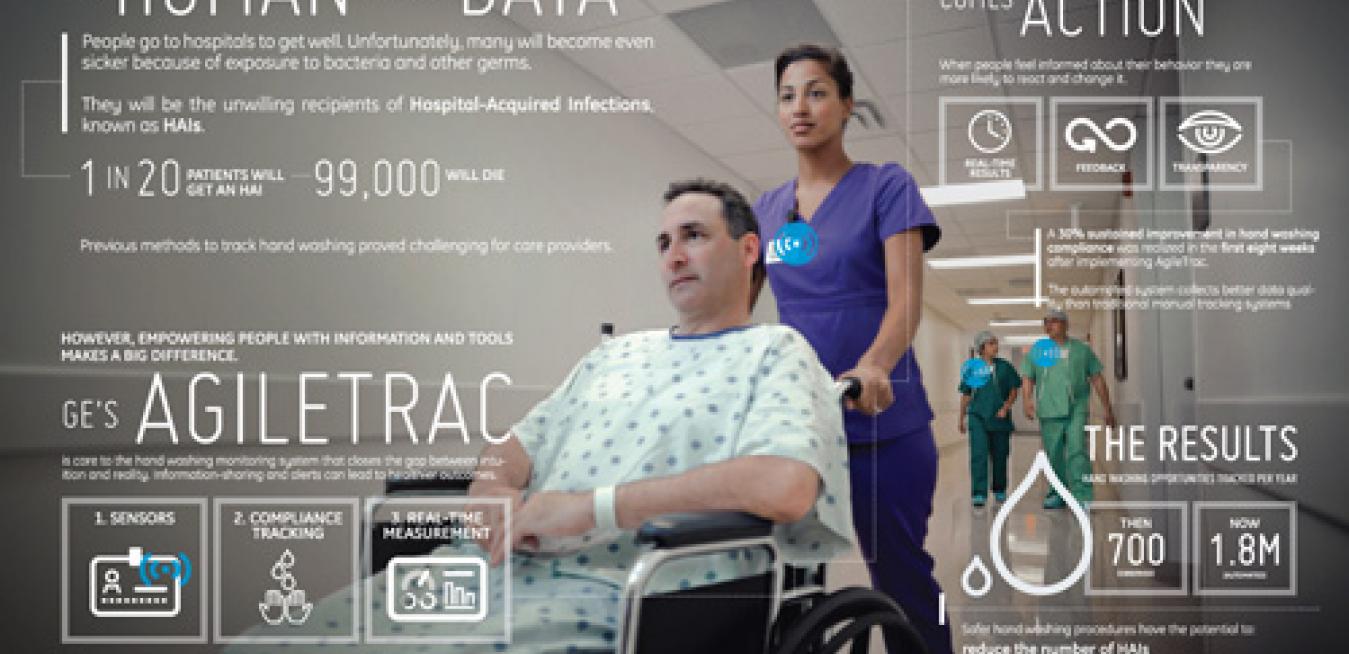
The Brilliant Soap Box: Hospital Uses the Industrial Internet to Fight Hospital Infections
We’ve all marveled at the image of the heroic surgeon whose calm voice and steady hands save the patient. But, in some ways, the most consistently heroic act health care providers can take comes in the moments before the surgery begins.