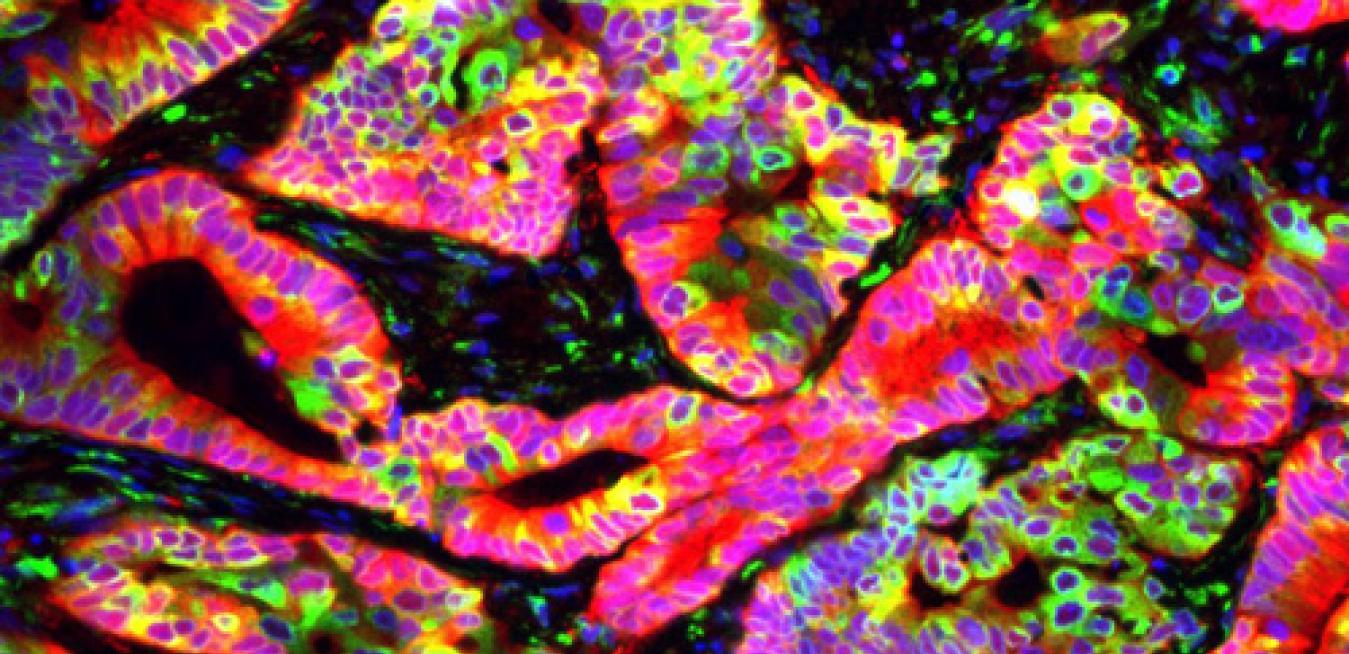
Everything Is Illuminated: New Method Aims to Light Up Pieces of the Cancer Puzzle



We’ve learned a lot about cancer, but far from enough. Doctors have gotten better at diagnosing the disease, but they still struggle to pick the right weapon for a patient to fight cancer’s aggressive behavior. “Cancer is very complicated and very different from patient to patient,” says Michael Gerdes, cancer researcher at GE Global Research (GRC) in New York. “We really have not done an adequate job matching patients to therapies. We get some patients but we miss a lot.”
Making people healthier does not always involve developing a more potent pill or building a better body imaging machine. Sometimes it pays to keep your eyes open and listen. A few years ago a group of care delivery professionals from GE Healthcare noticed that some hospitals were getting much better results than others. “Their ideas were new and innovative, but they were also incremental and did not turn the facility upside down,” says Denise Kruzikas, a healthymagination director at GE Healthcare. “They made care smoother, faster, and more efficient.”
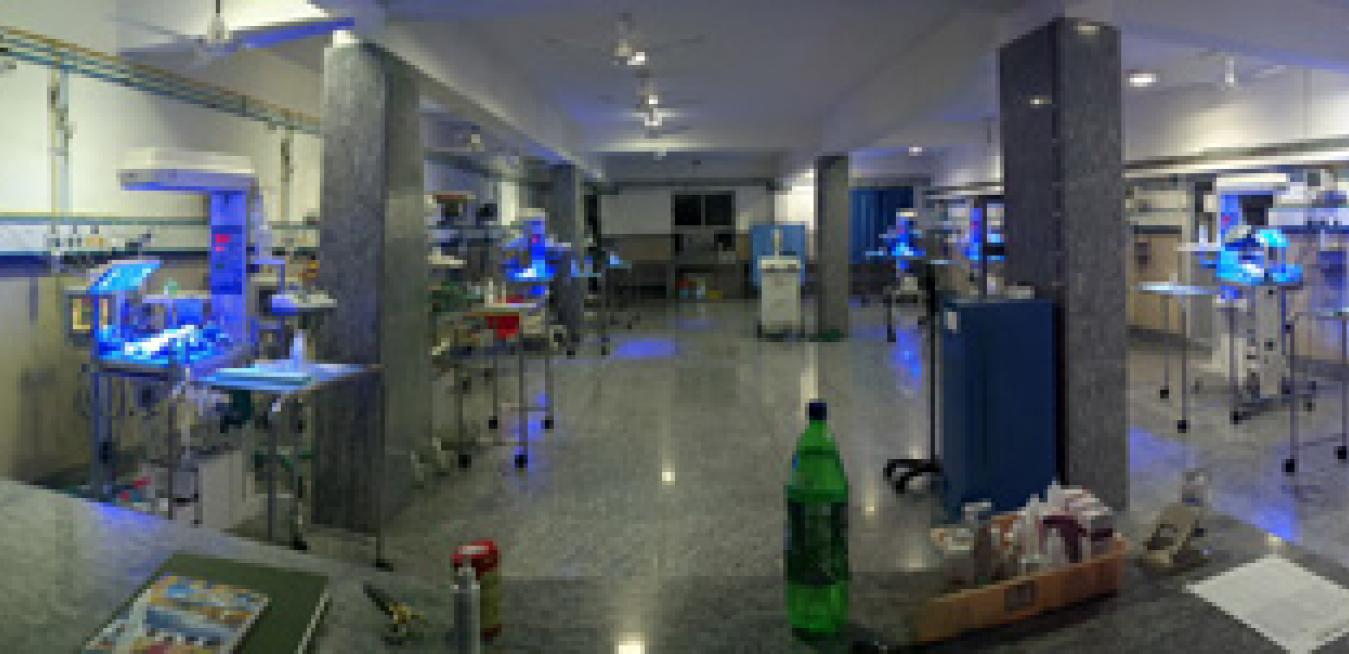
Saving Tiny Lives with help from LED Lights and Warm Beds
Dr. Rajesh Kumar and his team of 20 pediatricians inside Rani Children’s Hospital in the impoverished Indian state of Jharkhand are facing a daunting task. Dr. Kumar is one of the few neonatologists serving Jharkhand, population 32 million. On a typical day, he and his team scramble to care for as many as 100 newborns, some weighing less than two pounds at birth. Technology is a matter of life and death for Dr. Kumar’s tiny patients, and it had been slow to reach them.
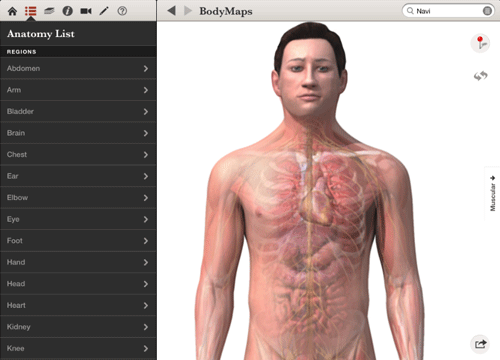
Pretty on the Inside: New BodyMaps App Lets Users Explore the Inside of the Body
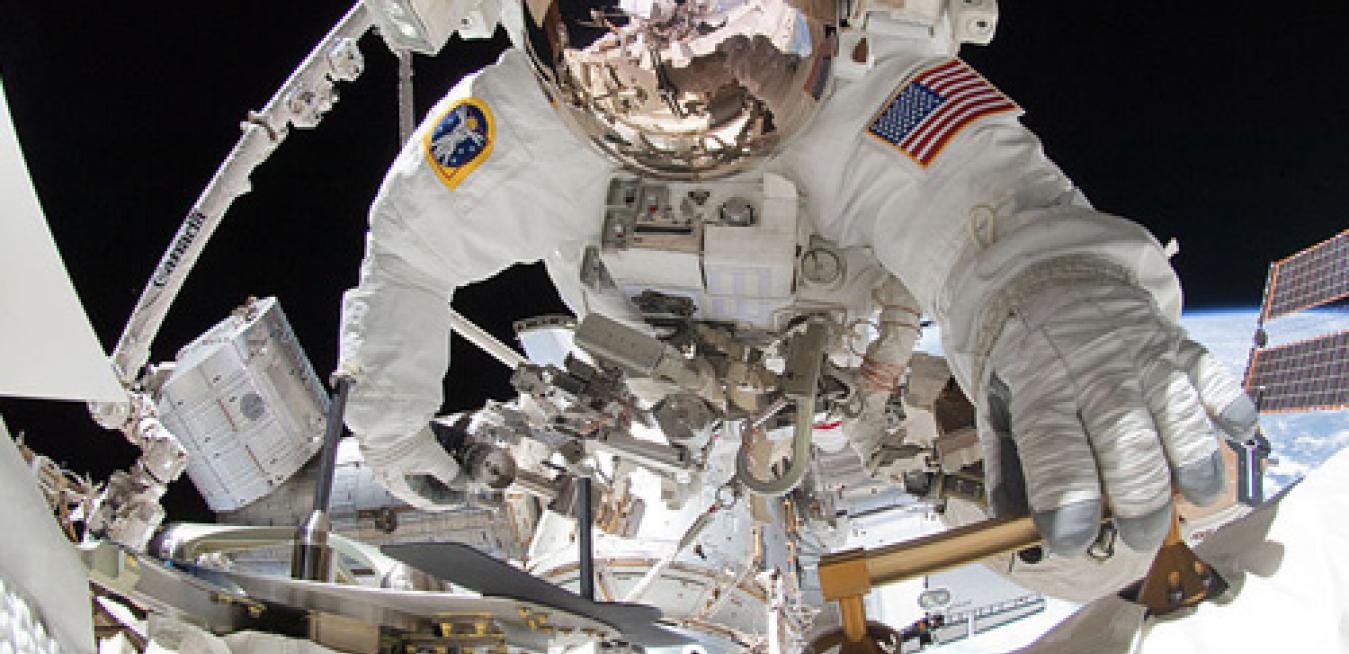
GE Researchers to Investigate Link between Microgravity and AstronautVision Loss
There are many risks involved in spaceflight. Eye damage is one of stealthiest. NASA has documented at least seven cases where astronauts with healthy eyes returned to Earth with altered vision. For some, vision loss lasts only a few weeks. Others must live with the condition for much longer and in some cases it may not resolve. The cause remains unknown, but one possible culprit is elevated intracranial pressure caused by an extended stay in microgravity.

Community Health Pioneer Says GE Grant Will Help Cut Primary Care Doctor Shortage
When Dr. H. Jack Geiger opened America’s first community health clinics in the cotton fields of segregated Mississippi and a poor Boston neighborhood, five decades ago, many of his patients had never seen a doctor. “There were enormous gaps in the health status of the African American, Native American and Hispanic populations, minority groups, and poor whites as well,” Geiger says. “There was a lot of need and community health centers were invented to deal with that need.”
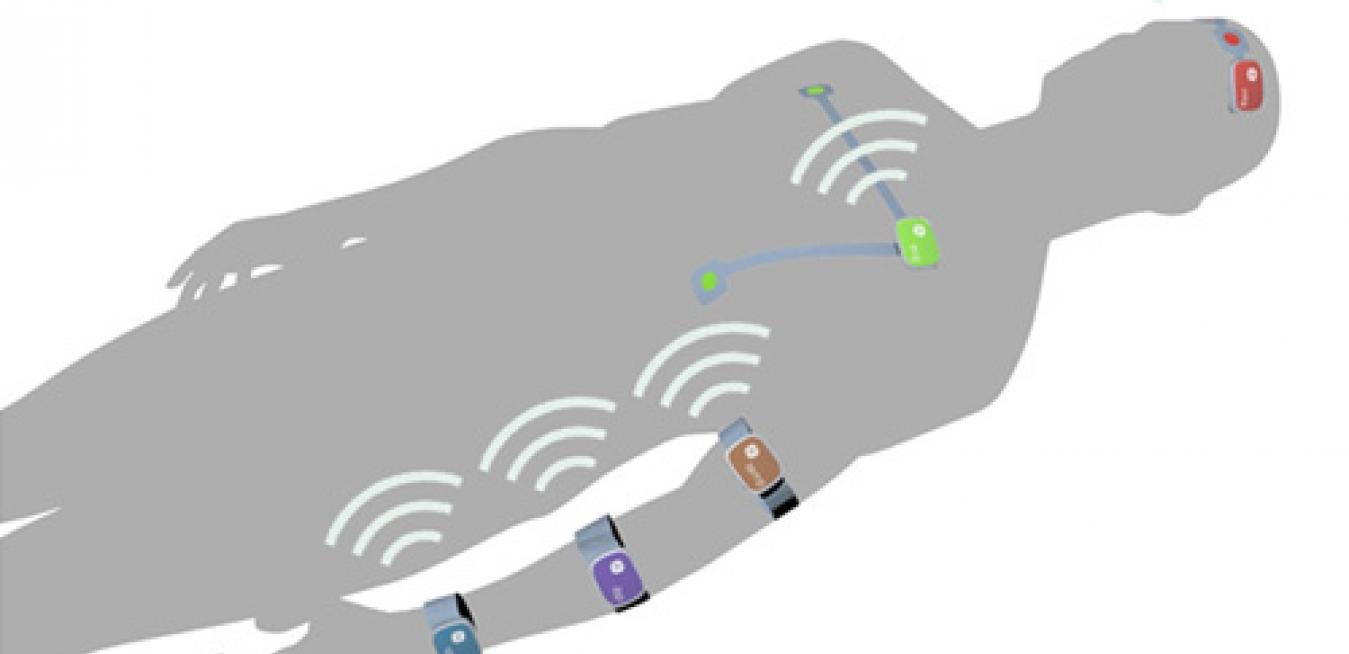
Facebook for the Body: Your Organs May Soon Report Their Status Over New Generation of Wireless Medical Sensors
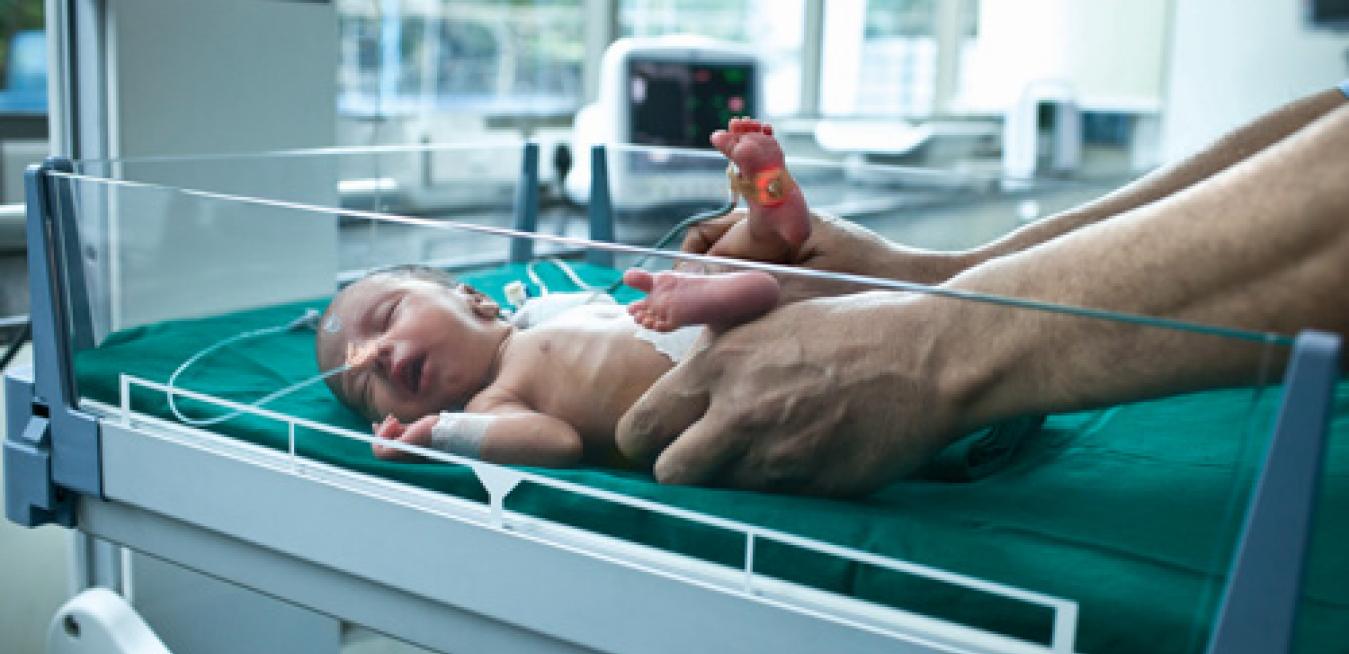
Forward in Reverse: How “Reverse Innovation” Helps Win Future Markets
GE Healthcare’s Lullaby baby warmers have grown popular with doctors in Europe’s modern maternity wards, but their birthplace is far more humble. The machines, which help newborns adjust to room temperature, have been developed to salve an urgent need half the world away, in India. “India produces one Australia every year, as many as 30 million newborns” says GE Healthcare’s Manoj Menon.
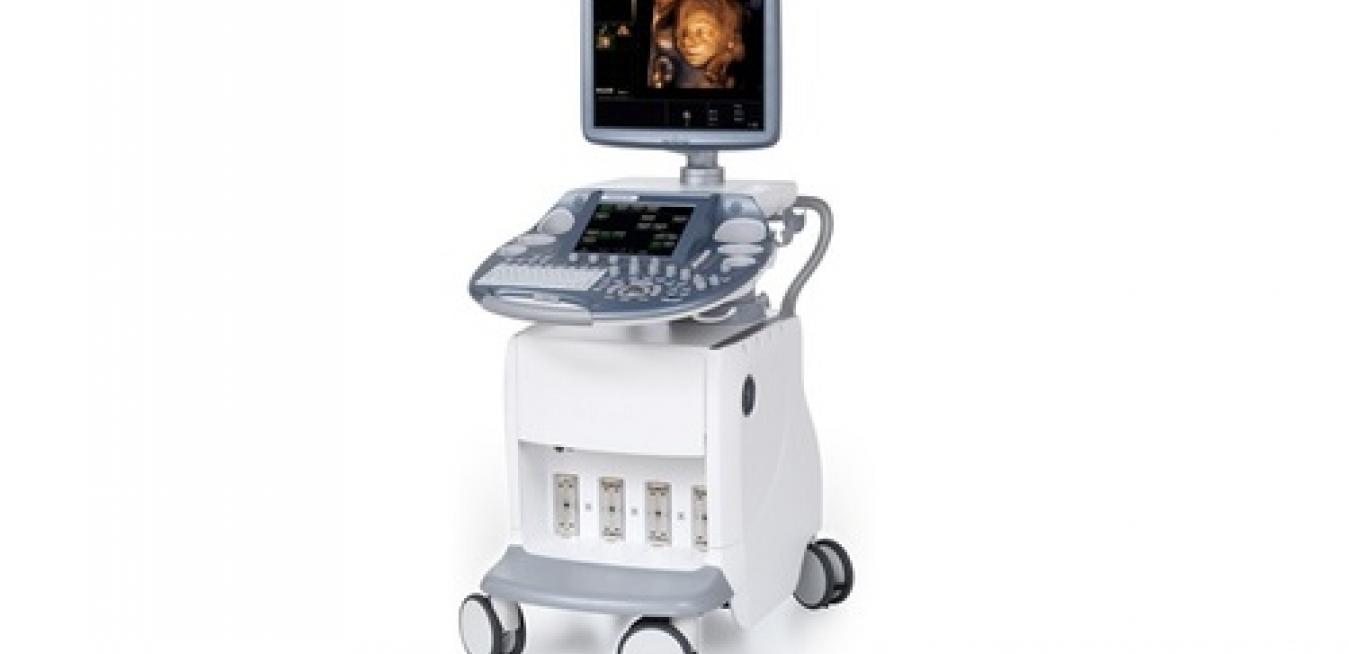
What Is 4D Ultrasound Technology?
The introduction of 3D ultrasound technology brought new clinical capabilities to light: What if we could capture an image of a fetus that was multi-dimensional? Then, GE Healthcare upped the ante even more: What if we could capture the image in four dimensions, as it moves through time to help determine crucial medical information?