
OMG! Super-Resolution Microscope Shines Light on Superbugs, Cancer and Drug-Resistant Slime




Machine Code: Big Data Lands GE on MIT Review’s Smart List
Massachusetts Institute of Technology has educated some of the sharpest engineering minds and its magazine, MIT Technology Review, reports on the latest advances from the intersection of innovation, technology and business. The Review’s editors released on Monday its annual global list of the 50 smartest companies “that have displayed impressive innovations in the past year.” Their list includes GE for the third time in a row.

This Time It’s Personal: New High-Tech Weapons Take Close Aim at Cancer
Hardly a week goes by without news of cancer breakthroughs or promising new treatments. In December, for example, scientists at the Karolinska Institutet and Science for Life Laboratory in Stockholm found gene-coding regions possibly linked to cancer in parts of the DNA that were long considered gibberish.
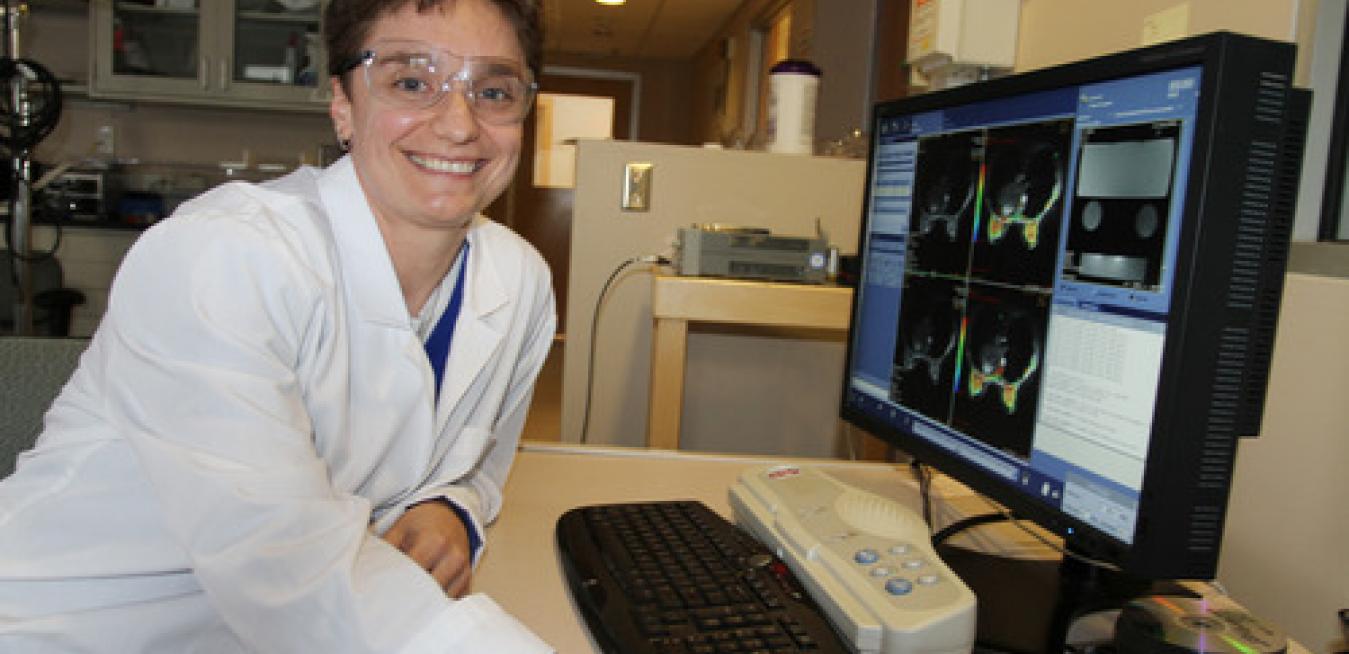
DIY Cancer Test: Cancer Scare Pushed Young Physicist to Design Her Own Breast Exam
A few years ago, Ileana Hancu, a young physicist at GE Global Research, left her lab for a routine physical exam and came back with troubling news: the doctor apparently felt a lump in Hancu’s breast. What followed was an odyssey through the achievements of modern medicine, from mammography, to ultrasound and near biopsy.
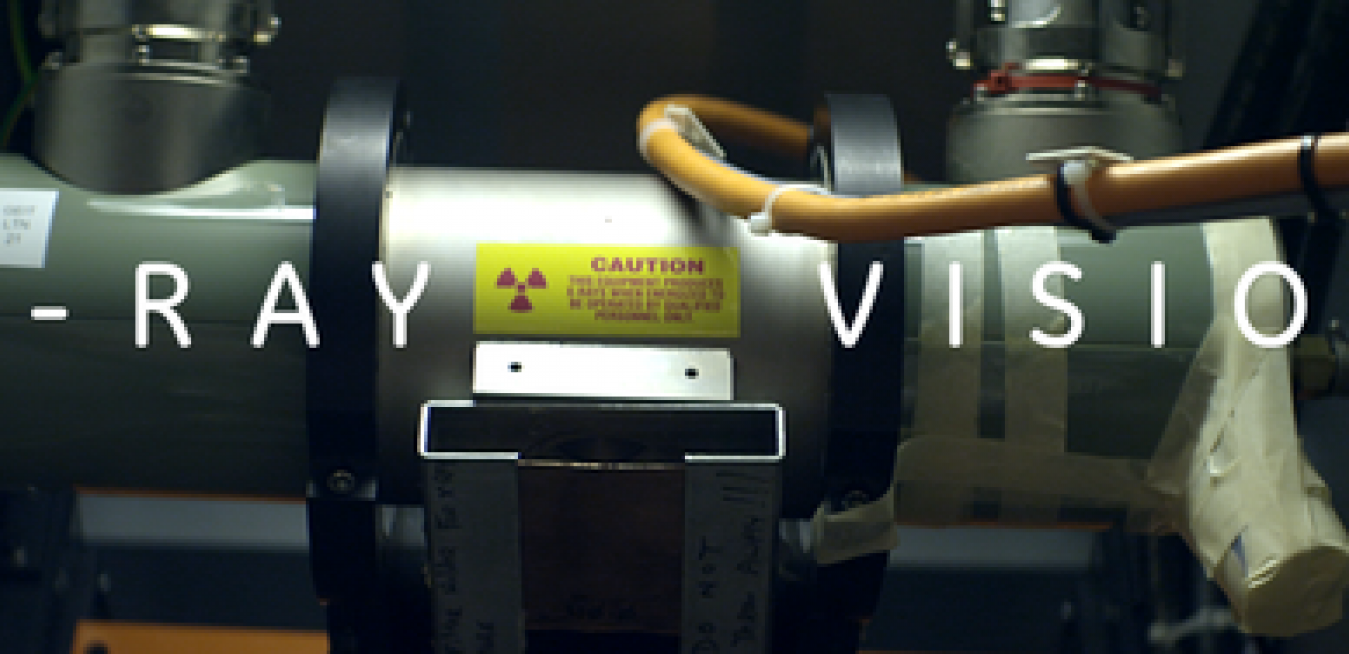
The Doctor Will Sea You Now: Pipeline Docs Are Testing Medical Imaging Deep in the Ocean
What’s the future of checking up on a pipeline miles below the surface of the sea? Turns out, it might be simply calling a doctor.
Just as radiologists use X-rays to look for broken bones inside the body, engineers are exploring the use of similar technology to see if it can spot microscopic cracks and corrosion in underwater pipelines.

The Simple Goals of Complex Systems: Nobel Laureate James E. Rothman Talks About Nanomachines, Cutting Through the Fog, Personalized Medicine and the Benefits of Becoming Fish Wrap
On October 7, biologist James E. Rothman received the 2013 Nobel Prize in Physiology and Medicine together with colleagues Randy W. Schekman and Thomas C. Südhof. Rothman is a professor of biomedical sciences at Yale. Over the last decade he has served as a senior advisor to GE Global Research in Niskayuna, NY. He is also a former chief scientist at GE Healthcare. GE Reports managing editor Tomas Kellner talked to Rothman last week about his discovery, innovation, and GE.
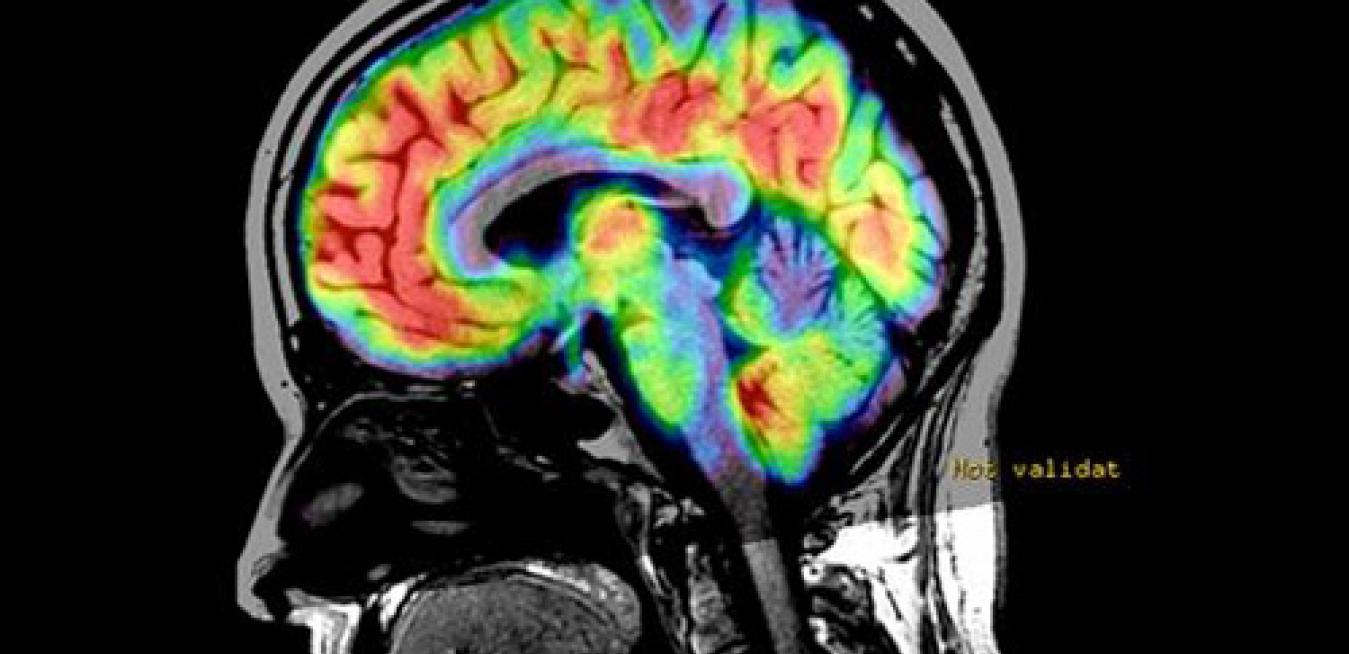
Curing By Numbers: Taking Cloud Computing to a New Level
The U.S. spends nearly a fifth of its GDP on healthcare, more than any other developed nation. Chronic disease, aging population, childhood obesity and other causes put the system under severe pressure and threaten America’s ability to compete on global markets.
Healthcare
Great Lakes Mystery: Wreck Hunter Hopes GE CT Scanner Can Identify 300-Year-Old Ship
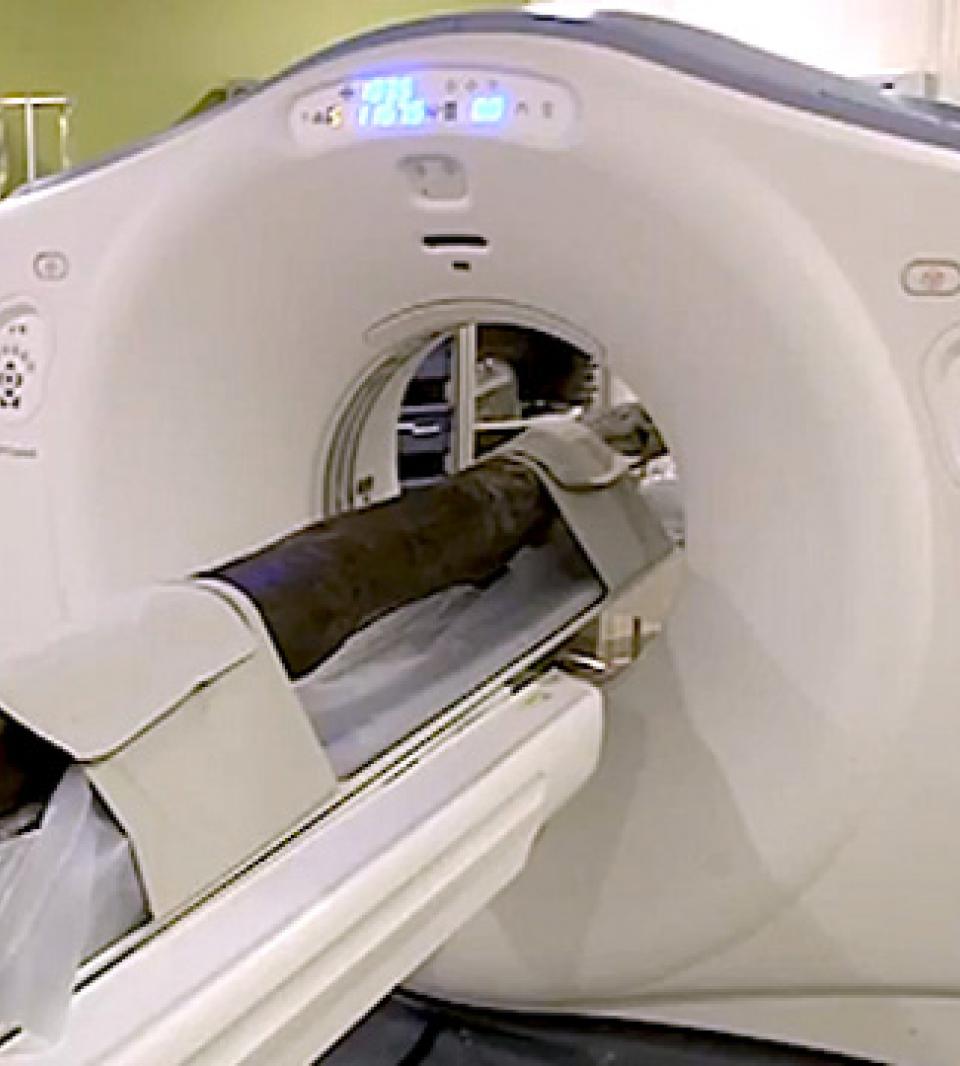
It was a good day for sailing on Sept. 18, 1679, when the French ship Le Griffon left an island harbor in Lake Michigan’s Green Bay. A light wind blew from the west, perfect conditions for the vessel’s voyage to Niagara Falls to pick up supplies.
But good weather in the morning, as any visitor to the Great Lakes knows, can turn foul before breakfast ends. A storm came up on the water the day after the 45-ton, three-masted ship set sail. Neither it nor its crew of six was ever seen again.
Doctor visits tend to be quiet affairs, unless an MRI exam, or a root canal, is on the agenda. An MR scanner can generate noise in excess of 110 decibels, enough to rival a rock concert. There is a good reason why this happens. “An MRI scanner is like a huge version of a speaker in your home,” says engineer Bryan Mock, who manages GE Healthcare’s MRI products. “They both have magnets inside and a coil of wire that carries electric current,” Mock says.