

- Acquisition highlights GE Vernova’s commitment to invest strategically in technologies and talent that help accelerate the sustainable energy grid
- Greenbird’s utility-focused technology and data integration experts will expand the capabilities of the company’s GridOS® software portfolio, allowing grid operators to more easily connect systems and integrate data at scale
- Reducing the complexity of big data integration for utilities creates more opportunities for AI-driven grid automation and enables them to
For media inquiries, please contact:
Rachael Van Reen
Director, External Communications, Digital
GE Vernova
+1 678 896 6754
[email protected]
business unit
tags

decarbonization
No Silver Bullets: GE Vernova’s Great Britain Study Shows Net Zero Can Be Achieved If Government Acts Fast
About three years from now, some 80 miles off the coast of Yorkshire, England, the world’s biggest wind farm is scheduled to begin operation. The facility, called Dogger Bank — which will be powered by GE Vernova’s Haliade-X 14-megawatt (MW) wind turbines — is expected to generate 3.6 gigawatts (GW) of electricity, an amount equivalent to that needed to power 6 million homes in the U.K.
future of energy
GE Vernova has Acquired Greenbird Integration Technology AS to Help Manage Tomorrow’s Power Grid
If you’re a regular user of electricity, you’re familiar with this scenario: A thunderstorm booms, lightning streaks across the sky, and the room suddenly goes dark. Usually, the electricity whirs back on within a couple of seconds. But if the storm downed a utility pole, it could be hours; if it took out a substation, you’d better stock up on candles and shelf-stable provisions.
As climate change breeds harder rains and stronger winds, we can expect more frequent, and longer, power outages. But what if utilities could prepare in advance?

Earth Day
A World of Good: Six GE Innovations That Are About to Change Everything
Building a world that works: This is the motivating principle behind the work that’s done at GE all across the planet. As we celebrate Earth Day, GE Reports shines a spotlight on a half dozen of its most impactful breakthrough technologies that are helping to usher in a more sustainable future — and some of the dynamic people leading these efforts every day.

Grid
The Electrification Imperative: How GE Vernova Is Helping to Make the Grid Safer and More Reliable
Electrical power systems, better known as the grid, have largely worked the same way for more than 100 years. The vast network of wires, switches, transformers, and other technologies were designed for a one-way power flow, moving electrons from the point of generation to the point of consumption. Today, rapid changes are putting tremendous pressure on the grid. Electricity is no longer flowing in one direction only. You might think of it as a free-for-all — from the intermittent flows of big wind and solar projects to rooftop solar panels to an EV in the driveway.
grid software
Orchestrating Electrons: GE’s GridOS Is Poised to Help Utilities Navigate a Brave New Grid
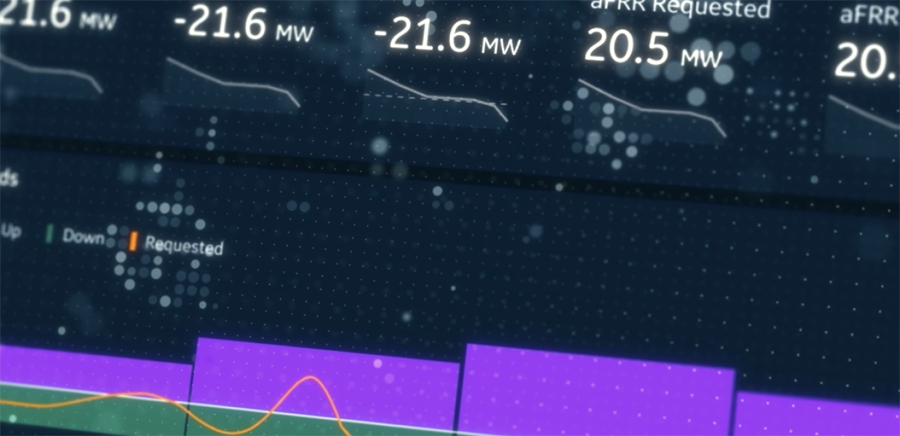
Power-grid management in the old days was a simpler affair. Big generators pumped out electricity, and operators kept surpluses in reserve, meeting somewhat predictable demand fluctuations. Today’s grid is a radical contrast, a kind of free-for-all as new and more renewable electrons come on board — from the intermittent flows of big wind and solar, to millions of homeowners with solar on the roof, a battery in the basement, and an EV in the driveway. Because of this, electricity is no longer flowing in one direction only.