RSNA
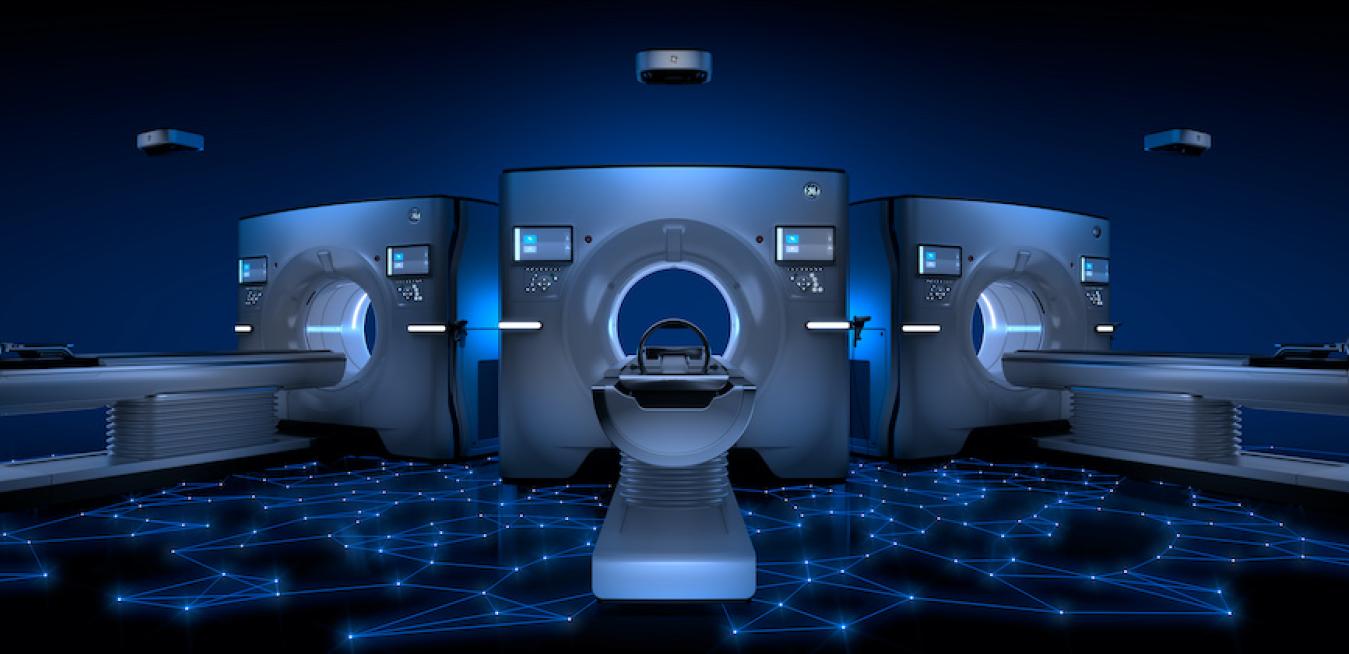
The Future of Imaging Is Bright: GE HealthCare Innovation Lights Up RSNA



As the healthcare industry feels the pressure of burgeoning costs and staff shortages, rapid advances in technology are playing a vital role in delivering efficient clinical care, from discovery and diagnosis to targeted treatment planning.
While the pandemic has left many hospitals struggling to meet backlogged demand, the benefits of the acceleration it prompted in digital healthcare and cutting-edge medical imaging technology are here to stay.
Medical Imaging
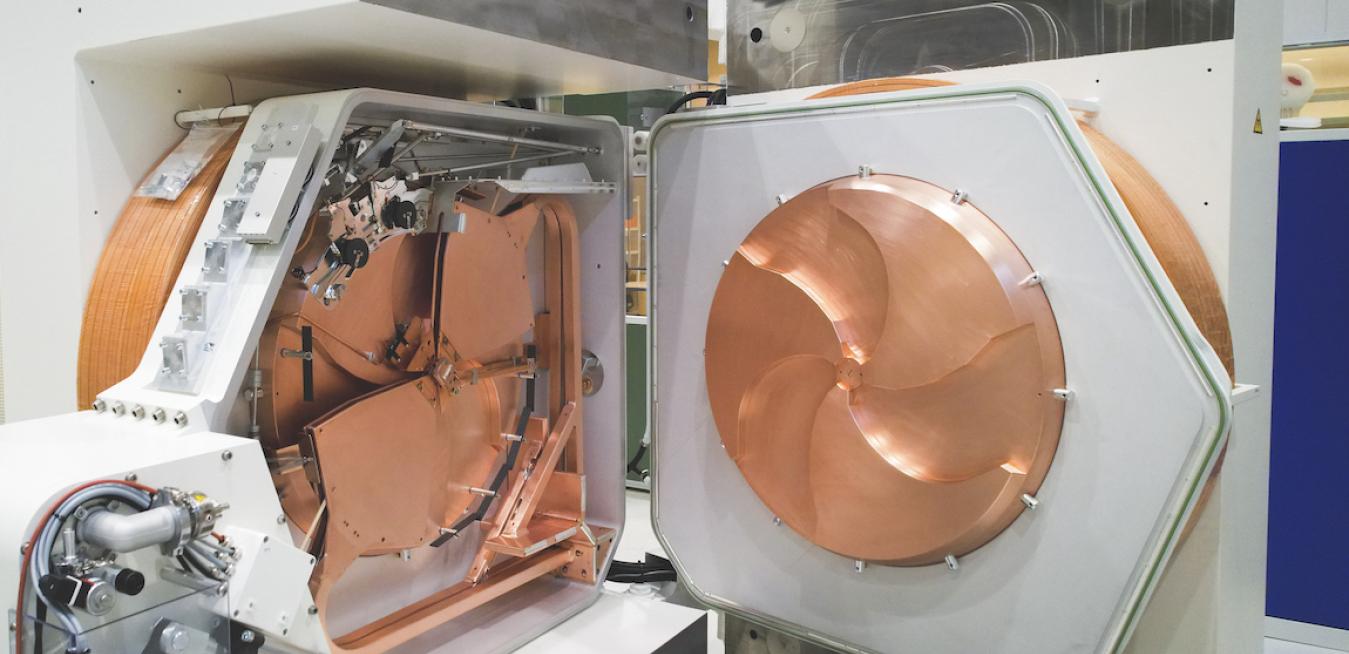
The Genuine Particle: These Cyclotrons Generate Imaging Tracers On-site to Boost Precision Medicine
Every morning, a charter jet takes off from Helsinki, Finland, bound for Örebro, Sweden. Its cargo: radiotracers. These radioactive compounds are essential for molecular imaging scans, which reveal metabolic processes inside cells. Radiologist and nuclear medicine physician Håkan Geijer and his colleagues at Örebro University Hospital depend on positron emission tomography (PET) scans to diagnose disease — like cancer — and, perhaps most critically, identify the best course of treatment.