
Future of Flight
Flight Path: A Look Back at GE Aerospace’s Progress to Reduce Emissions in 2023



Two years ago, the Air Transport Action Group (ATAG), of which GE Aerospace is a member, set an ambitious goal of achieving net zero carbon emissions by 2050. To gauge the progress the industry has made toward that target, GE Aerospace this summer commissioned a survey of 325 aviation decision makers in the U.S., the U.K., China, India, the UAE, and France.
hybrid electric flight
A Fresh Look: GE Aerospace Debuts New Design for Its Hybrid Electric Aircraft Test Bed
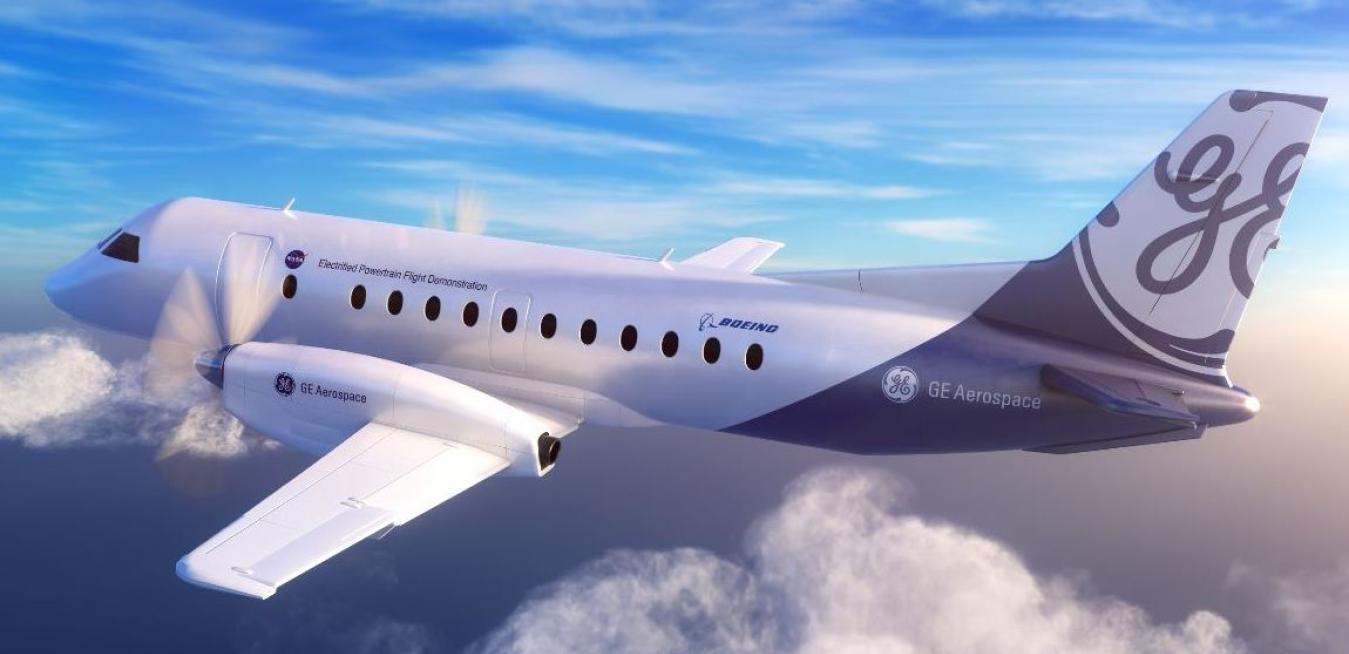
This week at the Oshkosh air show in Wisconsin, the world’s largest air show, GE Aerospace debuted its new livery design for the aircraft test bed for NASA’s Electrified Powertrain Flight Demonstration (EPFD) project, a landmark effort to help prove the feasibility of hybrid electric flight for commercial aviation.
For the hybrid electric test flights, GE Aerospace is partnering with Boeing and its subsidiary Aurora Flight Sciences using a modified Saab 340B aircraft powered by GE’s CT7 engines.
Paris Air Show
How RISE Arose: The Story Behind Decades of Innovations That Bring CFM to a Pivotal Moment

In 1941, the United States government asked GE to develop the first American jet engine. Allied defense, industrial collaboration, technological advancement, and economic growth were at stake. GE delivered the very next year.
Now, more than 80 years later, GE Aerospace finds itself at the cusp of another era-defining moment. With climate change impacting communities and economies around the world, the aerospace industry is in the midst of what feels to some like a seismic shift.
Farnborough Airshow
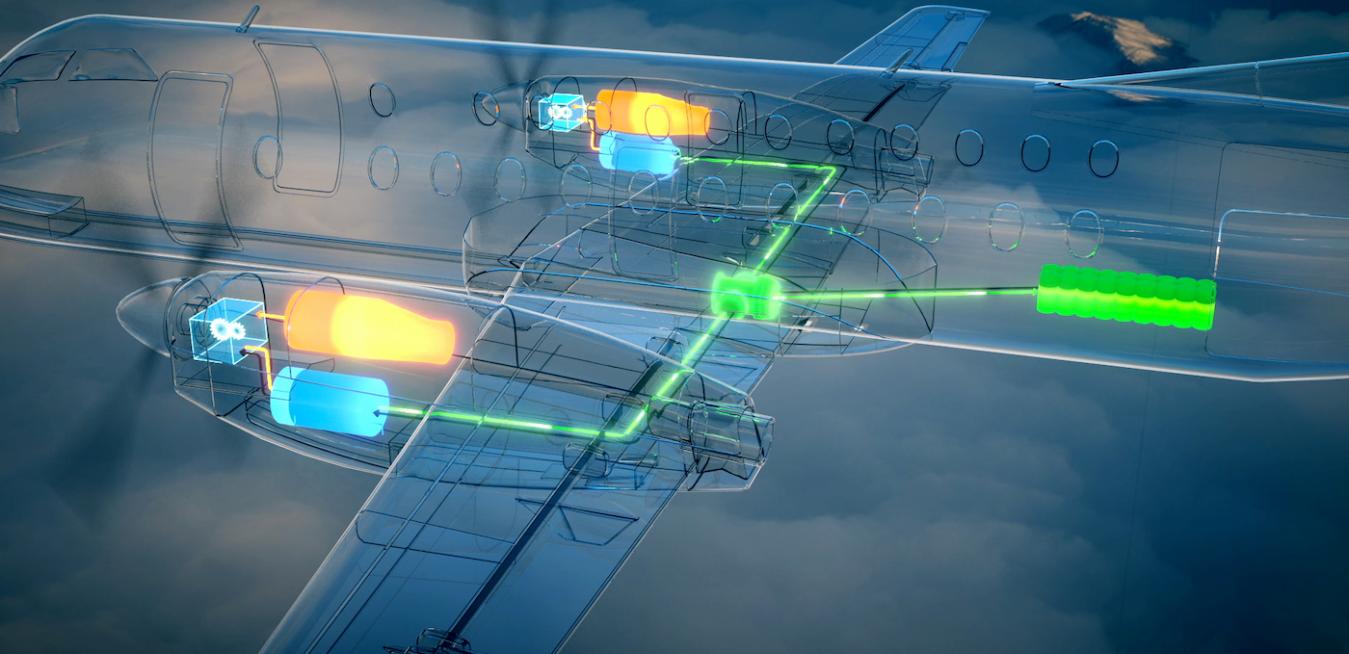
High Five: GE, NASA Test Hybrid Electric System For Planes At High-Altitude Conditions For First Time
Electric cars have become common, but building a commercial electric plane is a different story. Just ask Mohamed Ali, vice president for engineering at GE Aerospace. “Electric motors behave very differently at altitudes above 10,000 feet,” he says. “They are susceptible to plasma arcing, for example, and much more difficult to manage.”
Farnborough Airshow
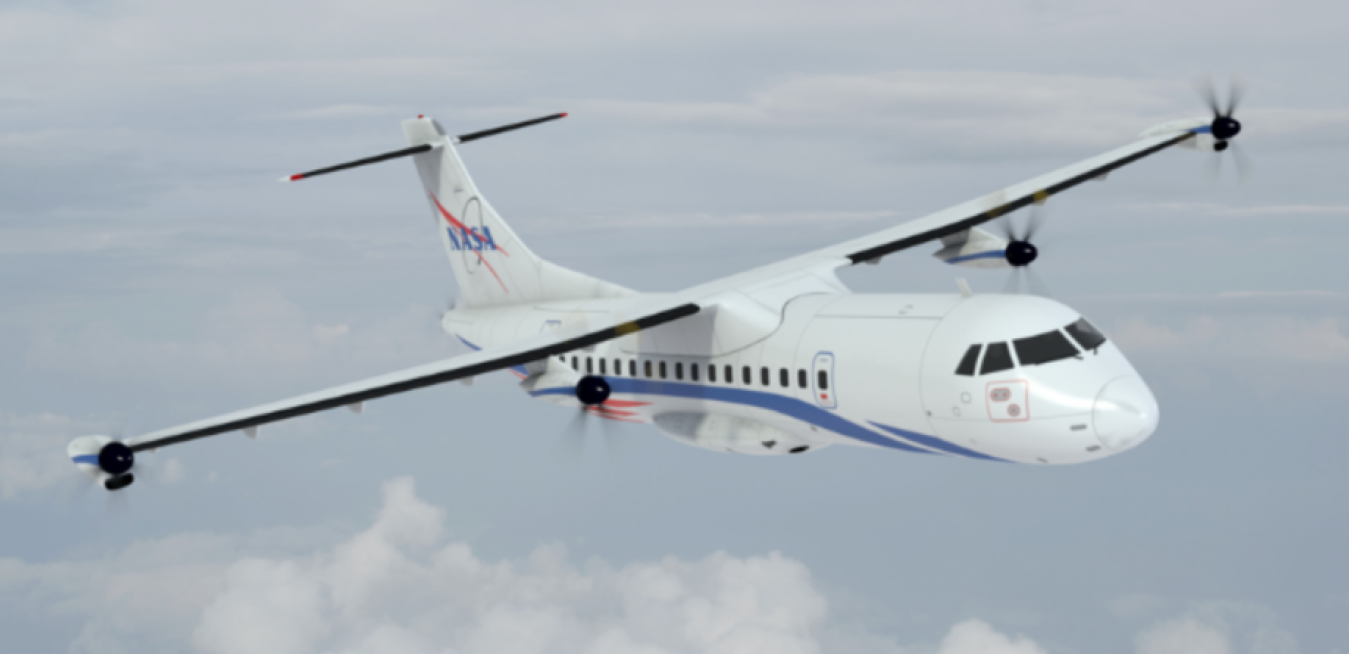
NASA Touches Down At Farnborough: Agency To Spotlight Work In Sustainable Aviation And Partnership With GE
Images sent back from NASA’s James Webb Space Telescope last week not only stunned the world visually; they changed the way humans think about the universe. But not every paradigm-shifting NASA project takes place so far away. Much closer to home, the agency is doing groundbreaking and essential work on more sustainable aviation, working with partners like GE to develop quieter, safer and more efficient technologies that promise to change the future of commercial air travel.