Medical Imaging
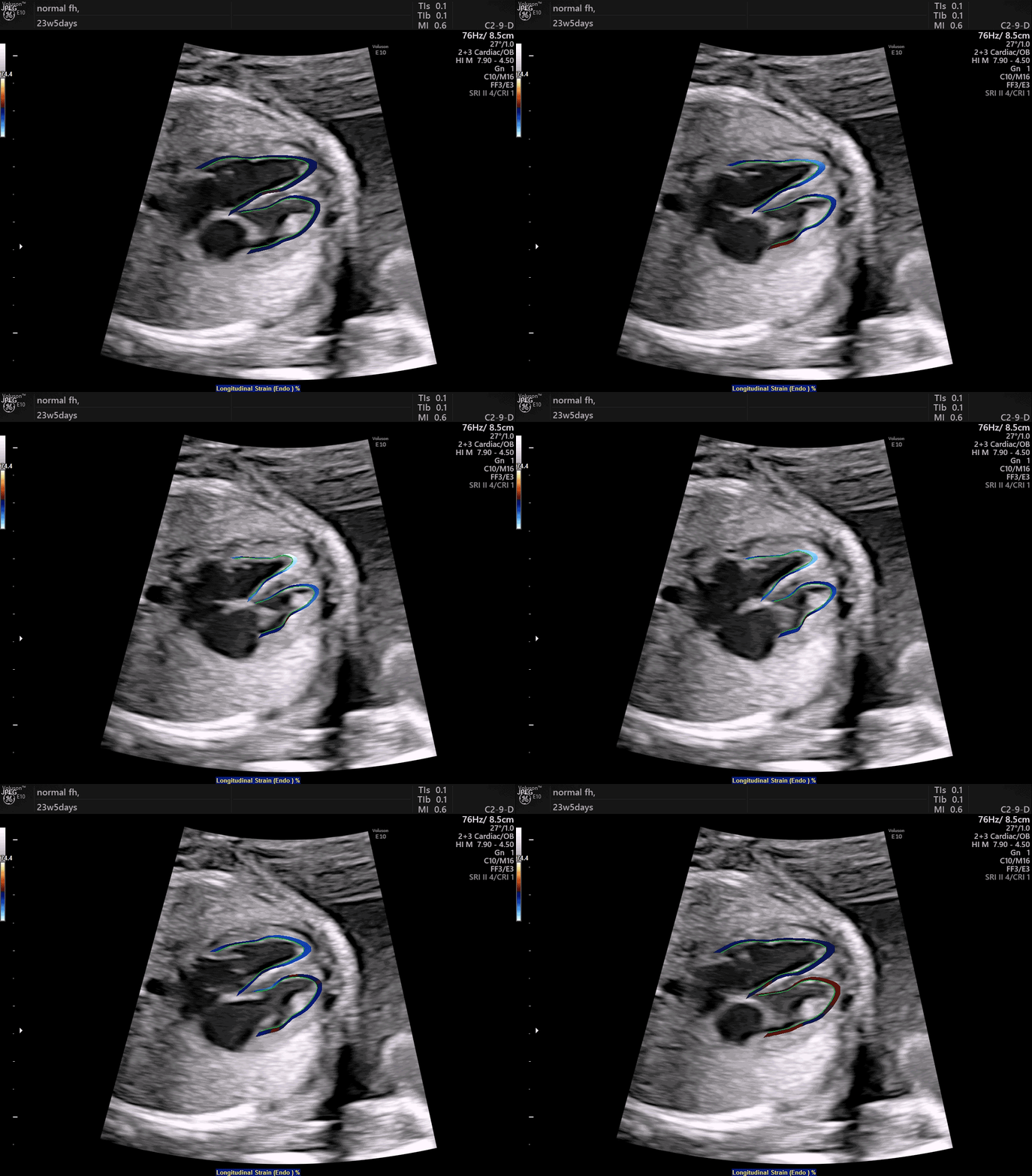
Examining the Fetal Heart: This Software Is Helping Find Once-Hidden Features Of Congenital Heart Defects



Even for specialists, detecting and treating congenital heart defects is never easy. These defects are relatively rare and often give no warning signs. Diagnosing them during pregnancy is especially difficult. At 18 weeks, for example, you’re dealing with a developing organ that can be the size of an olive and beating between 120 and 160 times per minute.
Healthcare
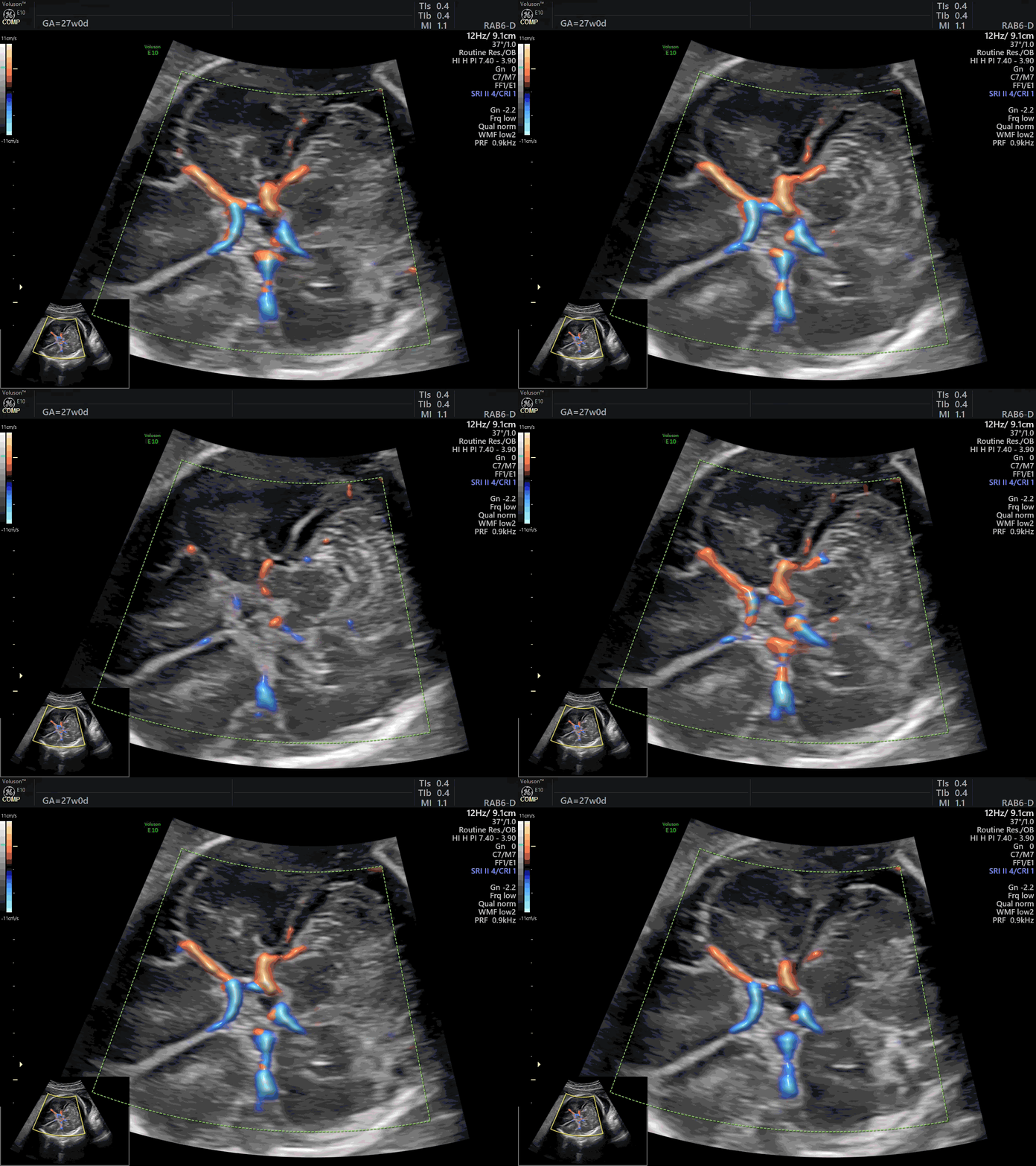
Watch This: A Twist On The Doppler Effect Opens New Vistas On Tiny Hearts
Arzt performs heart surgery on unborn babies, inserting a needle into the mother’s womb and carefully pushing it through a tiny valve in the fetus’ heart that’s just 2 millimeters in diameter, or about as wide as a pinhead. Then he perforates the valve. “If I go 1 or 2 millimeters too far, I tear off the vessel and everything is over,” he says from his office at Kepler University Hospital in Austria, where as head of prenatal care he has overseen more than 140 such procedures.
Medical Imaging
Little Wonders: Neonatal Surgeon Captures Stunning Images With 4D Ultrasound

medicine
Sound And Vision: Healing This Little Boy’s Broken Heart Required More Than Love
Erica Endicott was almost halfway through her first pregnancy and she was feeling great. When the date rolled around for the second trimester ultrasound — a routine test doctors use to check that everything is going according to plan — she and her husband, Nate, were excited. This is the test when parents get to see their baby’s face for the first time, walking away with incredible images they will treasure for the rest of their life.