


- Highlights $4 MM Advanced Research Projects Agency-Energy (ARPA-E) ATLANTIS project during ARPA-E’s Virtual Innovation Summit
- Project involves the design and development of optimized controls that could enable future offshore turbines 35% lower in mass compared to current designs for floating offshore turbines
- Floating Turbines would open up possibility for offshore installations at depths beyond >60m
- Would dramatically expand potential of US offshore wind
For media inquiries, please contact:
Todd Alhart
Director, Innovation Communications
GE Aerospace
+1 518 338 5880
[email protected]
business unit
tags
Offshore Wind
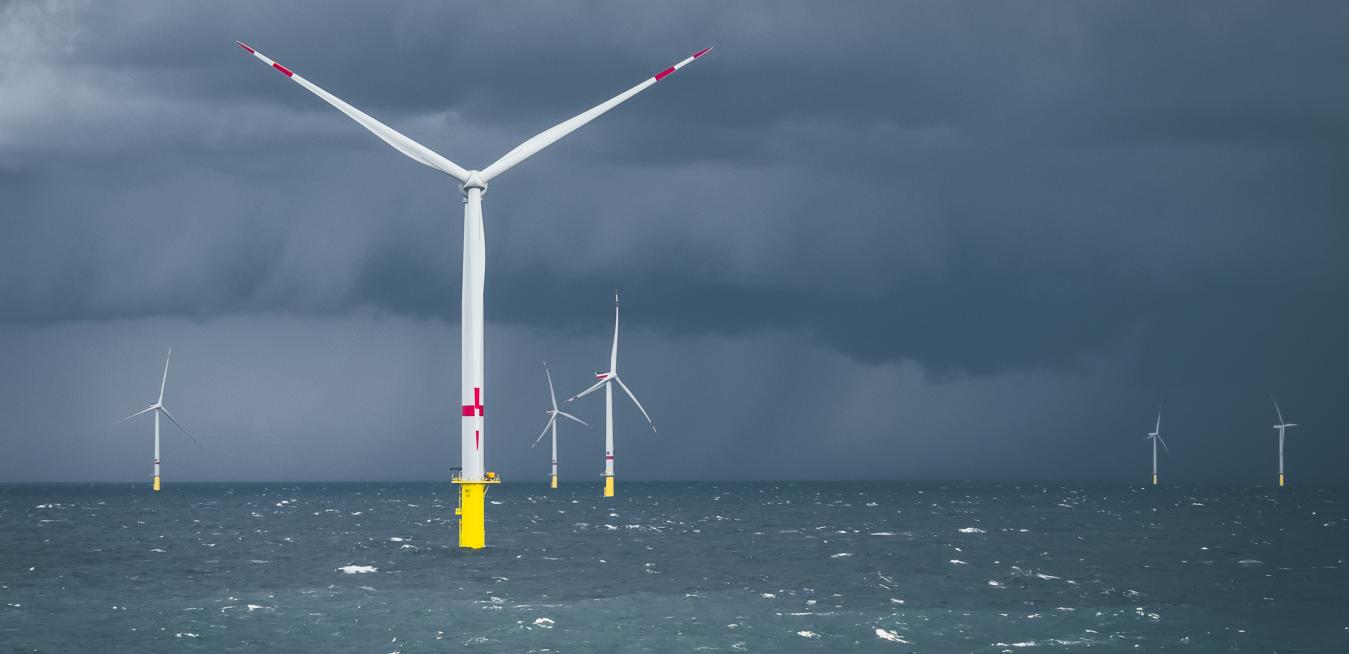
Sea Change: GE Installs The Last Turbine At One Of Germany’s Largest Offshore Wind Farms
Renewables
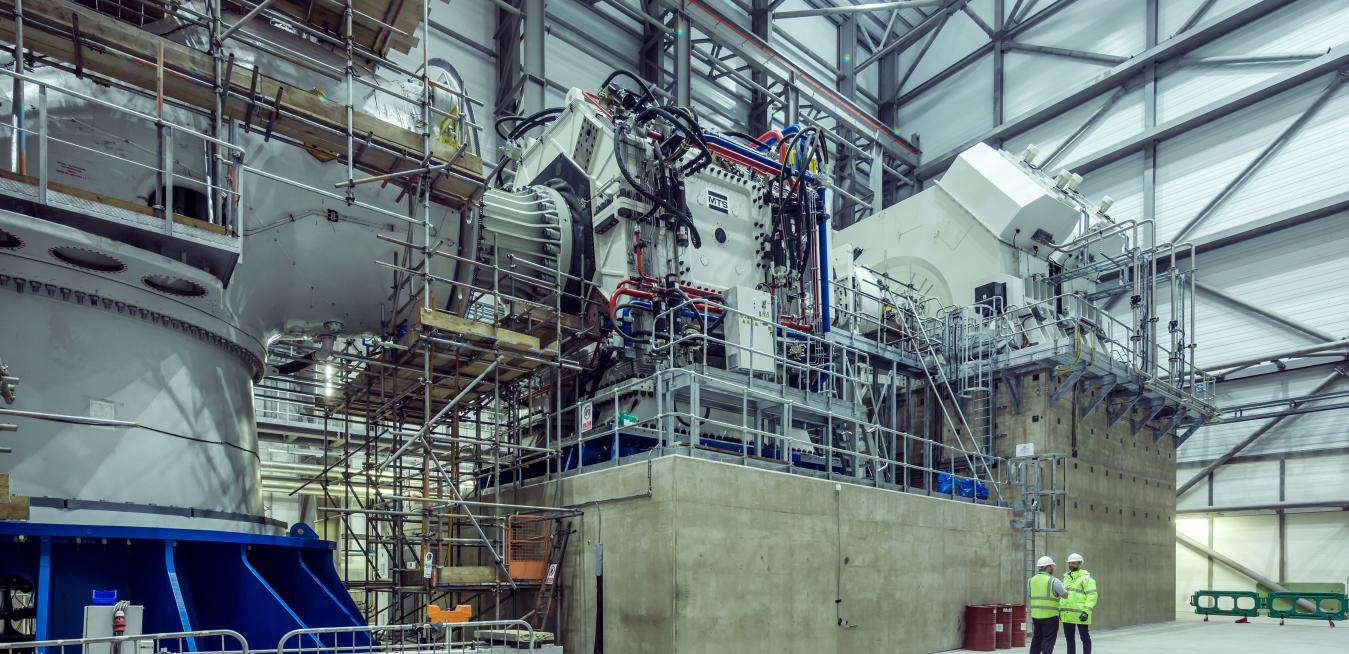
Proving Ground: This U.K. Facility Is Preparing To Put The World’s Largest Wind Turbine To Test
Software
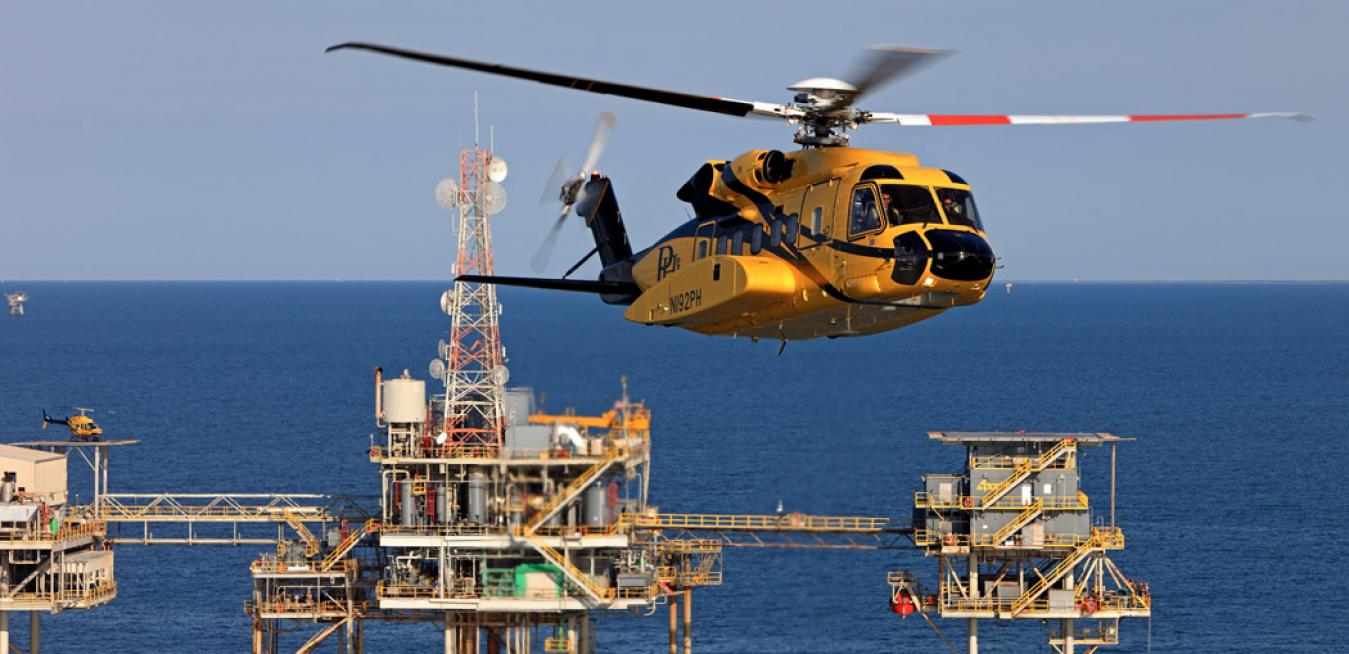
Sea Change: This Software Is Making Offshore Choppers Fly Safer
Innovation
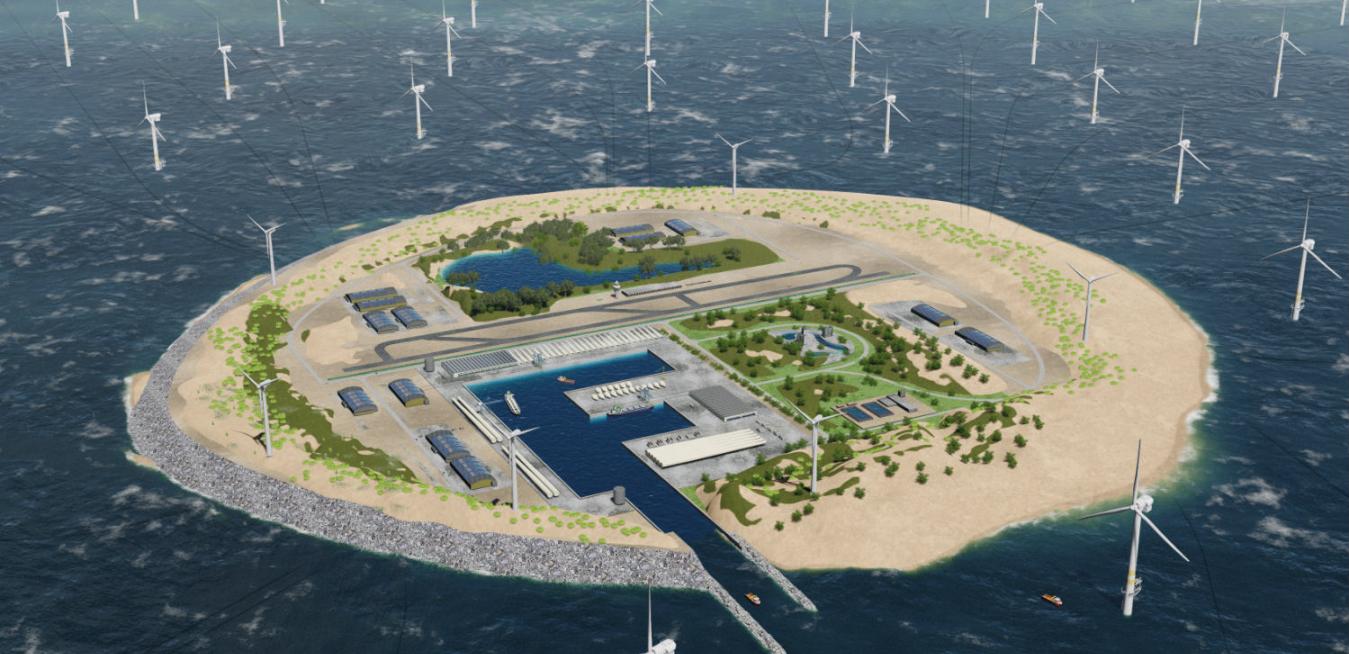
5 Coolest Things on Earth This Week
A man-made power island in the middle of the North Sea that could supply electricity for 80 million people, a robot that could read your mind and spot you noticing it made a mistake, and a DNA-based computer that grows as it computes? Go figure!
This Is What We Call A Power Island!
[embed width="800"]https://www.youtube.com/watch?v=NI0sbiCNXtA&feature=youtu.be[/embed]
Electrification Software Energy
Davy Jones’ Software: Making Subsea Oil More Productive Through Data
Energy
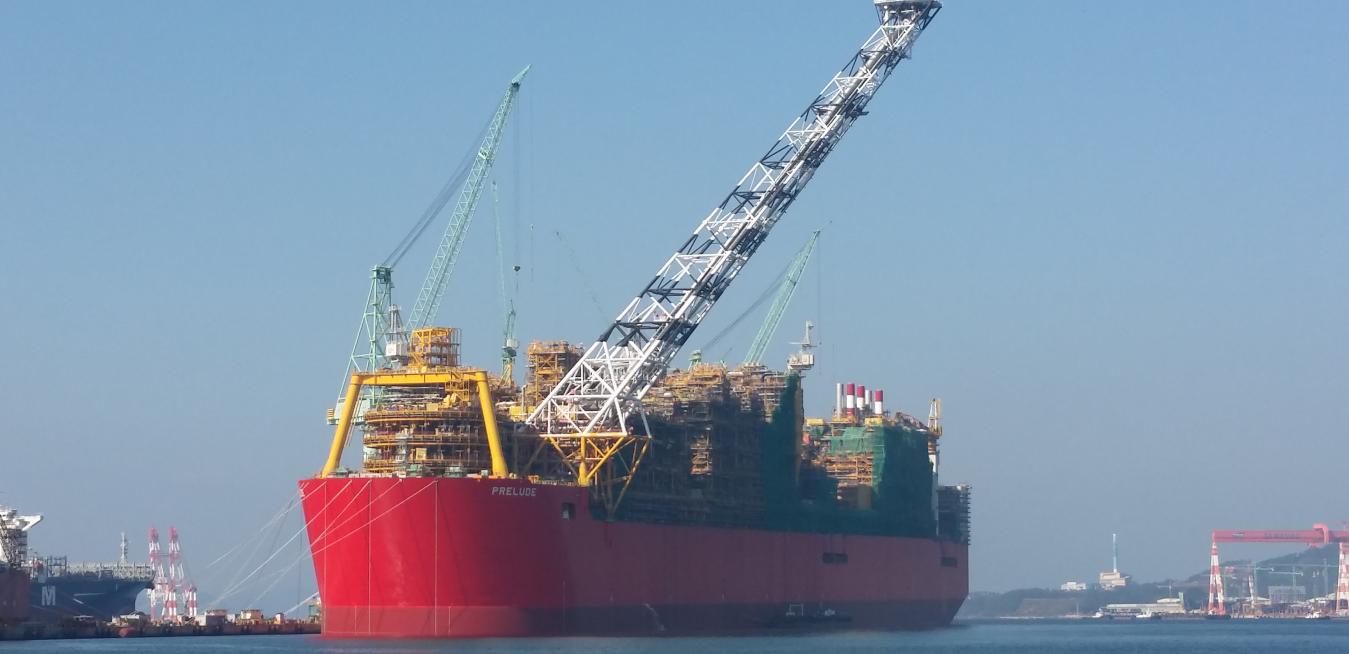
This Is What We Call A Sea Change! Shell's Floating Giant Will Revolutionize The Natural Gas Industry
Dubbed Prelude after the gas field where it will operate off the coast of northwestern Australia, the massive facility is 488 meters long and 74 meters wide. Its footprint is larger than an average New York City block, or, if you prefer sports, large enough for four soccer fields. .
Electrification Software
Keep Calm And Carry On: This Software Code Can Protect Subsea Rigs From Hurricanes
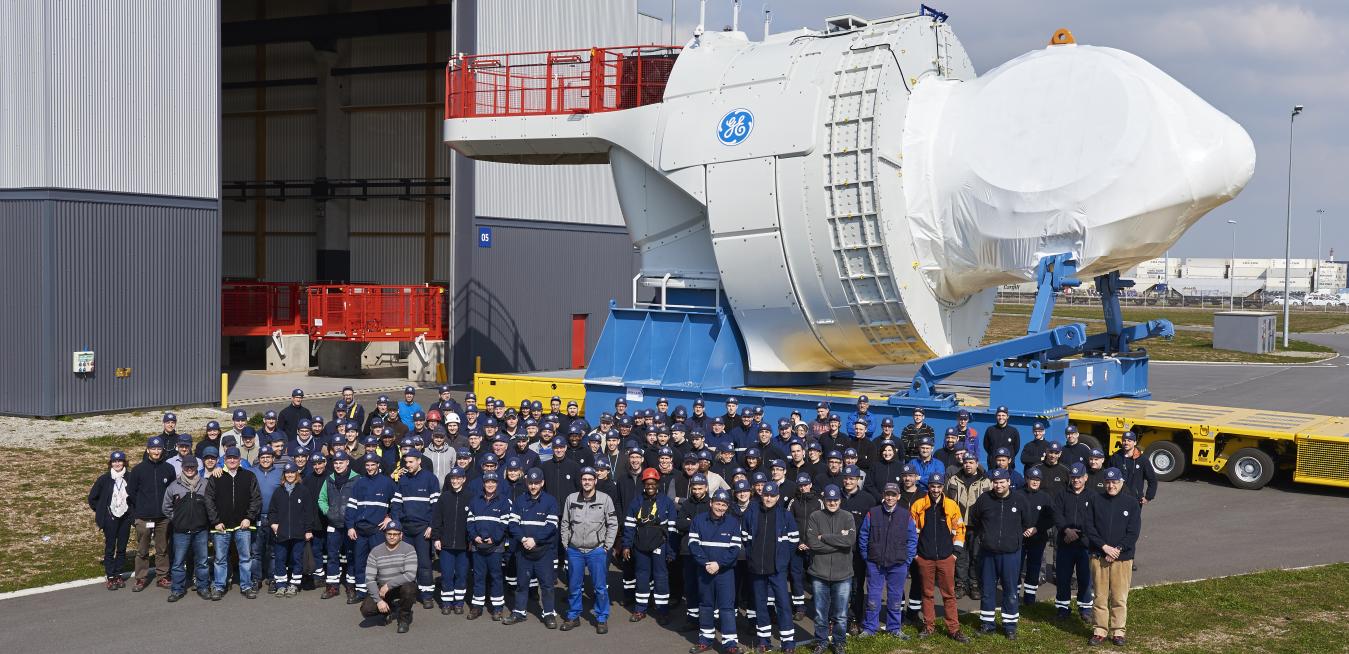
The Temple Of Turbine: One of These Wind Turbines Can Power 5,000 Homes
The world’s fastest and largest liners, including Normandie and Queen Mary 2, sprung from its dry docks. The port also serves as a transit hub for the fuselage and wings that make the double-decker Airbus A380, the world’s largest passenger aircraft.