
development
4 Ways To Turbocharge Developing Digital Economies



Only 15 percent of people in least developed countries have mobile broadband, as opposed to 90 percent of advanced country citizens. How can all nations and entrepreneurs take advantage of the digital economy? It will take an overhaul in public-private partnerships, writes Kati Suominen, founder and CEO of Nextrade Group.
Digitization and e-commerce are opening new opportunities for developing countries to promote entrepreneurship, job-creation and small businesses. However, the funding needs to haul developing countries over the digital chasms are gigantic.

trade
Let’s Upgrade NAFTA To Compete With The World

trade
How Free Trade Agreements Affect You, Even If They Don't Affect Your Country
In this increasingly connected world, the number of trade agreements is expanding globally, not contracting, despite political rhetoric. Evaluating current trade agreements, even those that don't involve where you live or directly do business, may uncover new international opportunities, writes Bill Ansley, vice president of UPS Supply Chain Solutions, Customs and Trade Compliance.
Software
How Blockchain Can Restore Trust In Trade
Transparent and efficient, blockchain could lift the lid on international supply chains.
trade
The End Of Globalization?
Intense debate at the World Economic Forum's annual meeting in Davos this month centered on the global economy and protectionism. Here's what some of the world's leaders had to say about the globalization, whether it's "working" and its future.
trade
Here’s What We Really Should Be Debating When It Comes To Trade
Of American micro and small businesses that sell on eBay, 97 percent export. Small online sellers are the new face of world trade. Export credit agencies must learn to support them, writes Kati Suominen, founder and chairwoman of the Trade Capital Fund.
trade
The Best Football Analogy for Global Business Doesn't Involve Touchdowns
Life lessons from sports: to succeed in a rapidly changing world economy, companies needs players adept at broken-field running. Trying to map out a long-term strategy through unpredictable global politics won't cut it, says John G. Rice, vice chairman of GE and president and CEO of GE Global Growth Organization.
trade
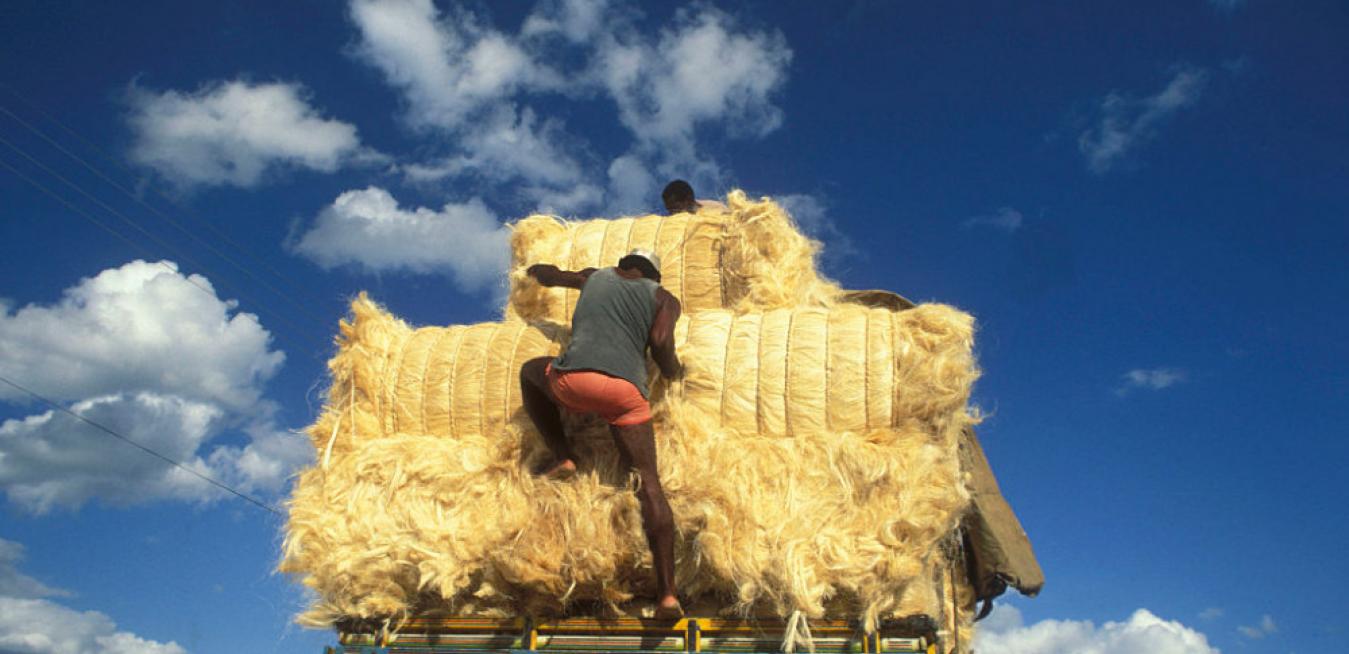
5 Ways To Make Global Trade Work For Developing Nations
The benefits of trade, such as jobs and income growth, won't see their full potential with stifling regulation. About 96 percent of world trade is affected by at least one regulation. Here are five things the international trade community must do to combat these "non-tariff measures" that disproportionately affect developing countries.
Africa
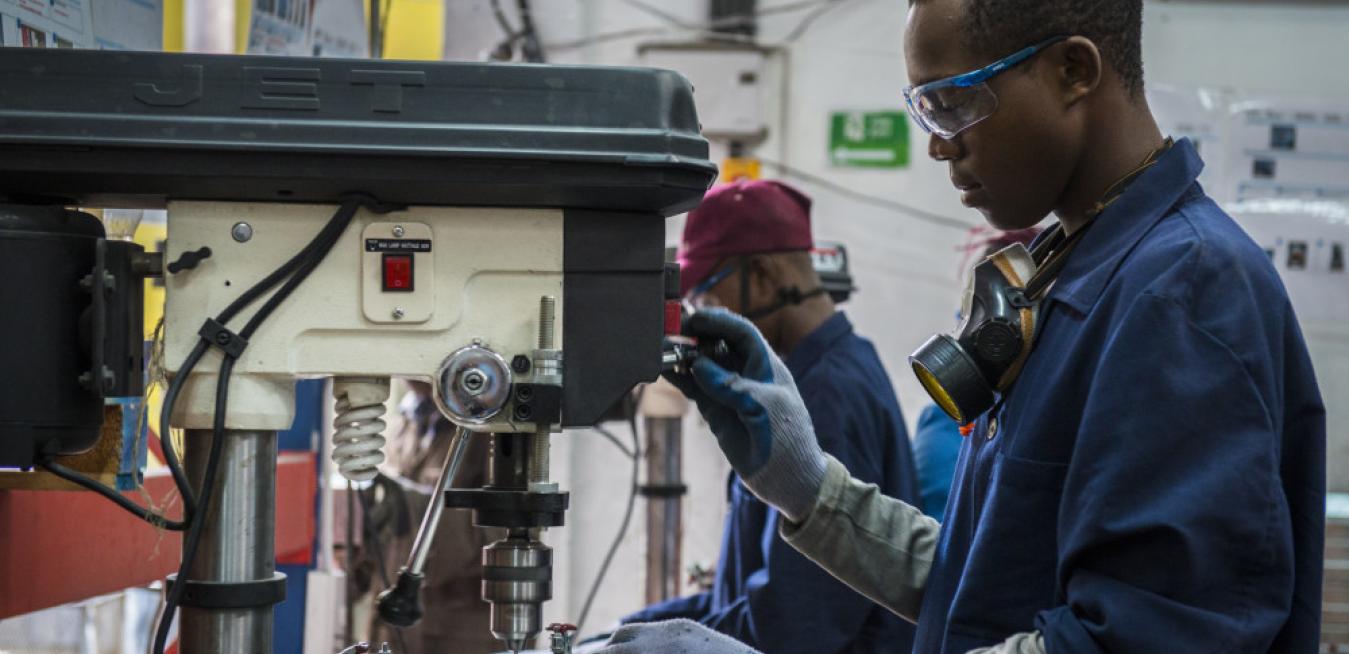
Supporting Trade, Not Aid, In Africa
The president spoke at the forum again this week in New York during the meeting of the U.N. General Assembly to celebrate the accomplishments of past two years.
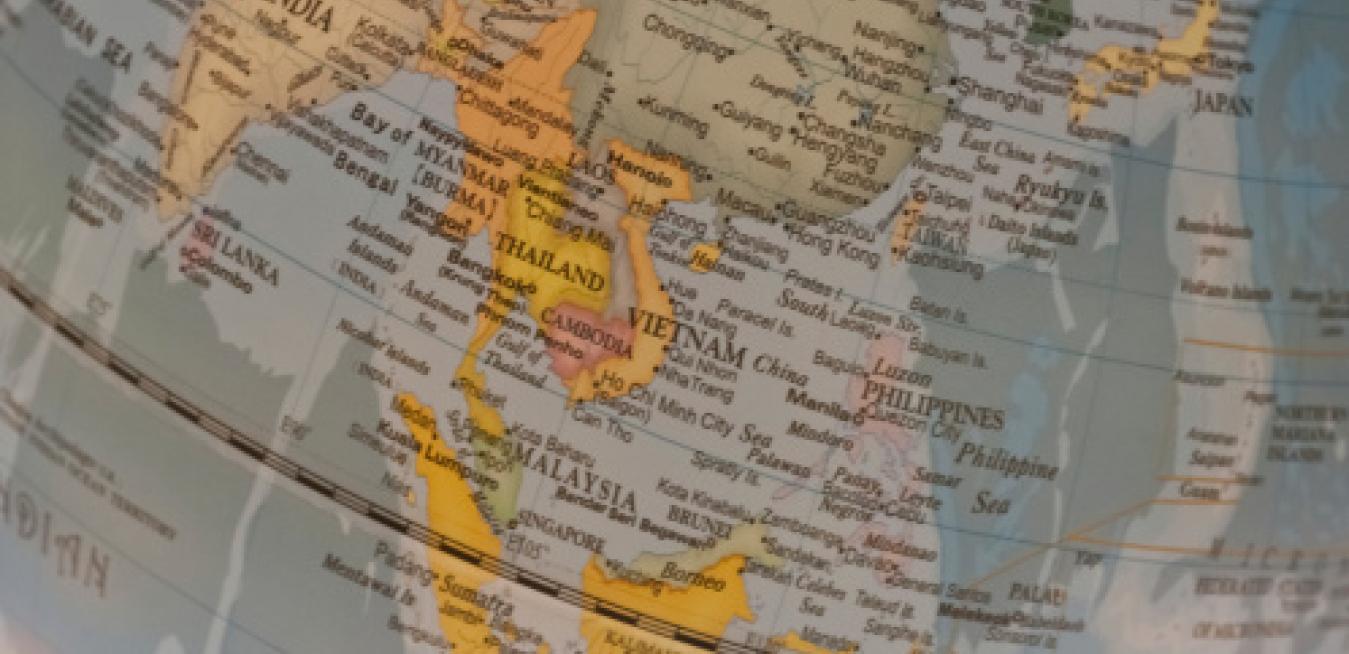
The Trans-Pacific Partnership Agreement: What? Why? And ASEAN.
The Trans-Pacific Partnership Agreement (TPPA) has been ten years in development and is so shrouded in the tightly wound cogs of national secrecy that it’s acquired an almost legendary aura of mystery.
The deal took a major step forward this week with the signing of a TPPA agreement in Atlanta, USA. But with the full terms yet to be revealed, what do we really know about the TPPA? And what does it mean for ASEAN?
What is it?