×

GE.com has been updated to serve our three go-forward companies.

Please visit these standalone sites for more information

GE Aerospace | GE Vernova | GE HealthCare 

header-image

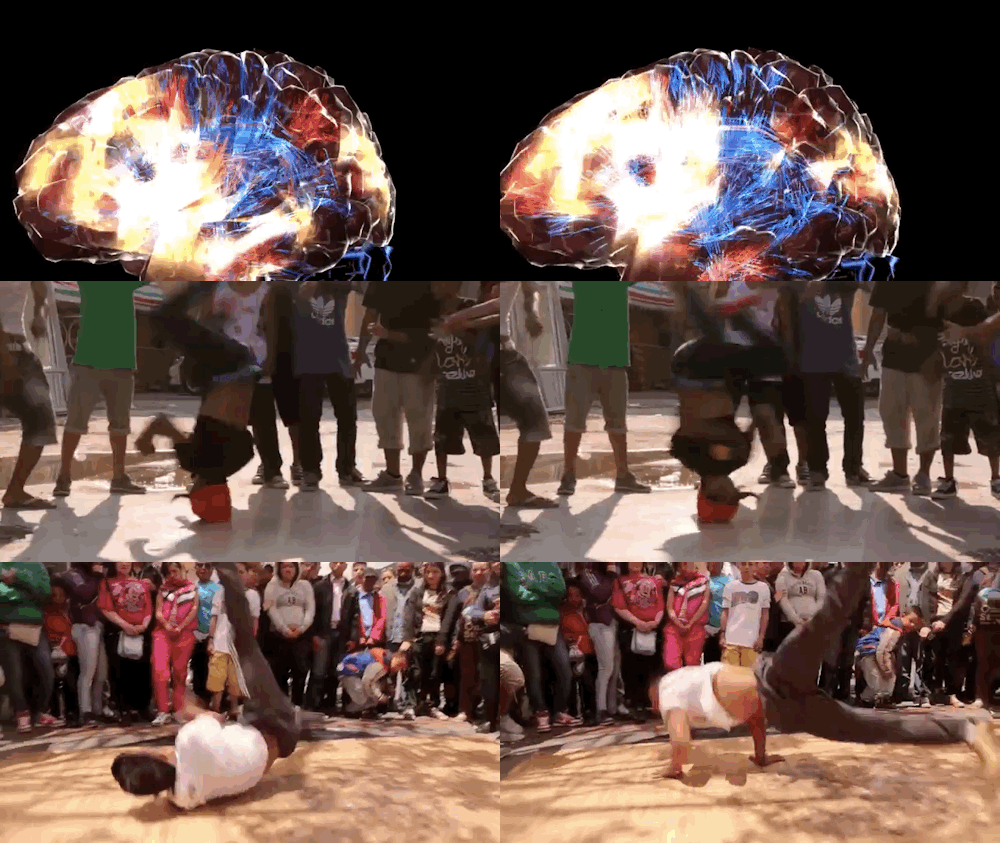
This is Your Brain on Rhythm: Where Freud, Nas, the Grateful Dead and Neuroscience Meet
December 22, 2014
header-image

Micro Implants Are Learning the Brain’s Language to Heal the Body

December 02, 2014

The mind has a language of its own, and Jeff Ashe is trying to figure out what exactly it is saying.
header-image
Perspectives

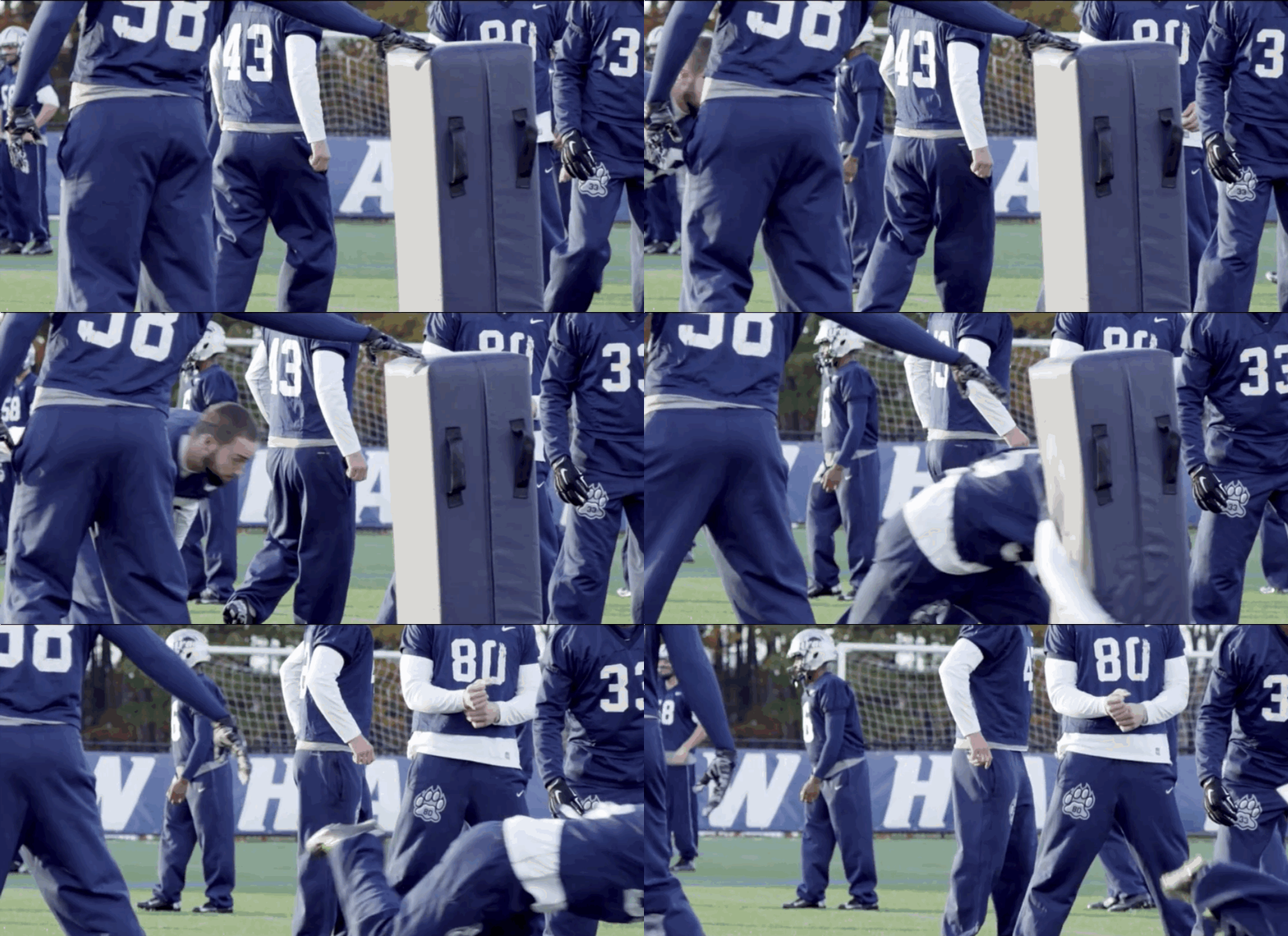
Tackling Brain Injuries — Q&A with the NFL’s Jeff Miller
Jeff Miller Nfl
November 20, 2014
Preventing brain injury is a team sport. That’s why the NFL has teamed up with GE and Under Armour to promote some of the most innovative thinking on protecting against and diagnosing concussions.
 
header-image

GE Scientists are Building a Wearable Brain Imaging Helmet

November 20, 2014

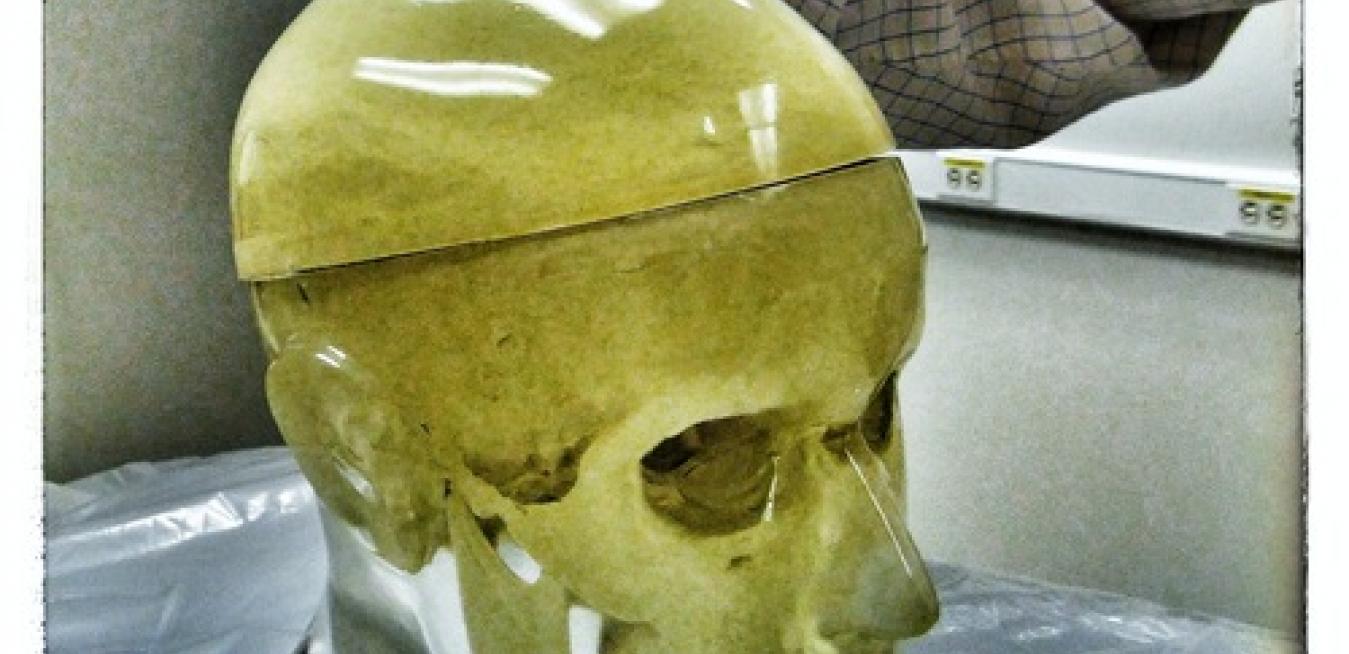
GE scientists are working on a wearable, high-resolution imaging “helmet” that would allow doctors to observe the brain on the cellular level. The portable device could also allow doctors to study motor activity in the brain, since patients will be able to move around as their brains are being imaged.
header-image

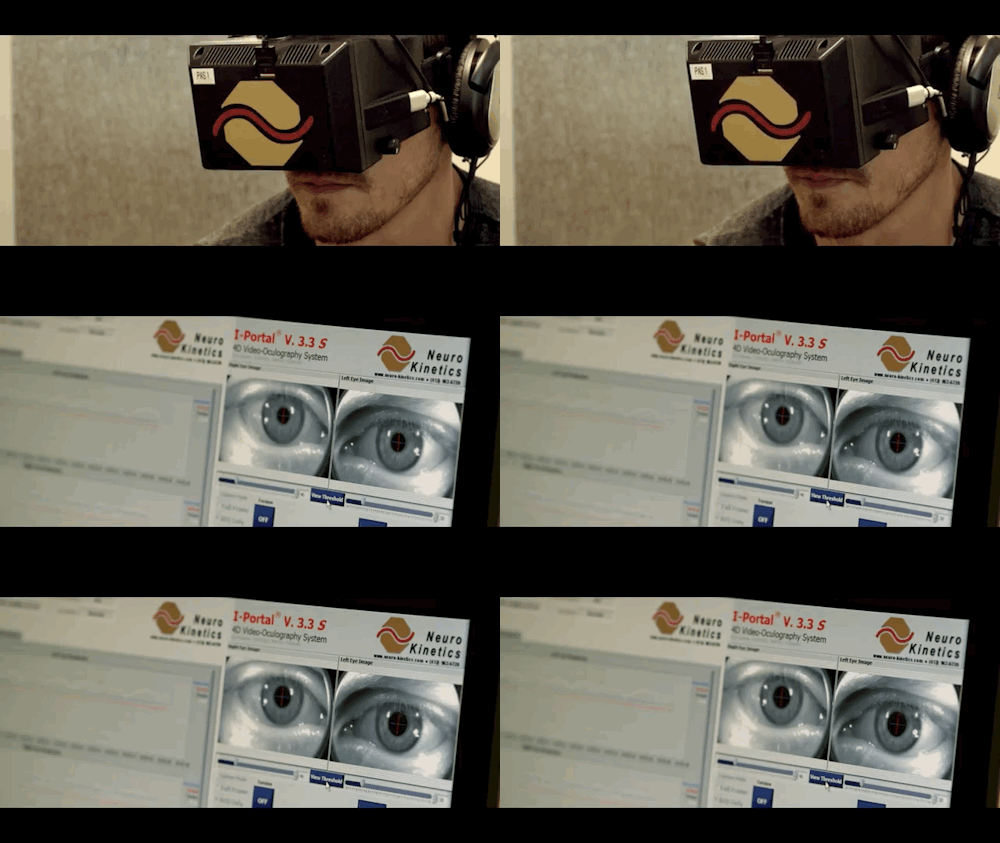
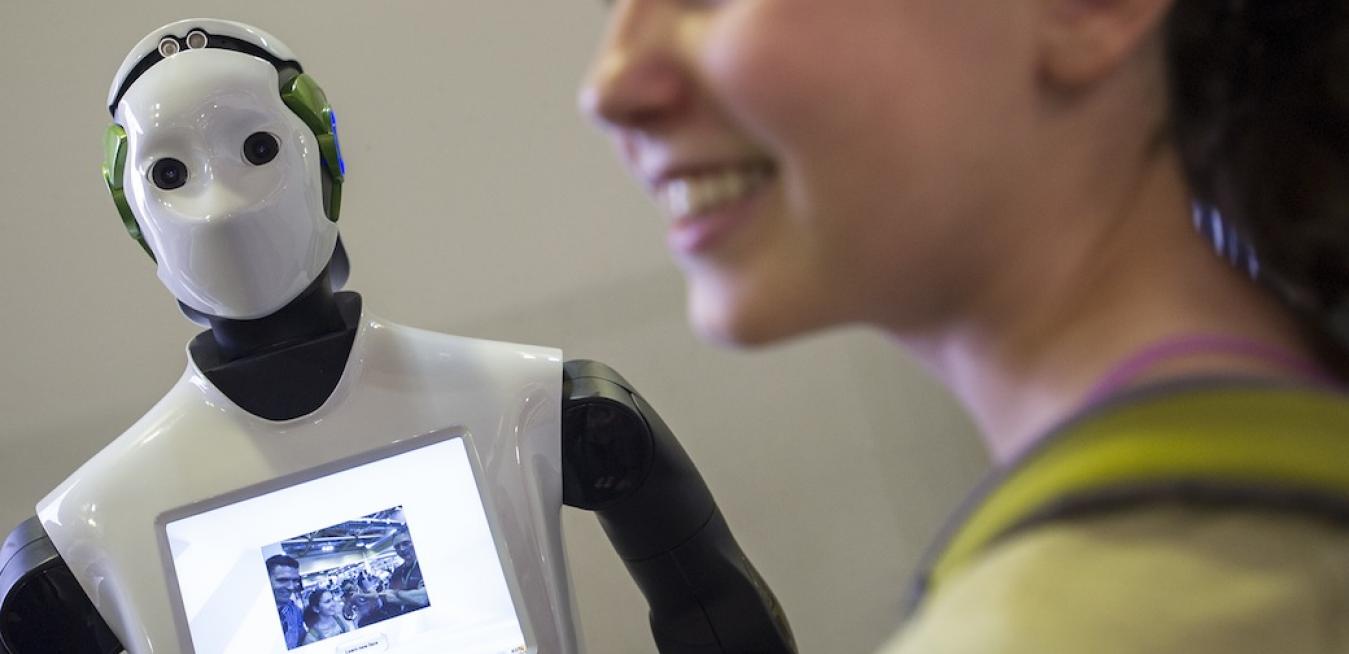
Head Health Challenge Winners Use Virtual Reality Goggles, 3D Printed "Microlattice" to Spot and Prevent Brain Injuries
November 18, 2014
Last spring, the National Football League, the sports performance brand Under Armour, and GE called on researchers, scientists and enthusiasts to find new tools for detecting concussions and protecting football players from traumatic brain injuries.
header-image

Brittany Singh: How Can We Stay Smarter Than Machines?
Brittany Singh B Educated
October 07, 2014
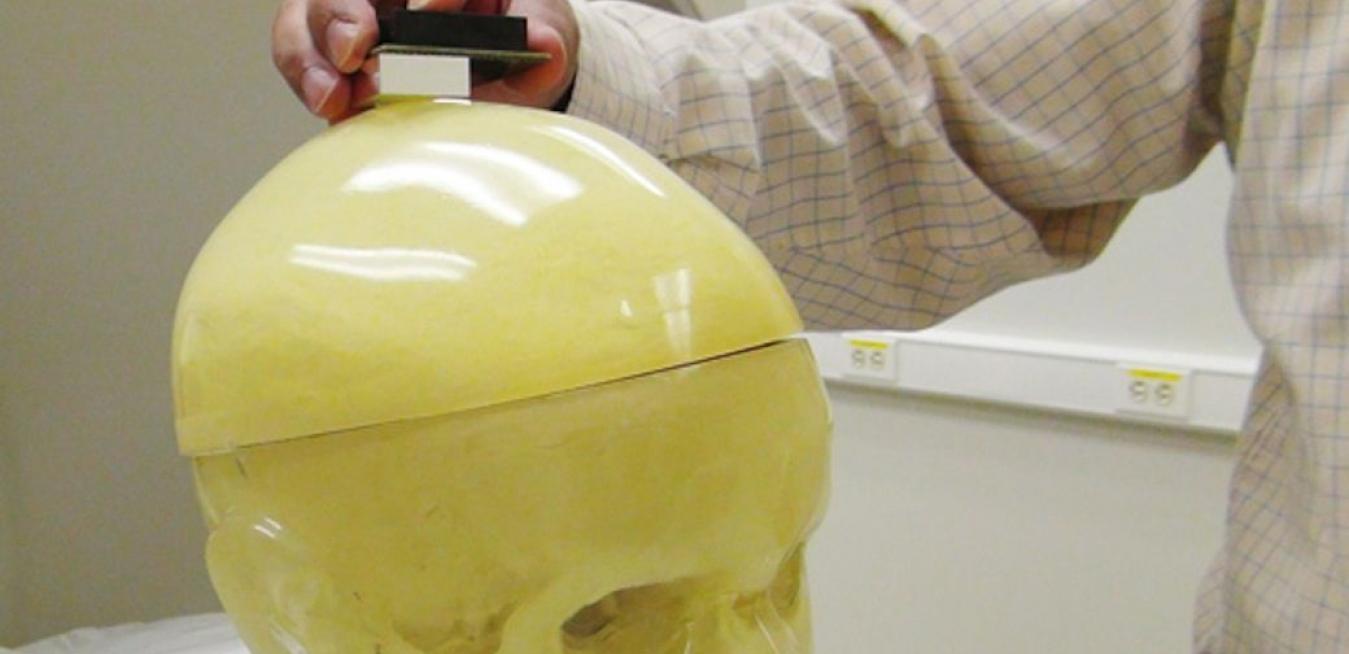
Artificial intelligence (AI) is the sum of many great human minds to apprehend the environment and make sound decisions to achieve success. To exist, AI needs to encapsulate three things: hardware, software and the input/output mechanisms that work together to enable the machine to perform intelligently. In essence, AI equips machines for divergent thinking, to inspire a wider scope of thinking and creativity.
 
header-image

Nadeem Ishaque: Imaging the Brain in Real-Time
Nadeem Ishaque GE
October 02, 2014
Isaac Asimov described the human brain as “the most complicated organization of matter that we know.” Despite extraordinary advancements in multiple disciplines of science and technology over the last 100 years, our knowledge of the brain remains in its infancy.
 
header-image

Janet Crawford: Innovation’s Neural Paradox
Janet Crawford Cascadance
September 30, 2014
Great innovations often seem stunningly simple and obvious…after the fact. Innovation happens, according to Matt Ridley, “when ideas have sex.” But why don’t more interesting ideas find ways to attract each other and mate? Why does innovation play hard to get?
 
header-image

No Cure But a Wish to Know: We Want to Know if Brain Disease Will Strike

August 19, 2014

There is no cure for Alzheimer’s disease, no definitive test and no way to prevent it. Yet when asked, an overwhelming number of people around the world say they want to know whether they are at risk. “I was surprised by the consistency and strength of that need,” says Ben Newton, who leads the neurology unit at GE Healthcare Life Sciences. “This strength of feeling is rare for a disease that we cannot treat.”
header-image

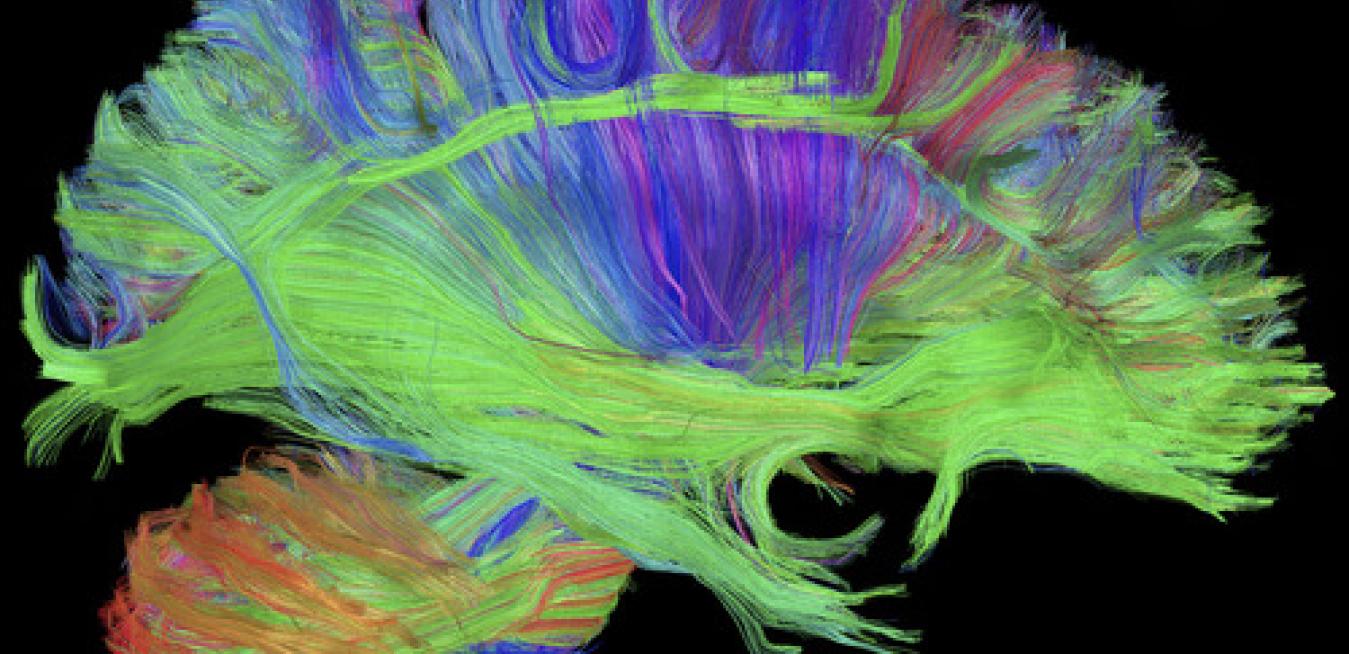
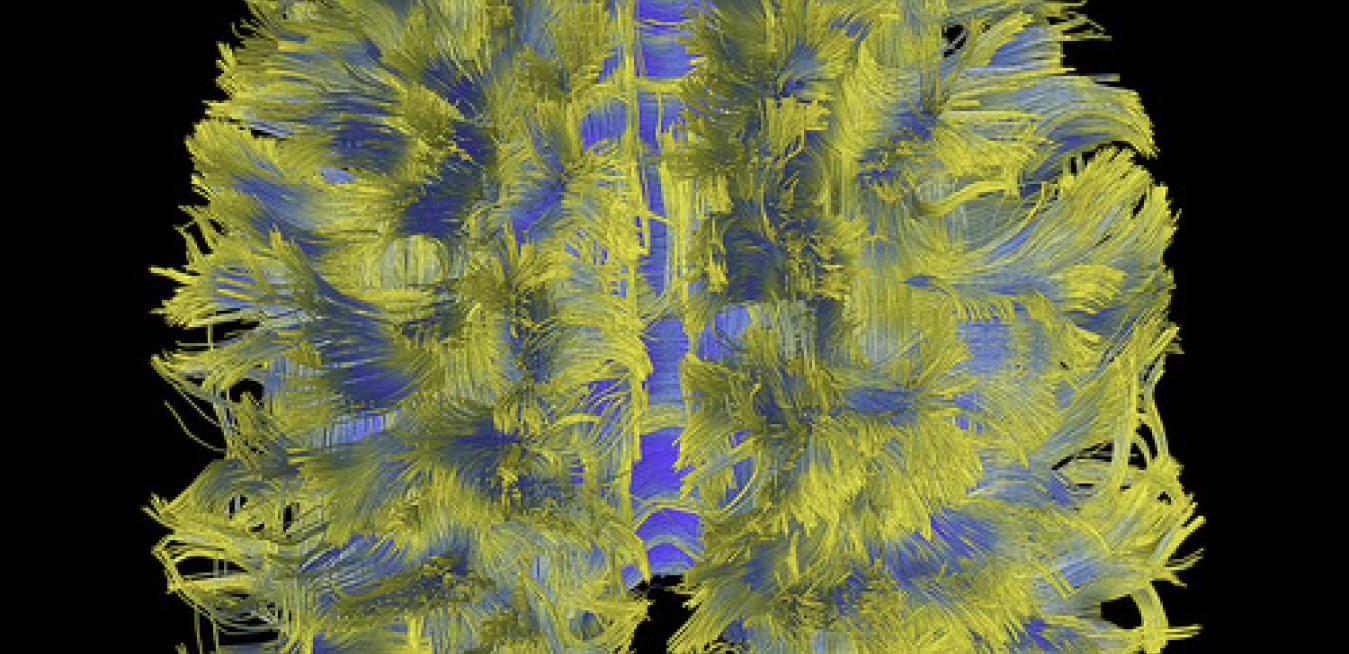
The Art of Science: Take a Look at the Future of Brain Imaging

June 30, 2014

Three decades ago, engineers at GE research labs in Niskayuna, NY, built one of the first magnetic resonance machines and peered inside a colleague’s head. The result was the world’s first MRI image of the human brain. “This was an exciting time,” says John Schenck, a lead scientist on the project and also the test’s subject. “We worried that we would get to see a big black hole in the center. But we got to see my whole brain.”

Subscribe to Brain