
GE history
To Make the Important Interesting: A Look Back at a Century of Advertising at GE



This fall, TV viewers witnessed an impressive vision of continuity through change.
President's Day
Lights, Electricity, Action: When Ronald Reagan Hosted "General Electric Theater"

In 2015, the National Geographic Channel launched a new television series called “Breakthrough,” focusing on scientific discovery. The series was developed by the channel and GE, and produced by Oscar winners Ron Howard and Brian Grazer.
brain-research
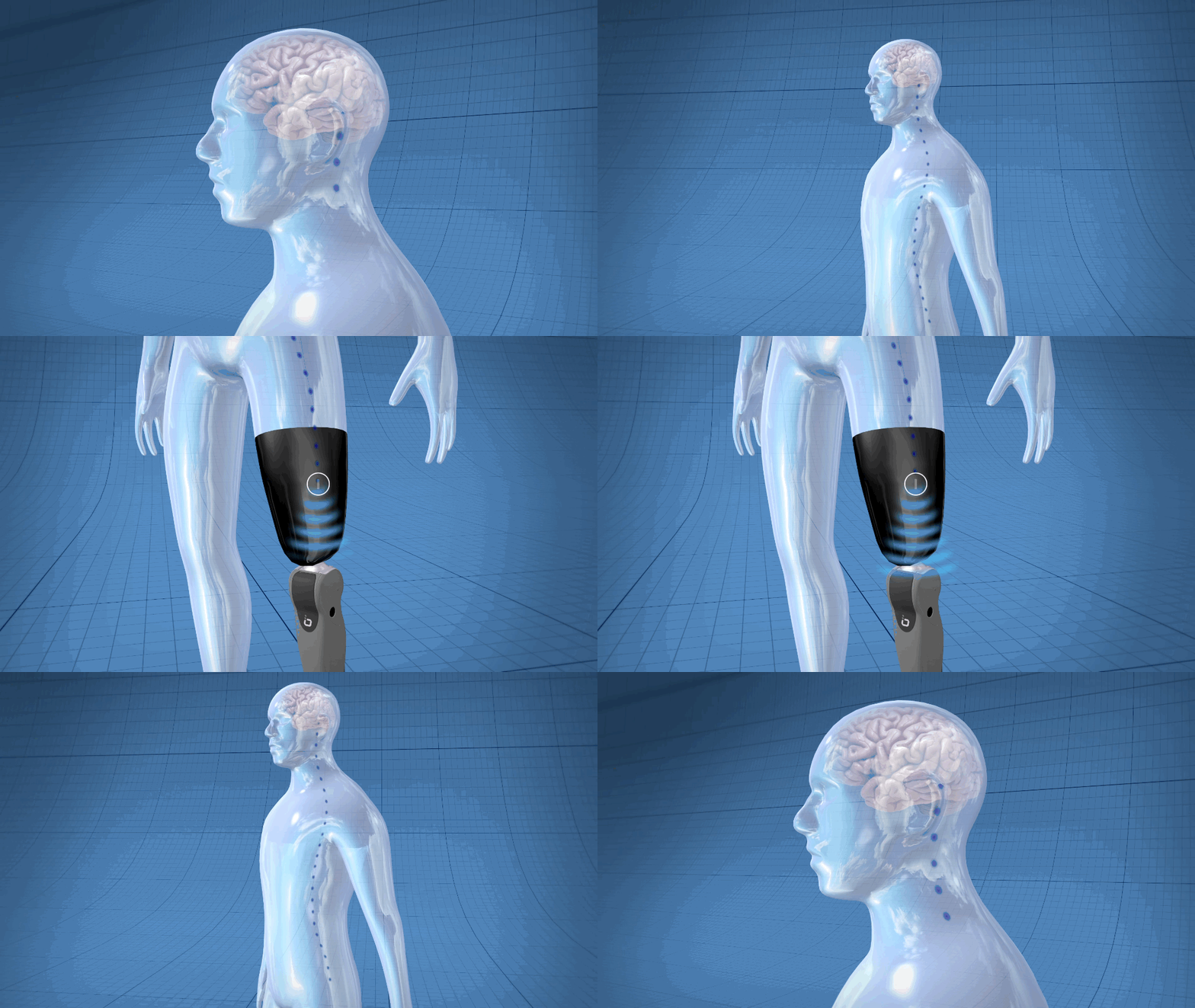
Exploring the Brain’s Potential — Interview with Jon Sigurdsson of Össur

Breakthrough
Robert Glennon: Why a Higher Price for Water Makes Sense
Without sensible water prices, industry has no incentive to innovate and conserve.
Industrial users are not paying enough for water. The same goes for farmers, commercial businesses, municipal residents — and every other user group.
Breakthrough
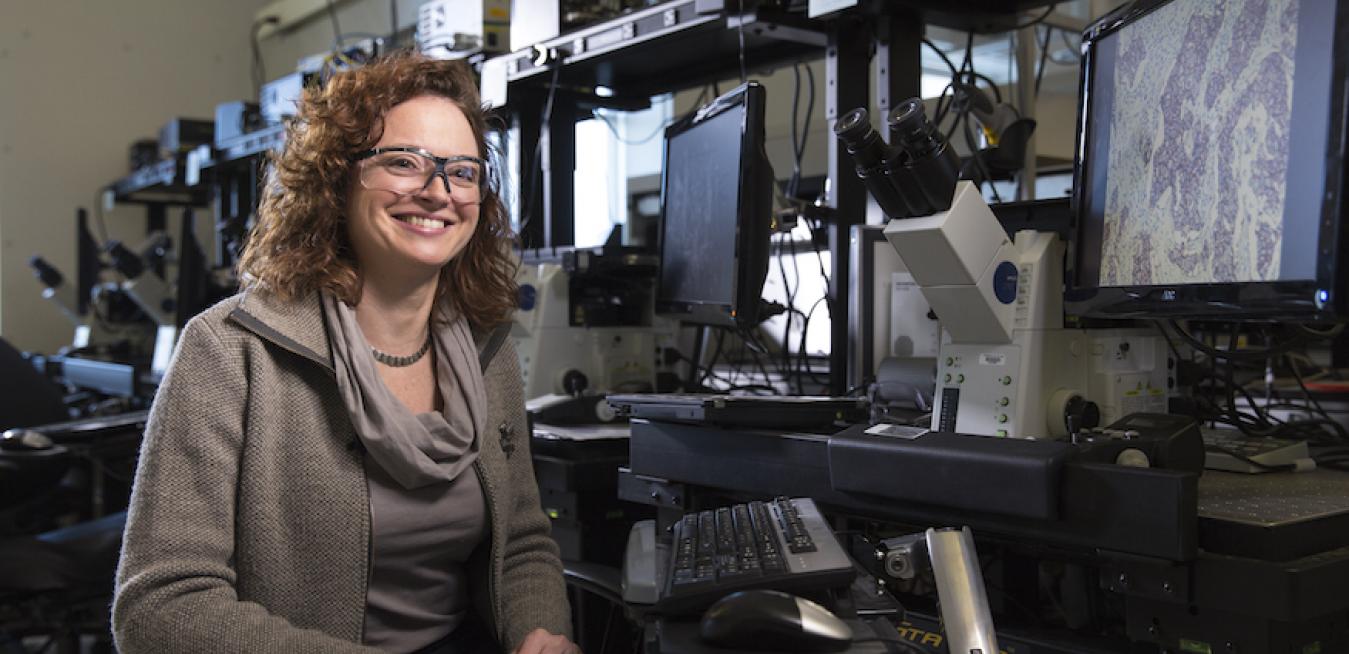
Like Google Maps For Illness: This Researcher is Using New Tricks to Crack The Secrets Of Cancer
artificial-intelligence
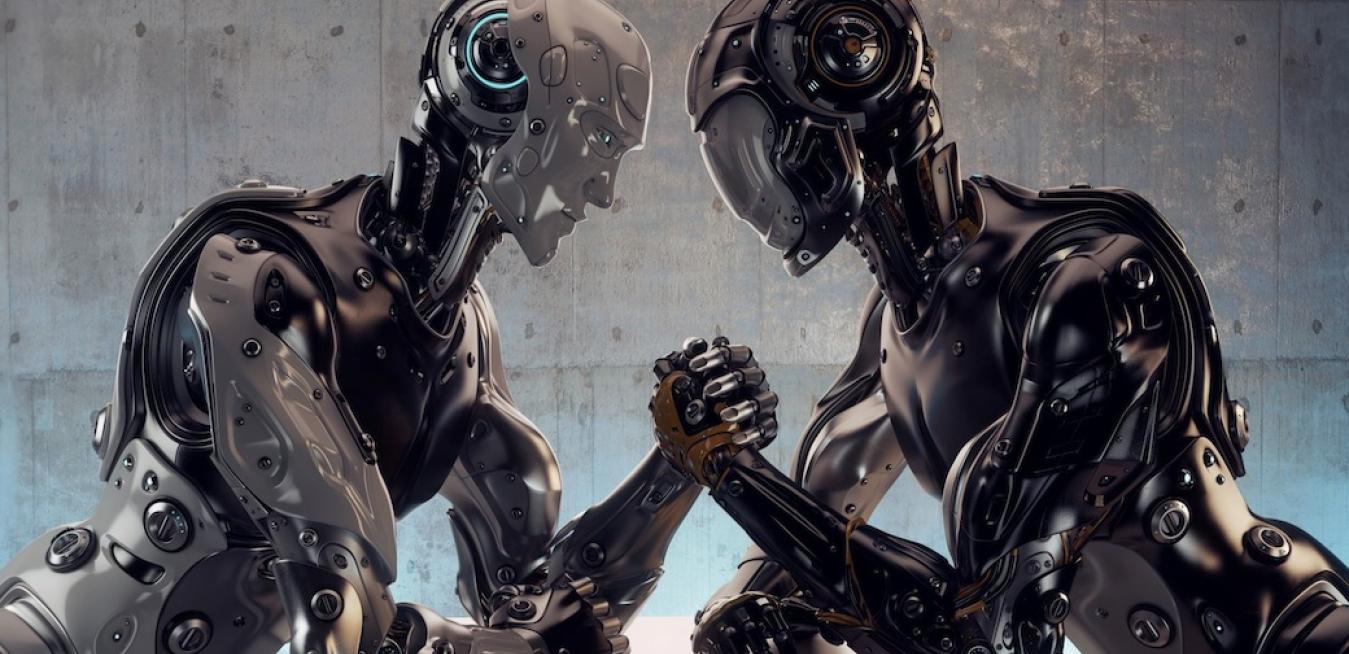
Will Artificial Intelligence Do Great Harm or Great Good? — Interview with Marcelo Gleiser of Dartmouth College
We must consider the key moral and policy questions around artificial intelligence and cyborg technologies to ensure our innovations don’t destroy us.
How much do we really know about the impact of scientific breakthroughs — on technology or on society? Not enough, says Marcelo Gleiser, the Appleton Professor of Natural Philosophy and a professor of physics and astronomy at Dartmouth College.
Breakthrough
Aubrey de Grey: Can We and Should We Give Ourselves Indefinite Youth? Oh Yes
The marginalization of anti-aging research is our most shameful humanitarian failure.

Breakthrough
Stopping Malaria: Affordable New Test Seeks To Reveal Hidden Reservoirs Of Disease
Breakthrough
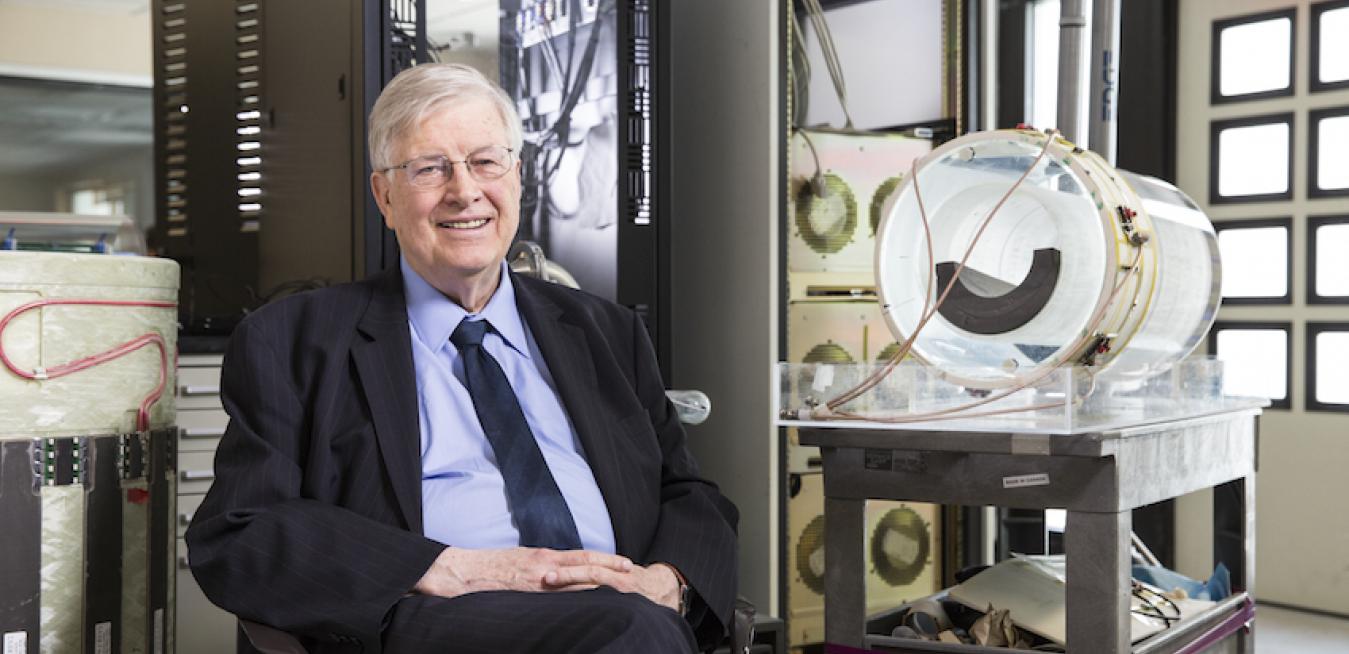
Heady Times: This Scientist Took the First Brain Selfie and Helped Revolutionize Medical Imaging
Breakthrough
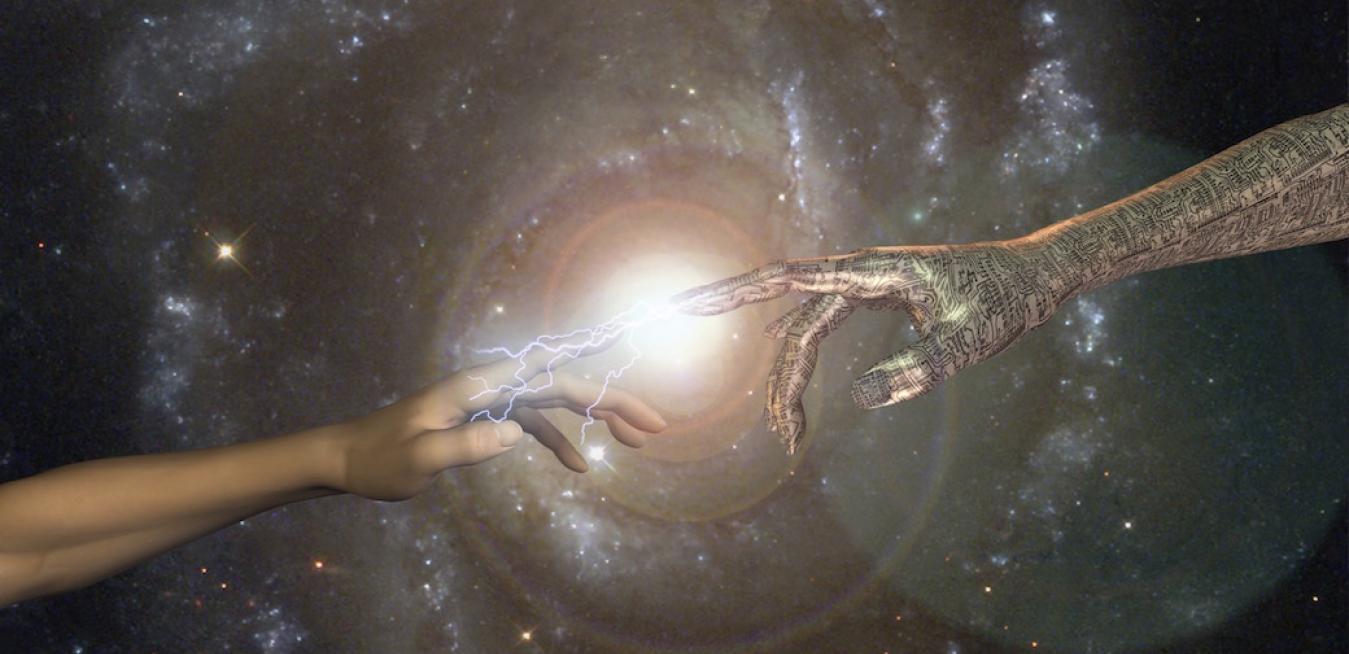
Are Humans Becoming More God-Like? Interview with Yuval Noah Harari of Hebrew University
Technology will enable people to “upgrade” to god-like cyborgs in a century or two. That could be a good thing, as long as the technology is serving us — not the other way around.
Is technology enabling us to become ever-more god-like? And would that be a good thing?
As artificial intelligence (AI) and embedded technologies empower people to become “more than human,” future advances could become as much of an ethical question as a technological one.