
Huge GE Gas Turbine Generator Starts Up at One of the World’s Largest Gas Projects Operated by Chevron



Shazam for Aquaman? This App Decodes Sounds of the Deep Sea
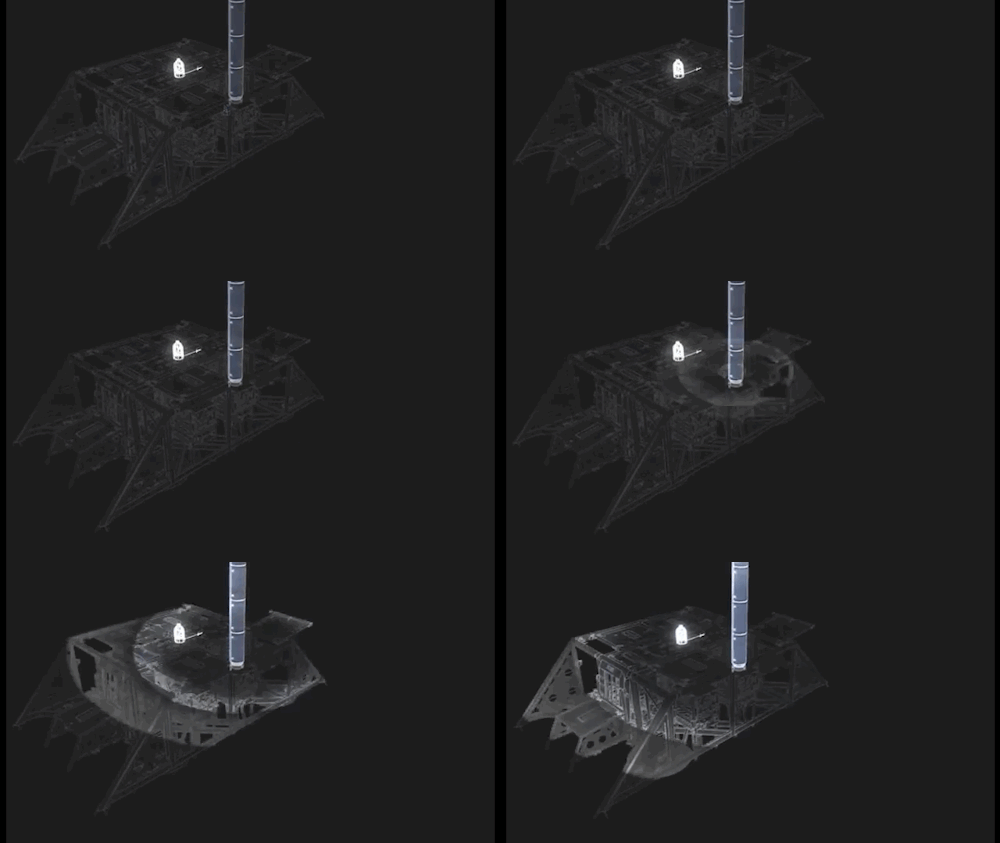
Deep under the North Sea, an orchestra of transformers, choke manifolds, pumps and valves whirs an improvised subsea symphony. The audience is a 500-pound electronic ear whose design is a trade secret.
Could Crowdsourcing Lead to Lower Emissions, Water Use in Shale Oil and Gas Wells?

Where Virtual Reality is Worth a Thousand Pictures: A Mile Under the Sea And Nary A Wet Toe

Holiday Cheer for Captain Nemo? These Bright Yellow Christmas Trees Light Up the Deep Sea Murk
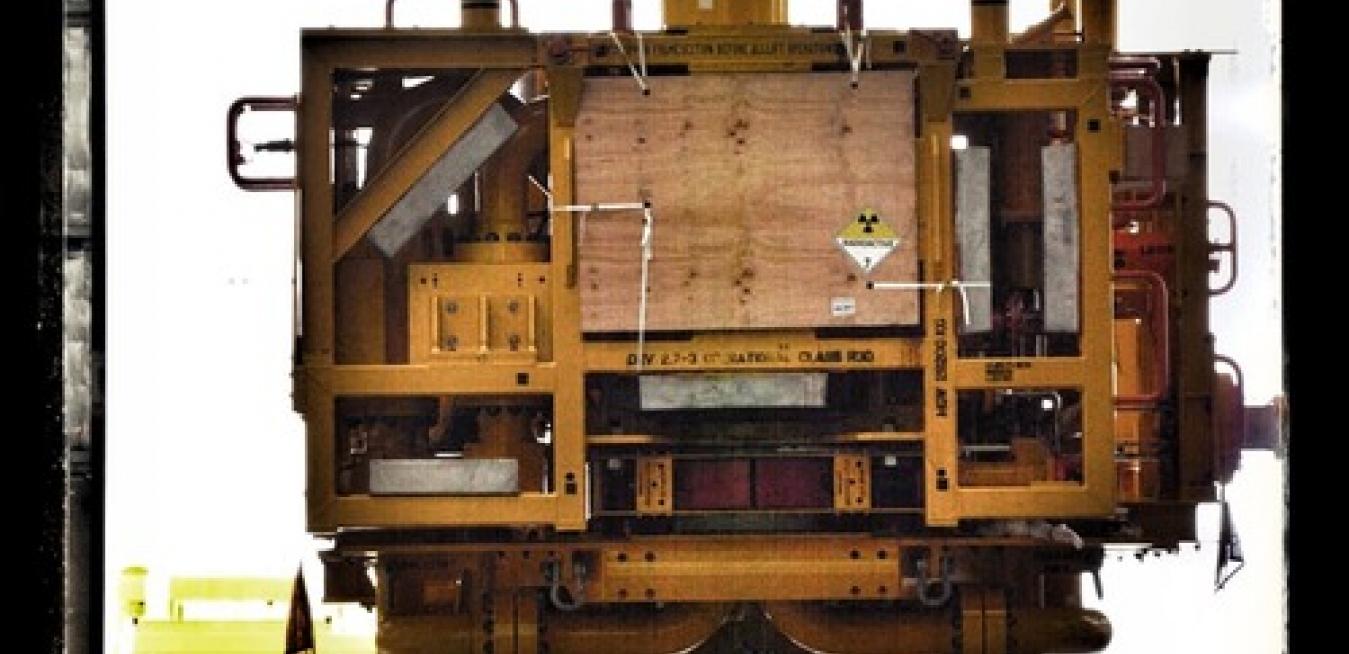
It’s not quite the North Pole, but the Christmas season seems to be always on at the Bridge of Don plant in Aberdeen, Scotland, where GE builds massive machines for subsea oil and gas exploration. That’s because workers at the plant make Christmas trees, an industry nickname for huge mechanical systems that control the flow of oil and gas from subsea wells.

Kenneth Herd: Technology for Brazil, Technology for the World
New $500 Million GE Research Center in Brazil Will Focus on Subsea Oil & Gas Exploration
GE opened its Brazil Technology Center in Rio de Janeiro today. The $500 million research hub will focus on developing advanced technologies for offshore oil and gas exploration and production.
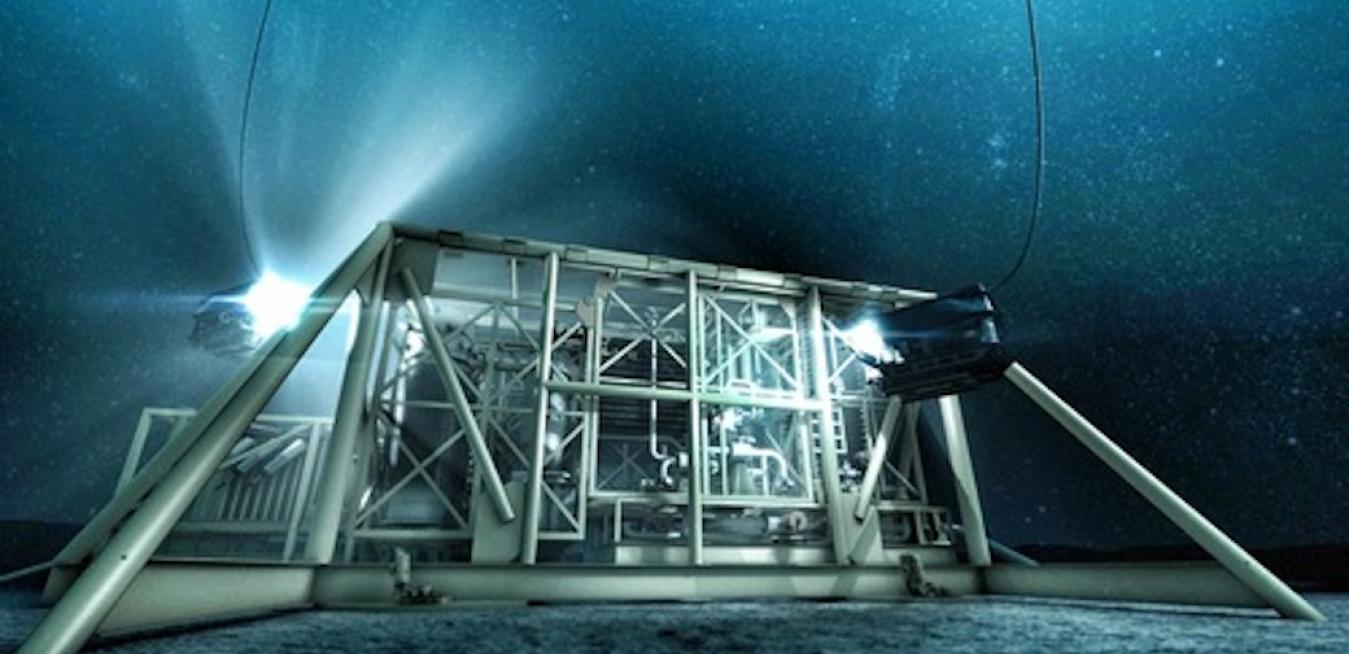
Oliver Astley: Taking Oil and Gas Exploration to New Depths
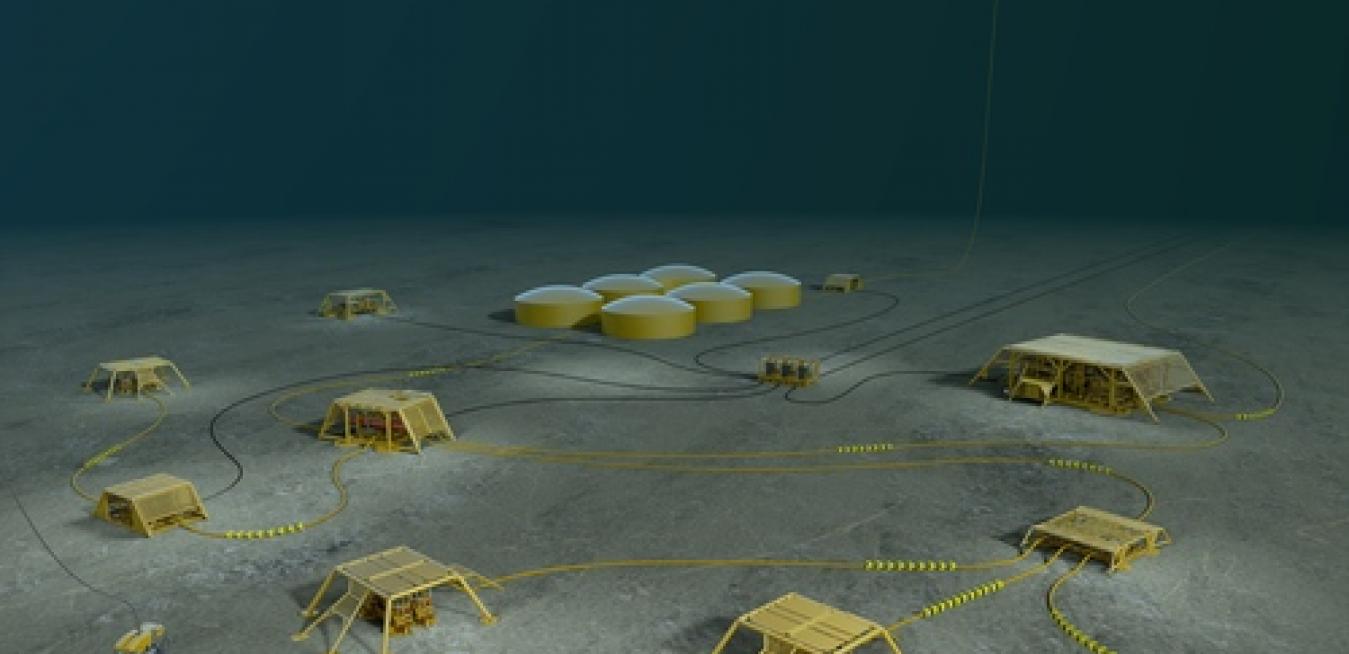
That’s the type of incredibly harsh environment that GE researchers are competing with as we design electrification equipment for our customers that will power oil and gas processing functions reliably on the seabed.
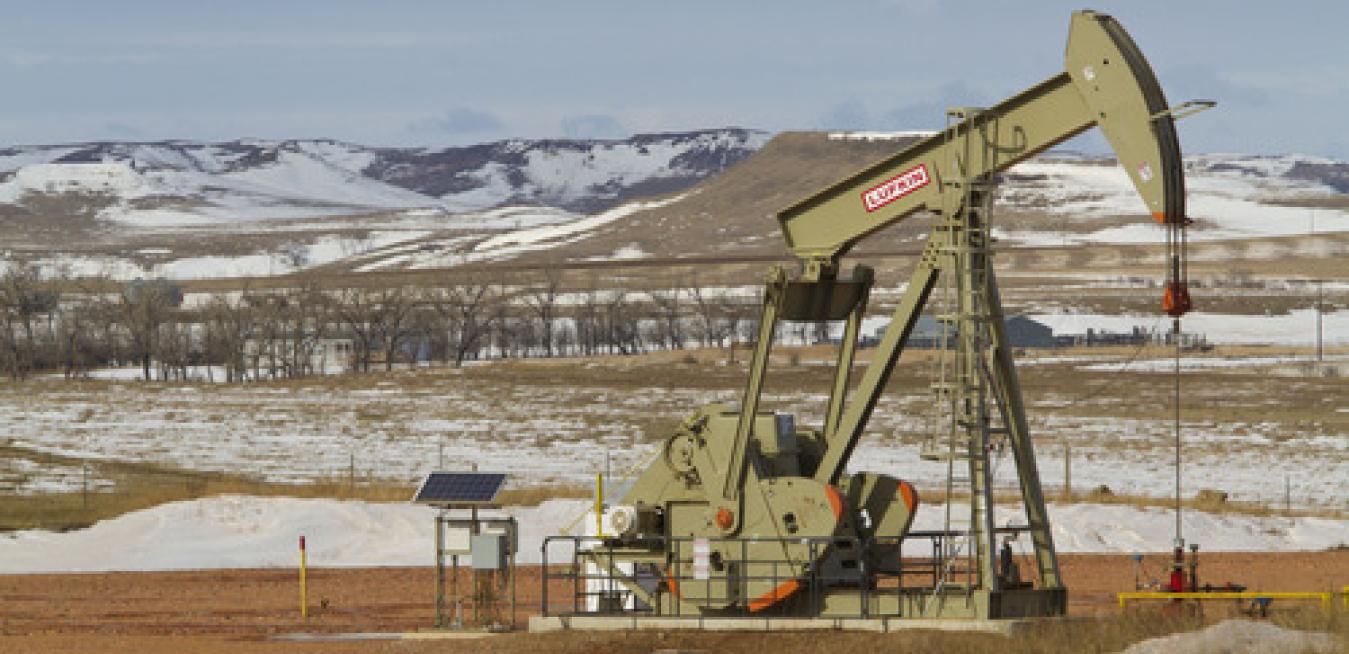
Taming North Dakota’s Gas Flares

When Shale Gas Met Software: The Industrial Internet Will Monitor a Vast Pipeline Network
Getting shale gas out of the ground is one thing. But taking it to customers is quite another.
American pipeline operators are investing as much as $40 billion every year to maintain, modernize and expand their networks. The shale gas boom is putting operators under pressure to move more gas to market faster and more safely, and many U.S. pipelines have been in service for at least two decades.