Thirsty Energy



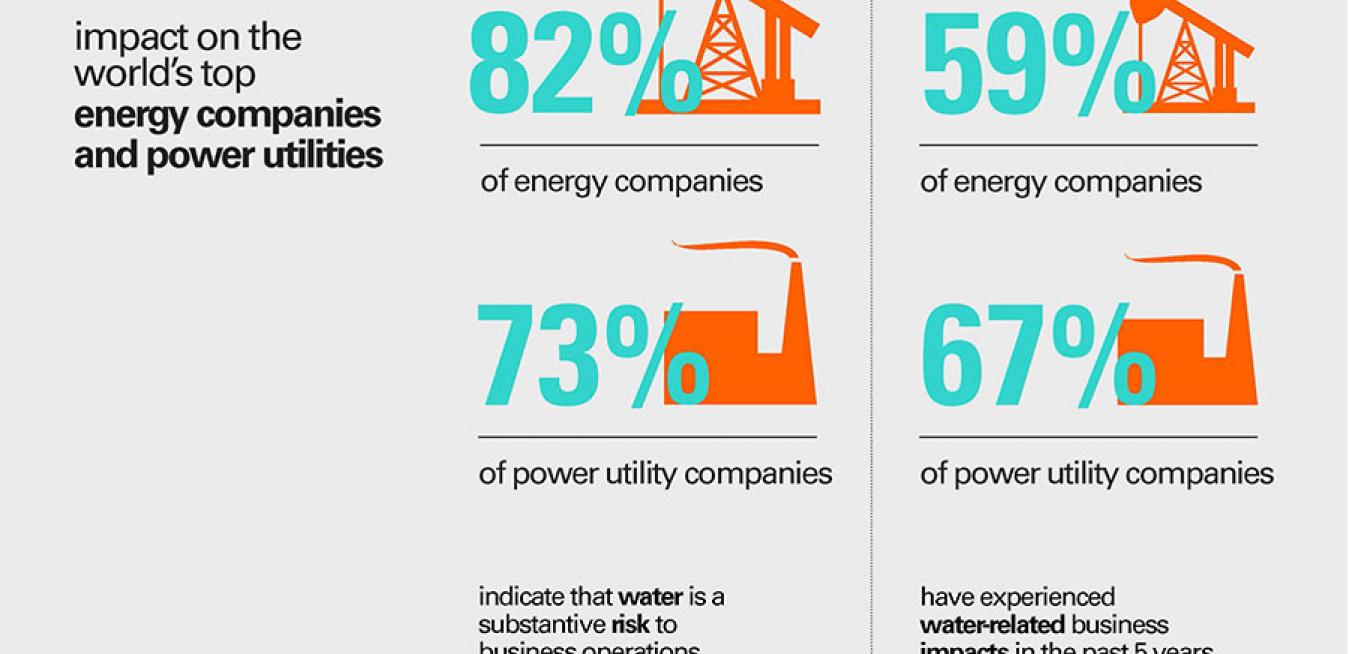
Significant amounts of water are needed in almost all energy generation processes, from generating hydropower, to cooling and other purposes in thermal power plants, to extracting and processing fuels. Conversely, the water sector needs energy to extract, treat and transport water. Both energy and water are used in the production of crops, including those used to generate energy through biofuels. Population growth and rapidly-expanding economies place additional demands on water and energy, while several regions around the world are already experiencing significant water and energy shortages.
Today, more than 780 million people lack access to potable water, and over 1.3 billion people lack access to electricity. At the same time, estimates show that by 2035, global energy consumption will increase by 35%, while water consumption by the energy sector will increase by 85%. Climate change will further challenge water and energy management by causing more water variability and intensified weather events, such as severe floods and droughts.
These interdependencies complicate possible solutions and make a compelling case to expeditiously improve integrated water and energy planning in order to avoid unwanted future scenarios.
Thirsty Energy was originally published on Ideas Lab