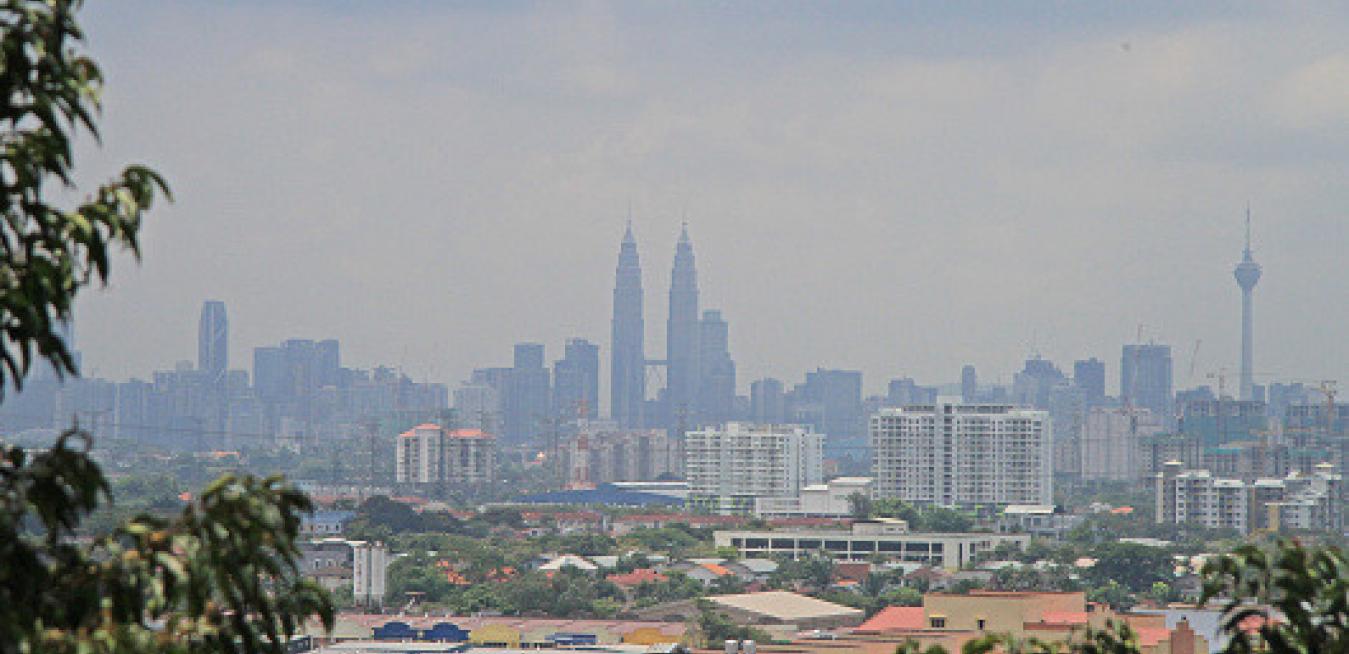
The South East Asia Haze: Cause and Effects



A thick, acrid haze has smothered Malaysia, Indonesia and regional neighbour Singapore once again this year, as Indonesia’s annual burning sends clouds of smoke billowing over the region.
As Indonesia’s president Joko Widodo recently announced, even having sent 3,700 soldiers and 8,000 police officers to address the problem, tackling the fire and reducing the root cause of the haze could take years. So what do we know about the haze and its effects?
A Hazy Problem

The haze is a result of large fires in Indonesia caused by illegal burning of forest and peat swamps, often to create land for lucrative palm oil plantations as well as for subsistence farming by local residents. Unfortunately this illegal practice layers a blanket of harmful haze across neighbouring countries.
This thick haze not only results in the inconvenience of flight delays and school closures, but poses a significant threat to public health.
How Hazy?

Pollutants like the haze are measured on the Pollutant Standards Index (PSI) in Singapore, or Air Pollutants Index (API) in Malaysia, with anything over 100 being unhealthy, and 300 being considered hazardous to health. In Malaysia the readings broke the 200-point level in September while PSI readings in Singapore reached 341, the highest levels this year. In Indonesia levels of almost 2,000 have been recorded at the areas where the fires are!
Hazy Indonesia

While illegal burning by unscrupulous individuals in Indonesia may be the source of this problem, the Indonesian people are also sadly those most impacted by it. There are a variety of adverse effects from the haze, ranging from eye irritation, skin problems and more serious respiratory complications.
Indonesians in the state of Sumatra and Kalimantan and Riau have been heavily affected. In many places the haze has become such an established problem that schools were left open, offering significant exposure risks to the young and vulnerable of the region. It’s for this reason that GE has partnered with local customers to distribute vitamins and 2,500 high quality masks to affected areas of Sumatra.
With as many as 168,000 people in affected areas of Indonesia seeking medical treatment for respiratory problems according to National Disaster Management Agency spokesman Sutopo Purwo Nugroho, these solutions are merely a small attempt to address these difficulties. The immediate impact is staggering but the long term threat can be harder to assess.
Haze and Lungs

According to the UN air pollution kills about 7 million people every year globally, one in every eight deaths worldwide. Alongside the risk of heart disease and chronic obstructive pulmonary disease (COPD), comes the potential threat posed by lung cancer.
More than 2,000 men are diagnosed with lung cancer annually in Malaysia alone, making it the single biggest disease threatening the male population of the country. It is the third biggest risk to women after breast cancer and cervical cancer. In Indonesia lung problems make up 3 of the top 6 causes of death according to World Health Organisation figures.
Extended exposure to harmful substances such as the haze can significantly increase the risk of developing this and other serious respiratory conditions. GE’s advanced imaging technology provides a valuable tool in comprehensive diagnosis of respiratory conditions. Lung cancer is a particular area that GE healthcare is dedicated to tackling. With more than 1.35 million cases diagnosed globally each year, GE is committed to improving early detection and diagnosis of this hidden killer.
Haze and You

There are some precautions we can take in the haze.
Keep yourself informed! This handy online air pollutant checker means you can have constant real-time updates on the pollutant levels on any given day.
We should minimise the time outdoors in the haze when pollutant levels are high, and vigorous activities in particular should be avoided. Those with long term health conditions, children and pregnant women should be particularly careful.
Keep windows closed where possible, and ensure any air conditioning is maintained to a high standard. An air purifier can be used to help remove contaminants and ensure cleaner air.
Drinking more water and washing your face regularly can help keep you hydrated, reducing some symptoms and helping relieve skin and eye irritation.
Finally face masks can provide some limited protection against pollutants, however not all masks are created equal! Loose fitting, thin cotton or surgical masks are unlikely to offer any protection. Masks should fit snugly on the face. To that end, it is recommended that the N95 mask be used for such protection.