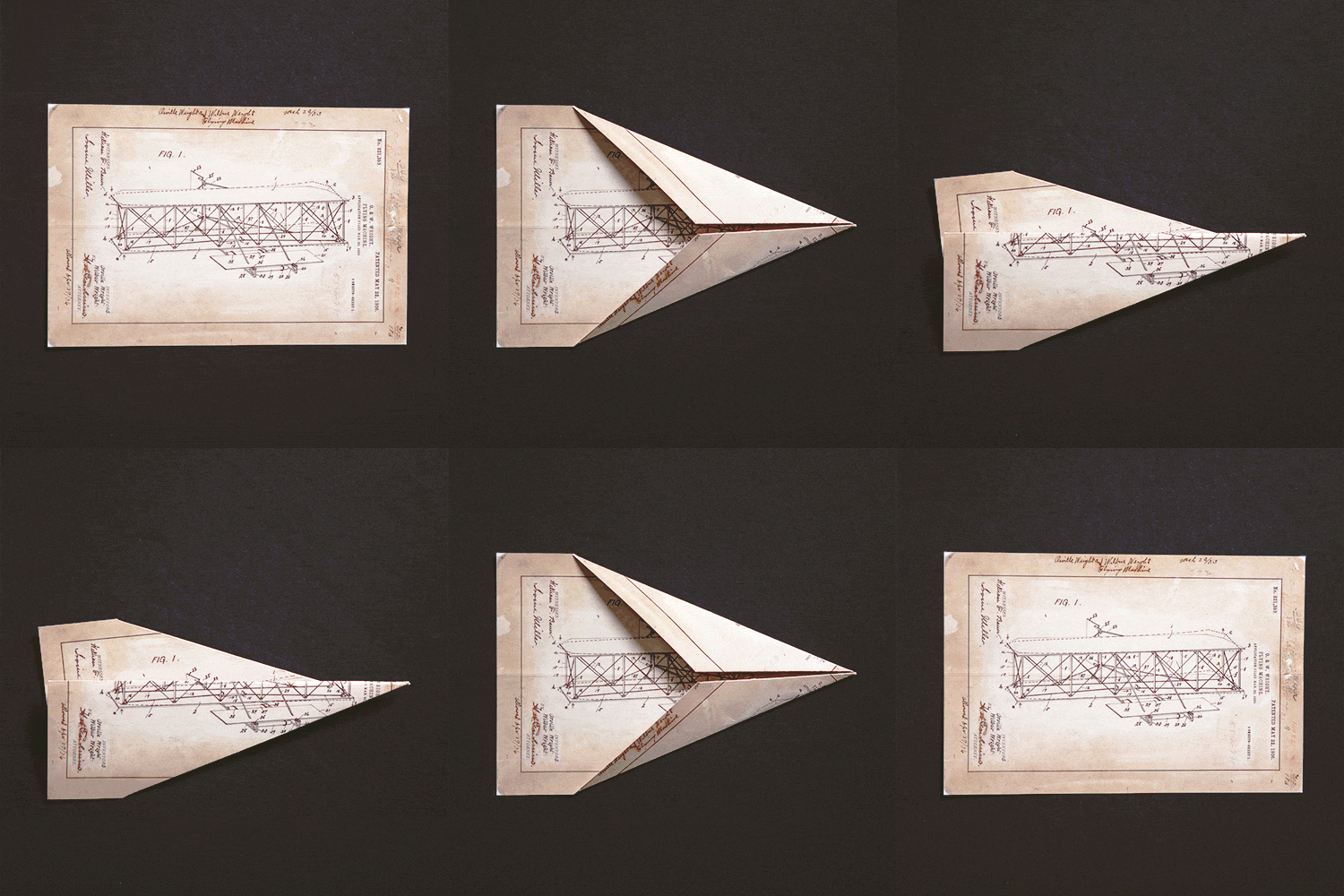
The Most Important 10 Pages in the History of Aviation Are Missing



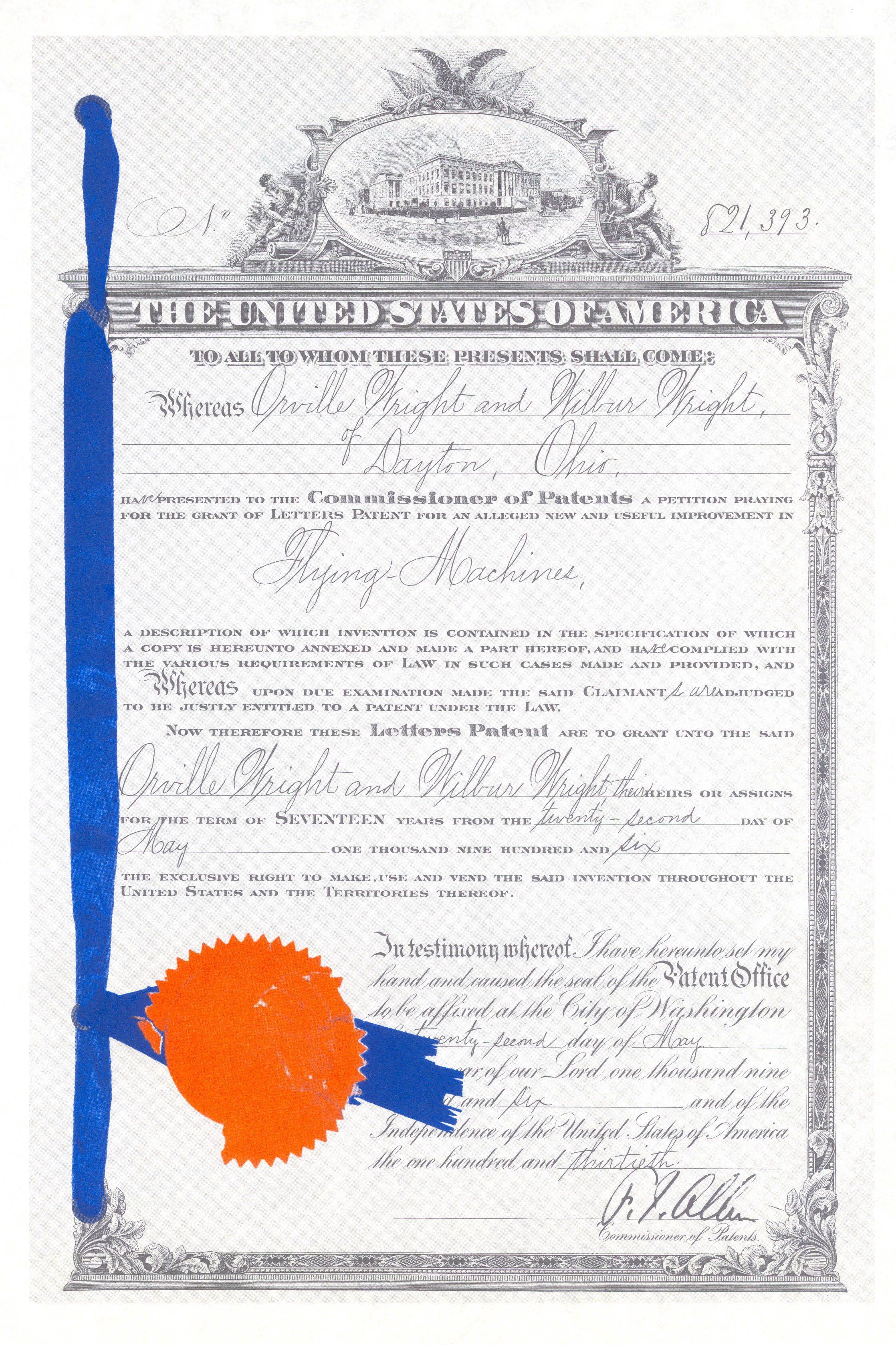
The cover of the Wright Brothers’ historic "Flying Machine” patent.
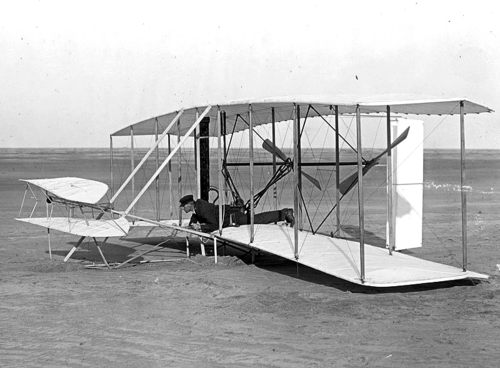
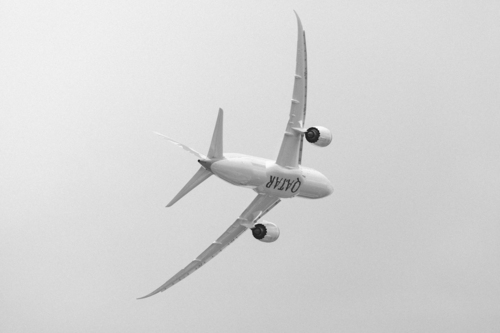
Although the Wrights’ patented flyer had no engine, by the beginning of World War I planes had motors that allowed them to travel as fast 130 miles per hour and engage in spectacular dogfights.
Wartime innovations also brought larger and faster planes made from metal that allowed governments and entrepreneurs to launch air mail and commercial passenger service.
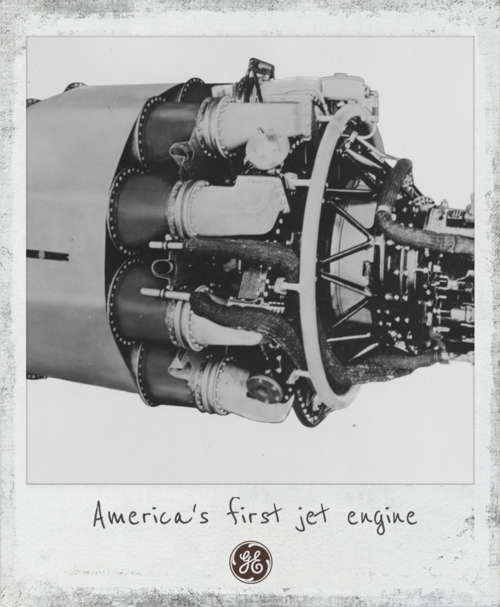
But it was the next global conflict, World War II, which pushed engineers to pursue another revolutionary technology: the jet engine. In 1941, a group of GE engineers called the Hush Hush Boys (pictured below) worked in secret on a jet engine design developed by Britain’s Sir Frank Whittle and built America’s first jet engine.
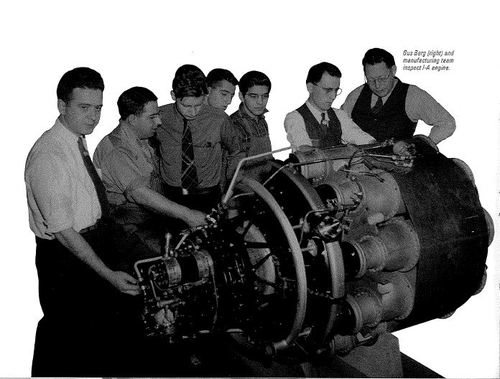
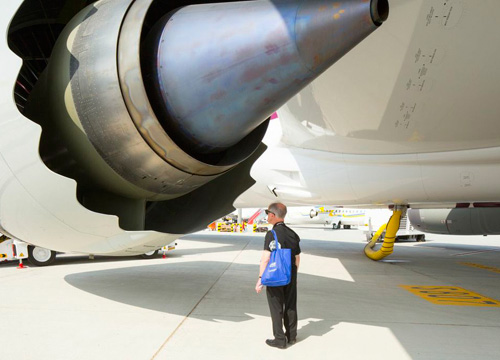
That engine, called I-A, launched GE’s aviation business and started an engine dynasty culminating today in the largest and most powerful jet engines ever built: the GE90, GEnx (pictured below) and GE9X.
But progress is marching on. The LEAP engine, which GE makes in a joint-venture with France’s Snecma (Safran), is the world’s first passenger jet engine with 3D printed fuel nozzles. Today, an aircraft powered by GE technology takes off somewhere in the world every 2 seconds.

An aircraft powered by GE technology takes off somewhere in the world every two seconds. GIF by Laurène Boglio.
Strangely, the original of the Wright’s flying machine patent, which they filed eight months before their maiden flight, has been missing since the 1980s. Mitchell Yockelson, an investigative archivist for the National Archives Recovery Team, told Air & Space Smithsonian magazine that “from 1969 to 1980, the patent file for the Wright Flyer was passed around various National Archives offices, and it spent some time at the National Air and Space Museum. The document was returned to the Archives in 1979, and somebody there remembers laying eyes on it in 1980…When curators began planning a commemoration of the Centennial of Flight, in 2003, the patent file had vanished.”
Fortunately, it takes just one quick scan of the skies to see what momentous change the Wrights have wrought.