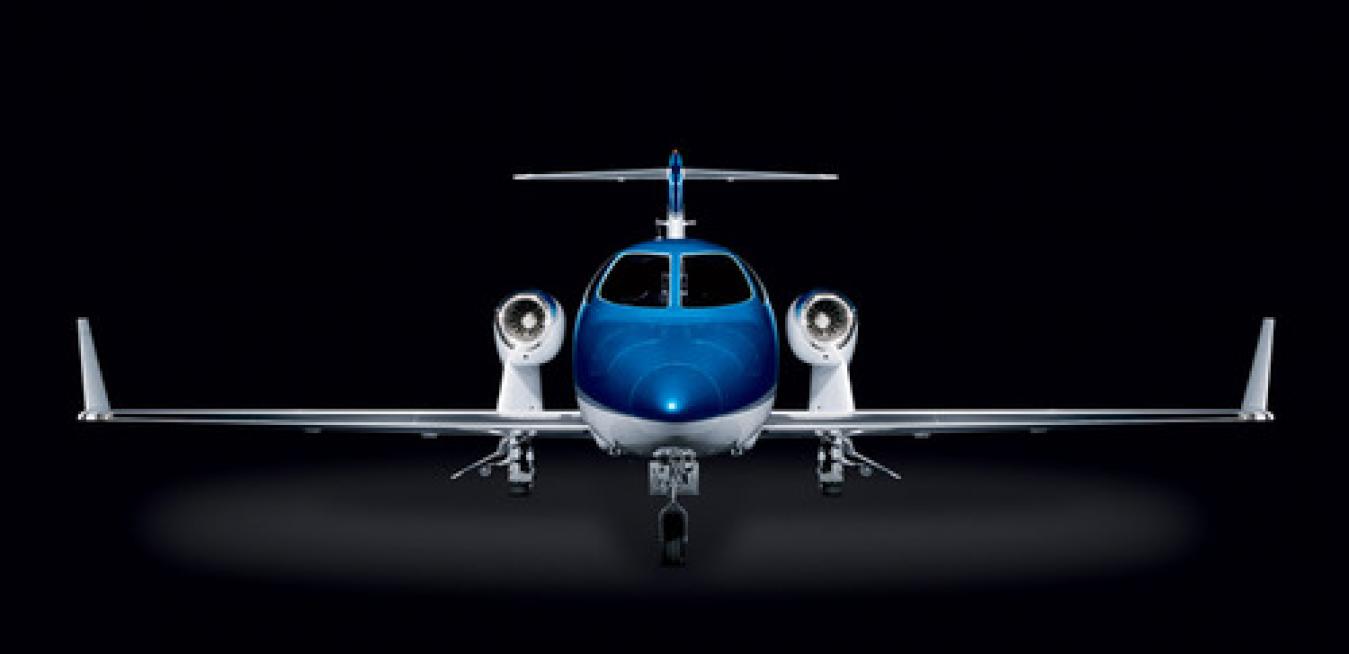
The HondaJet Just Got New Engines. Is the Flying Car Next?



The engine is now in full production at GE Aviation’s plant in Lynn, Mass, according to Terry Sharp, the joint-venture’s president. Sharp said that “significant planning activity” was underway to move manufacturing to a new Honda Aero factory in Burlington, N.C., before the end of the year.
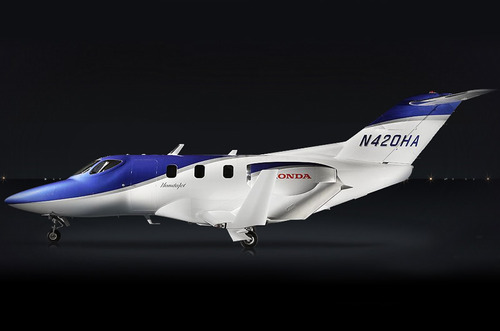
The HondaJet is the car maker’s first entry into the aircraft business. Honda describes the plane, which can seat four passengers in a classic club configuration plus one in an optional side-facing fifth seat, as the world’s most advanced light business jet.
The plane has a fuselage made from a light carbon-fiber composite, next-generation all-glass avionics and a unique over-the-wing engine mount that reduces drag and cabin noise and improves performance and fuel efficiency. “There is nothing else out there that looks like the HondaJet,” Sharp says.
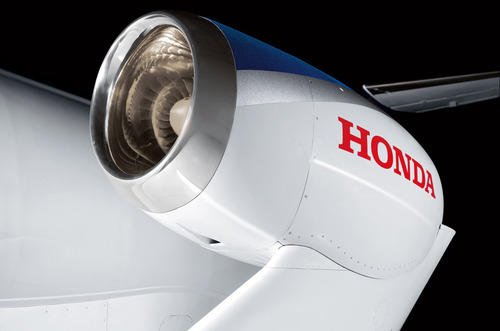
GE and Honda engineers developed and certified the engine over the last decade. With 18.5 inches in diameter and 2,095 pounds of thrusts, the jet engine, called HF120, is the smallest in GE’s portfolio. By comparison, the largest GE jet engine, the GE9X, has a fan diameter of 132 inches and projected thrust above 100,000 pounds.
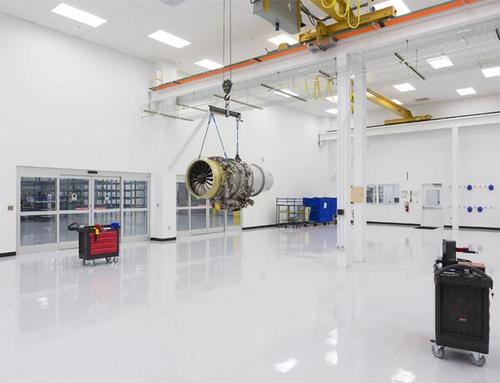
The first production HF120 engine at GE’s plant in Lynn.
The HondaJet engine has a number of advanced features, including a high-temperature titanium impeller in the compressor for maximum engine pressure ratio and stall-free performance, a swept front fan “blisk” and composite outlet guide vanes.
The HF120 engine represents GE’s return to the business jet space – a market the company helped create in the 1960s. At the time, GE engineers converted the J85 military jet engine into propulsion for the first Learjet business jets developed by the legendary aircraft designer Bill Lear.

Images: Honda and GE