The Vanguard
The 5 Coolest Things On Earth This Week
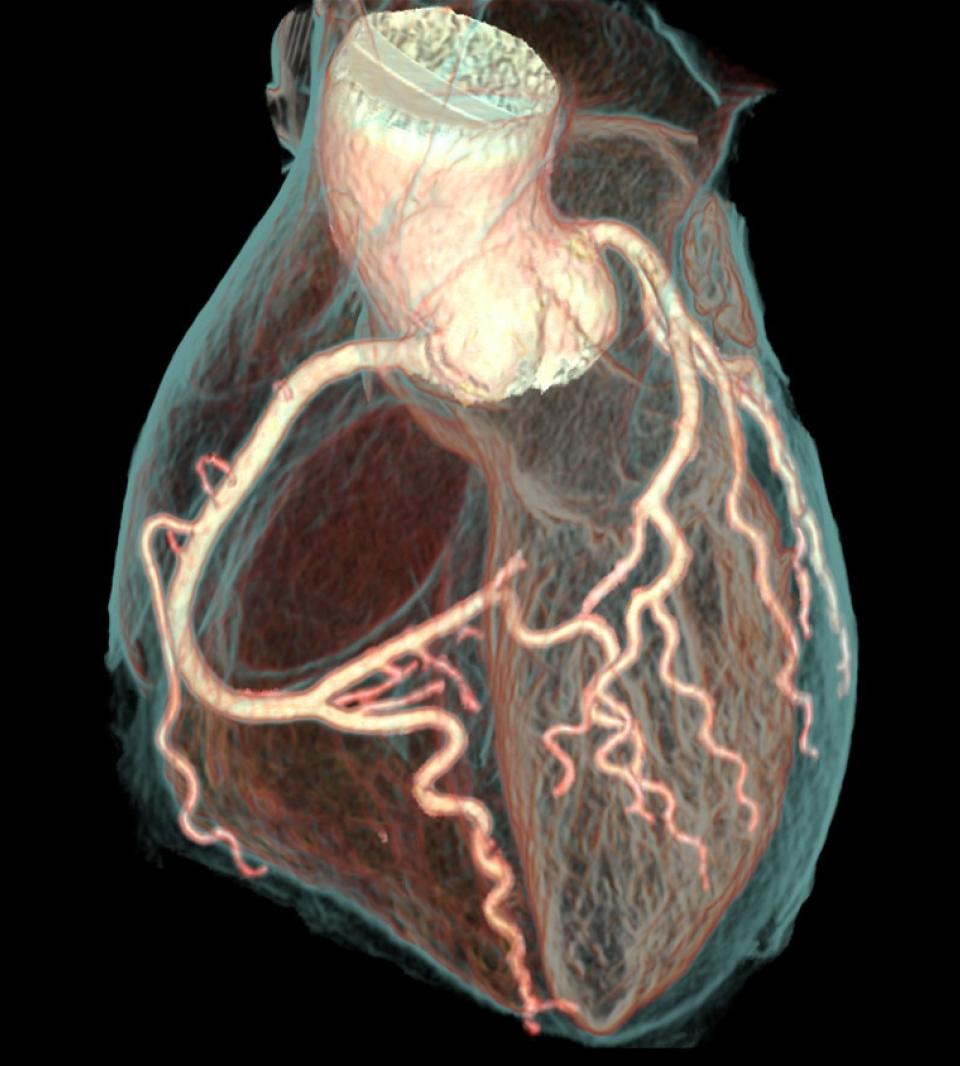



Lulling cancer to sleep, finding new heart rhythms and harnessing the power of crystals. This week’s coolest things have healing strength.
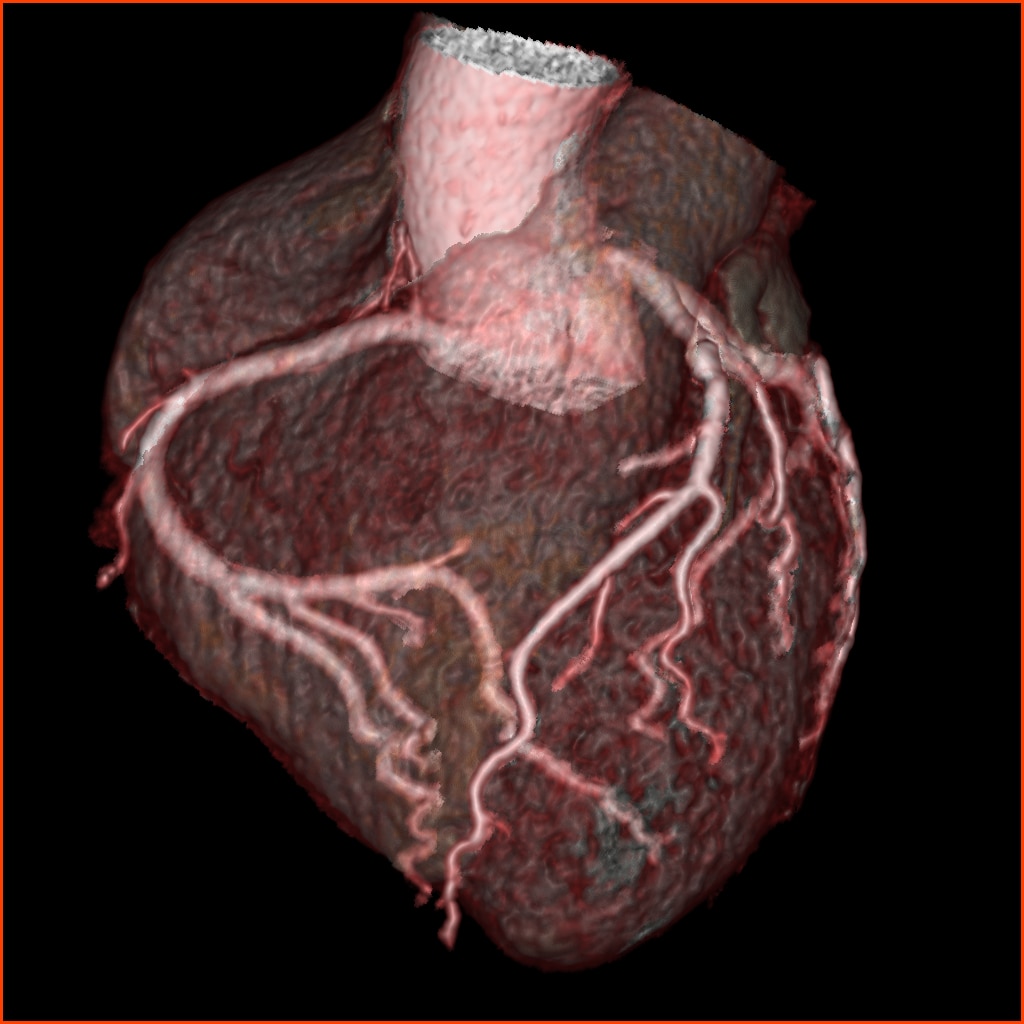
What is it? Researchers in New Zealand are testing a bionic pacemaker that could reverse heart failure.
Why does it matter? About 26 million people in the world suffer from heart failure, and half of patients die within five years of diagnosis. “There’s nothing really on the market that will cure heart failure,” said Julia Shanks, lead author of a new study in Basic Research in Cardiology.
How does it work? The study, carried out in sheep, found that the biofeedback pacemaker increased cardiac output by 20%, well above the results from a traditional pacemaker. Those devices trigger a steady beat when a person’s heart is failing to beat effectively. But the natural heartbeat isn’t actually steady. It beats faster when you inhale and slower when you exhale, which scientists reason is an energy-saving mechanism. To replicate this natural rhythm, the researchers created a pacemaker that responds to the body’s respiration signals, timing beats with breathing. “This discovery may revolutionize how heart failure patients are paced in the future,” said Martin Stiles, a cardiologist from Waikato Hospital. A human trial is planned for later this year.
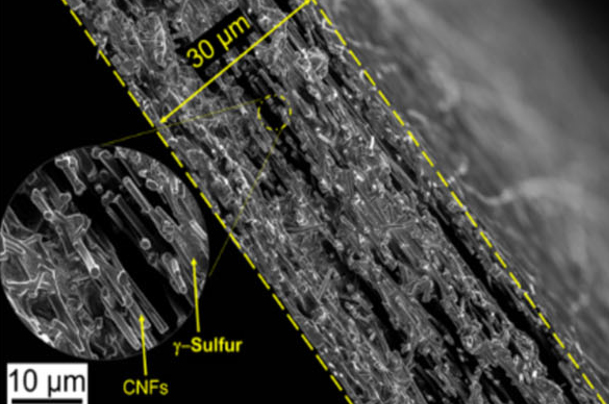
What is it? Researchers at Drexel University have advanced a lithium-sulfur battery that could triple the storage capacity of current batteries and offer a more sustainable solution to storing energy.
Why does it matter? Sulfur offers a more abundant and environmentally friendly replacement for nickel, cobalt and other metals that are mined for lithium-ion batteries. But engineers haven’t been able to make lithium-sulfur batteries in a way that is safe and effective for commercial use.
How does it work? Past attempts to use sulfur cathodes in batteries failed when by-products reacted with the electrolyte liquid inside and caused near-immediate shutdown. The Drexel researchers created a carbon fiber cathode that (to their happy surprise) converted sulfur into a rare crystalline form that doesn’t react with the electrolyte solution. The battery maintained its performance over 4,000 charge/discharge cycles — the equivalent of 10 years of regular use, and three times the capacity of today’s Li-ion batteries. Sulfur “has the potential to improve the performance of batteries in electric vehicles and mobile devices in a commercially viable way,” said Vibha Kalra, who led the research, published in Communications Chemistry.
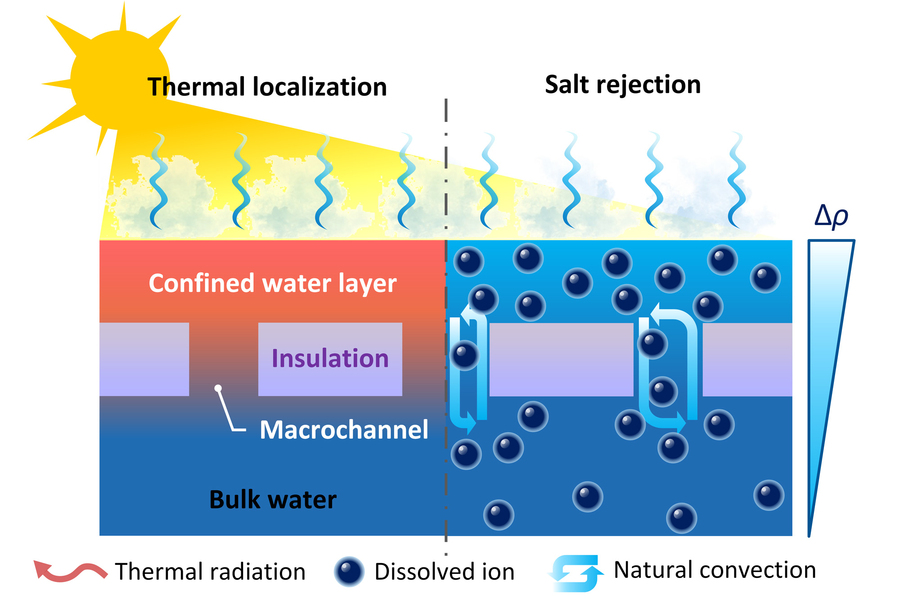
What is it? Researchers at MIT and in China devised a simple water desalination process that could provide drinking water for an entire family with just $4 worth of materials.
Why does it matter? Around two-thirds of the world’s population faces water scarcity at least one month out of the year. Existing desalination systems either require reliable electricity — often unavailable in water-stressed parts of the developing world — or have short lifespans due to salt buildup. “Over time, things will foul,” said Evelyn Wang, whose team published its findings in Nature Communications.
How does it work? The research team came up with a new design for passive desalination, which needs only the heat of the sun to power evaporation. Typical solar desalination systems need wicking structures to draw water through, and those can get quickly gunked up with salty remnants. Instead, the researchers created a permeable barrier that separates a thin layer of water at the surface of a tank or pond from the body of water below. As the surface water evaporates (and is collected for use), the upper layer becomes denser than the reservoir below, driving the saltier water down, where it gets diluted. The researchers estimate that a 1-square-meter version of their device — made from a few dollars’ worth of polyurethane painted black on top and perforated with 2.5-millimeter holes — could meet a family’s daily water needs.
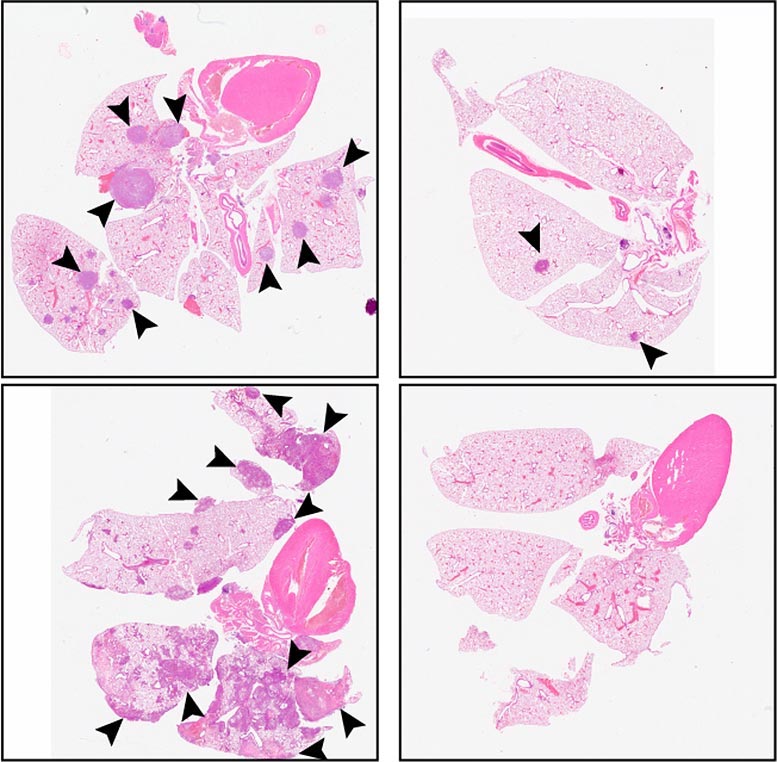
What is it? A new drug could prevent cancer from recurring by putting cancerous cells to sleep.
Why does it matter? Even after treatment, cancer patients can see tumors return years later — either in the same place or elsewhere in the body, which is called metastasis.
How does it work? It is believed that cancer recurrence is the result of dormant cancer cells that evaded treatment “waking up” and proliferating. Researchers in New York identified a protein called NR2F1 that seemed to control this phenomenon; it’s higher in sleeping cells, and when it declines, the cells grow again. They found a drug that boosts NR2F1 and gave it to mice with a cancer that often leads to metastasis. After the original tumors were removed, no new ones emerged, and the few remaining malignant cells were in a dormant state. “Drugs that activate NR2F1 might be particularly useful in breast cancer,” said Maria Soledad Sosa, from Mount Sinai’s Icahn School of Medicine, whose team collaborated on a paper in the Journal of Experimental Medicine.
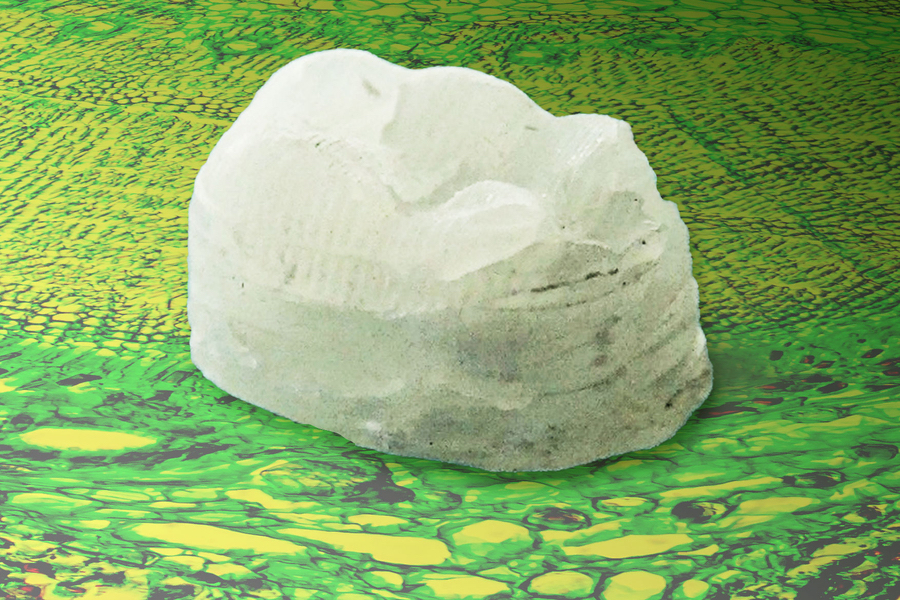
What is it? A research team at MIT created a new bio-based polymer that is more sustainable than plastic and as hard as aluminum.
Why does it matter? Next-generation composites could “give polymer-based materials mechanical properties they never had before,” said A. John Hart, MIT professor of mechanical engineering. “If we can replace some petroleum-based plastic with naturally derived cellulose, that’s arguably better for the planet as well.”
How does it work? Hart and his team mixed extremely strong cellulose nanocrystals (CNC) isolated from the cell walls of wood with a synthetic polymer. While previous attempts at creating such a mix were able to incorporate only small proportions of the natural nanocrystals, the MIT team achieved composites that were up to 90% CNC. They fed the resulting epoxy gel through a 3D printer and poured the rest into a mold. At a molecular level, the composite formed a brick-like structure as it dried, which made it highly resistant to cracking and as hard as metal. “If we were to dream big, we could replace a significant fraction of plastics with cellulose composites,” said Abhinav Rao, lead author of the research, published in the journal Cellulose.