The Vanguard
The 5 Coolest Things On Earth This Week



Breaking cancer’s defenses, transplanting immunity and mixed-reality medical school. This week’s coolest things tear down barriers to progress.
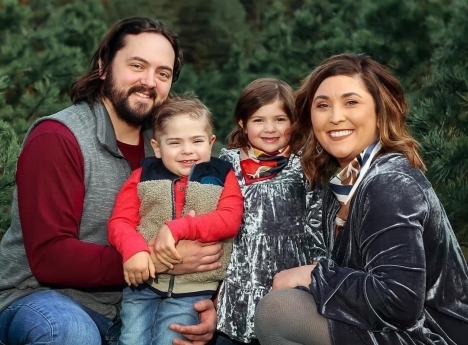
What is it? Stanford University pediatricians transplanted kidneys in three children with immune disorders, without the use of immunosuppressive drugs.
Why does it matter? The most common cause of failure after an organ transplant is donor rejection. Even after successful transplants, a lifetime of immunosuppressants increases the risk of diseases. “Safely freeing patients from lifelong immunosuppression after a kidney transplant is possible,” said Alice Bertaina, lead author of a report in the New England Journal of Medicine. The team hopes it might enable the same for other organ transplants in children and adults.
How does it work? In a two-step process, the doctors first obtained bone marrow stem cells from the donors — one of each child’s parents — and removed immune cells that tend to attack recipients’ bodies. They then transplanted the scrubbed bone marrow into the patients. After several months, the cells proliferated to give the patients new, functioning immune systems. At that point, doctors transplanted a kidney from the same parent, with little to no evidence of rejection.
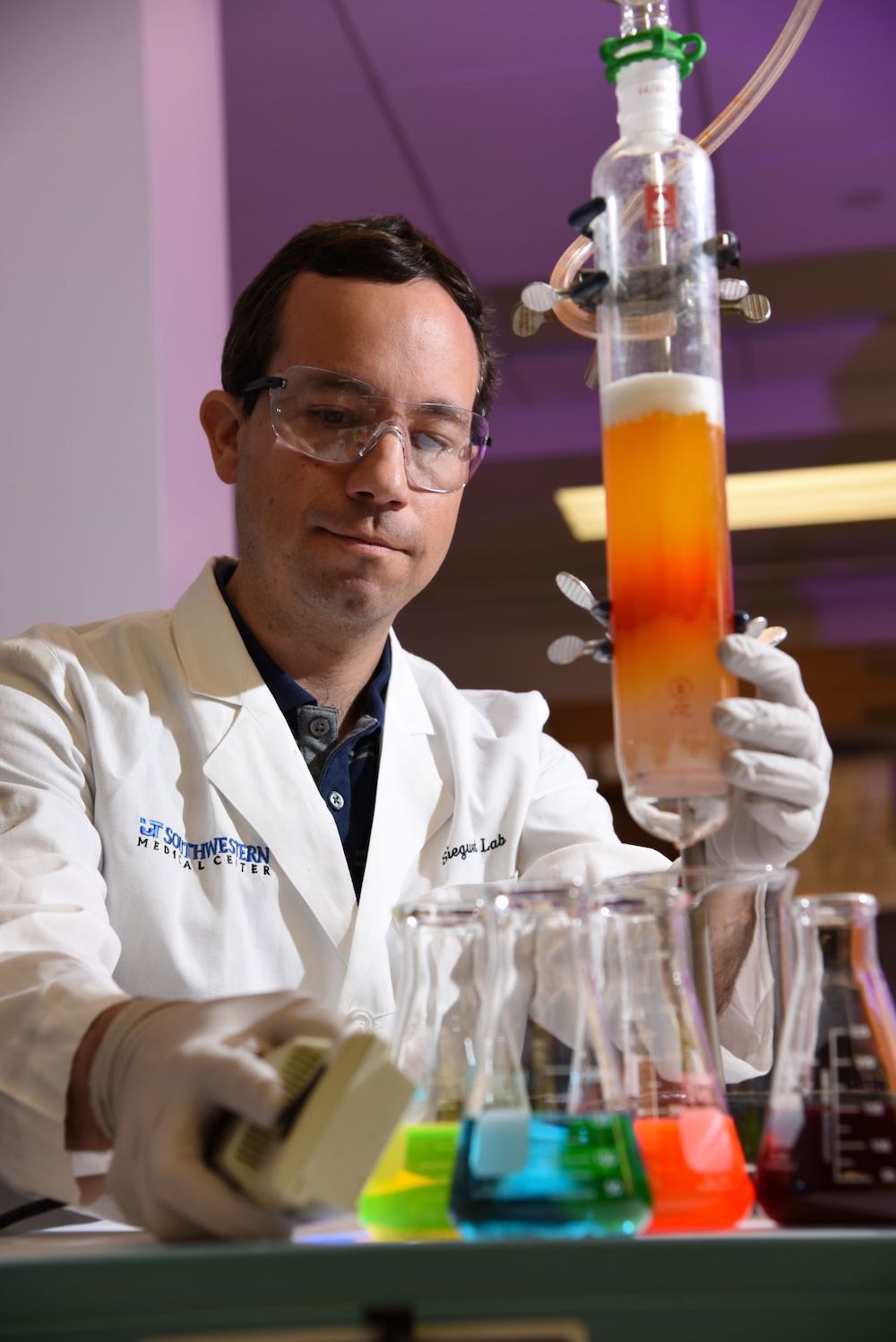
What is it? Researchers at the University of Texas Southwestern Medical Center found a way to penetrate cancer’s defenses against some treatments.
Why does it matter? The gene-editing tool known as CRISPR-Cas9 is a promising avenue for altering the genes that drive tumor growth. But tumors are surrounded by a molecular shield that is difficult to penetrate. “Although CRISPR offers a new approach for treating cancer, the technology has been severely hindered by the low efficiency of delivering payloads into tumors,” said Daniel Siegwart, leader of a study published in Nature Nanotechnology.
How does it work? The team targeted two genes that work to thwart cancer treatment. They loaded lipid nanoparticles with bits of genetic material to interfere with the first gene’s ability to hold together protective molecules that surround some tumors. They also loaded the nanoparticles with CRISPR-Cas9 machinery to turn off the other gene, PD-L1, that prevents immune cells from attacking cancer cells. The study showed that the defensive barrier was weakened by the treatment and more nanoparticles and immune cells infiltrated the tumors. In mice with ovarian or liver cancer, the treatment shrank tumors to one-eighth the size of control animals’ and the animals lived twice as long.
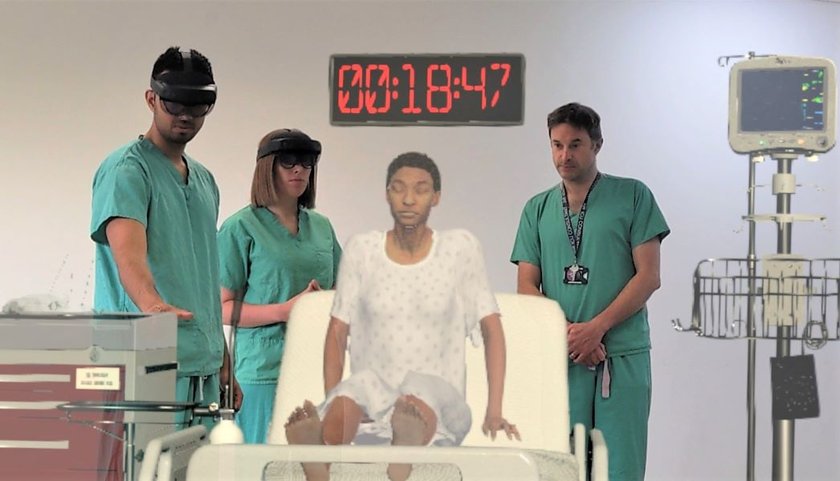
What is it? Doctors in the UK developed a holographic patient simulator for medical students.
Why does it matter? The HoloScenarios platform, being commercialized by L.A.-based GigXR, gives new doctors the opportunity to conduct realistic, risk-free simulated patient interactions live or online.
How does it work? Trainees wearing Microsoft HoloLens mixed-reality headsets can see one another as well as a hologram patient who can describe symptoms and interact with clinicians. Instructors can change the patient’s responses or introduce complications while other classmates observe remotely. Riikka Hofmann, at the University of Cambridge, is studying the technology. “We hope that [our research] will help guide institutions in implementing mixed reality into their curricula, in the same way institutions evaluate conventional resources, such as textbooks, manikins, models or computer software, and, ultimately, improve patient outcomes,” she said.
What is it? A University of Texas study found that adults who get flu shots are less likely to develop Alzheimer’s disease.
Why does it matter? Alzheimer’s affects more than 6 million people in the U.S., and rates of the disease are rising as the population ages.
How does it work? Earlier research suggests a correlation between vaccinations in adulthood and lowered risk of Alzheimer’s. Researchers from UTHealth Houston analyzed rates among nearly 2 million people 65 and over. They found those who had received a flu vaccine in the past four years were 40% less likely to develop Alzheimer’s. The effect was strongest among those who got a flu shot every year. “Future research should assess whether flu vaccination is also associated with the rate of symptom progression in patients who already have Alzheimer’s dementia,” said Avram Bukhbinder, lead author of a study in the Journal of Alzheimer’s Disease.
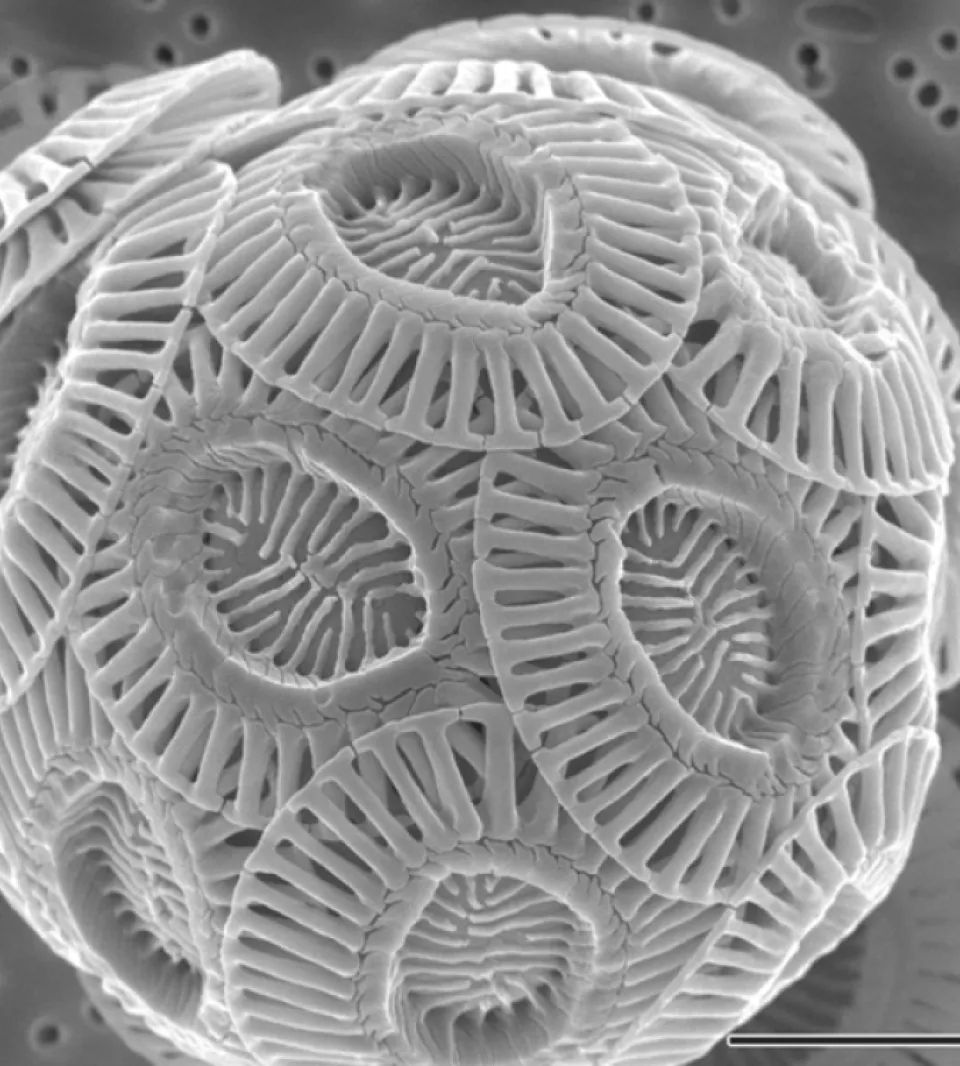
Photo at top: A scanning electron micrograph of a single coccolithophore cell, Emiliania huxleyi. Image credit: Wikimedia Commons/Alison R. Taylor, University of North Carolina Wilmington Microscopy Facility.
What is it? University of Colorado Boulder engineers are using microalgae to make carbon-neutral cement.
Why does it matter? Cement production is responsible for 7% of global greenhouse gas emissions. “We see a world in which using concrete as we know it is a mechanism to heal the planet,” said lead researcher Wil Srubar. “We have the tools and the technology to do this today.”
How does it work? Cement is part of concrete, the most-produced material on earth. Typically, it is made using limestone that is quarried and burned at high temperatures, releasing gigatons of carbon dioxide every year. The CU Boulder team aims to replace this limestone with calcium carbonate derived from photosynthetic microalgae called coccolithophores. This type of algae naturally produces the substance much like coral builds reefs, taking in carbon dioxide and storing it in the rock. Coccolithophores are easy to cultivate, and their products could be readily incorporated into existing cement production processes, Srubar said.