



FIGHTING CANCER
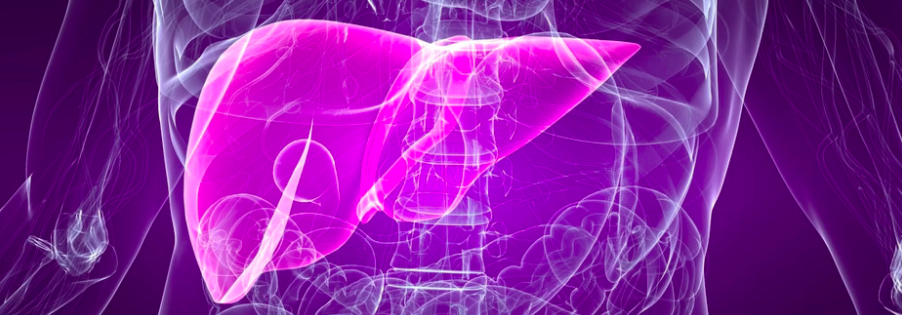
When Georgeann Jansson was diagnosed with primary liver cancer, she immediately met with an oncologist to determine the best course of action. “When I found out [the aggressive treatment] would only buy me a few months, I decided to ride it out and, if it was my time, to die,” Jansson said.
Changing the odds: At the advice of an acquaintance, Jansson sought a second opinion from radiologist Marcelo Guimaraes, who, she was told, had successfully used minimally invasive targeted therapies to treat cancer patients. She decided to undergo his recommended treatment. “No radiation, no chemo, in and out of the hospital.” The procedure took three hours, and Jansson was released from the hospital that day. One month later, an MRI showed the tumor was dead. Today, over a year since Jansson’s initial appointment with Guimaraes, her tumor remains under control.
Read more about the minimally invasive cancer treatment here.
GAME ON
Last week, at CIGRE, the International Council on Large Electric Systems’ biennial conference in Paris, GE Grid Solutions global technical training director Olivier Couderc showcased a new virtual reality training program for engineers doing grids maintenance.
Why train in VR? “For technical training purposes, [VR] is very efficient and can be applied worldwide,” Couderc said. It saves costs because not as many people need to take time out of their work schedules, and it eliminates expensive travel time because trainees can strap on a VR helmet from any room. Perhaps most important, training in VR is safe.
Read more about training in VR here.
150TH ANNIVERSARY OF HELIUM
Since helium’s discovery 150 years ago, scientists have made countless advances that improve lives around the world using the element’s unique physical properties. But helium is in limited supply — a problem Colorado State University senior researcher Christopher Rithner says we need to take very seriously.
Noble and necessary: Without helium, modern analytical tools used in fields such as medicine and astrophysics wouldn’t be possible. “There is simply no other material with helium’s unique properties available to us at this time,” Rithner said, calling it “vital in aerospace and defense technologies, high-tech manufacturing” and more. The medical imaging industry absolutely relies on the gas, especially for MRI imaging. And even cellphones require helium during the manufacturing process.
Read more about the importance of helium, its unique properties and how to conserve it here.
— VIDEO OF THE WEEK — 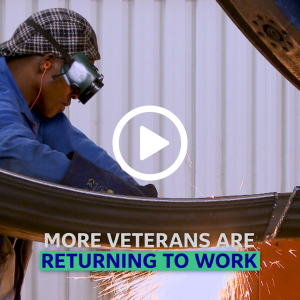
Our Junior Officer Leadership Program is giving veterans the opportunity to work on the latest tech and innovations.
— QUOTE OF THE DAY —
“Every day is a gift. I’m here and able to see a new day, and that is directly due to Guimaraes and his staff, their knowledge and dedication and the technology that kept me here.”
— Georgeann Jansson, cancer survivor
Quote: GE Reports. Images: Shutterstock.
Subscribe to The GE Brief here.