Empire Strikes: GE Scientists Studied Lightning Atop New York's Iconic Skyscraper



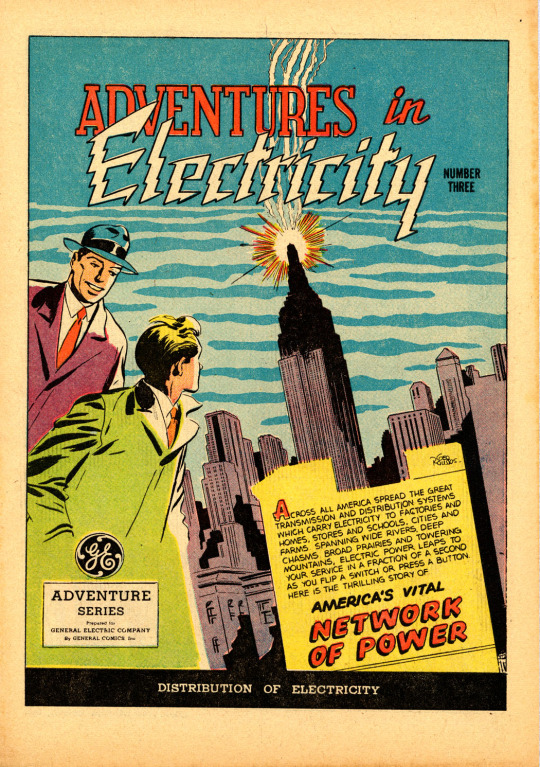
The National Oceanic and Atmospheric Administration estimates that if a person lives to be 80, the chances of her or him being struck by lightning in the U.S. are 1 in 3,000. (The odds of winning Powerball are 1 in 292,000,000.) Lightning strikes kill 30 Americans on average every year. In the 1920s, GE set up the High Voltage Engineering Laboratory in Pittsfield, Mass., to study lightning. The work included a “special project” exploring the phenomena from a room on the 102th floor of New York City’s Empire State Building - see the video below. The skyscraper still gets struck 100 times per year, on average.
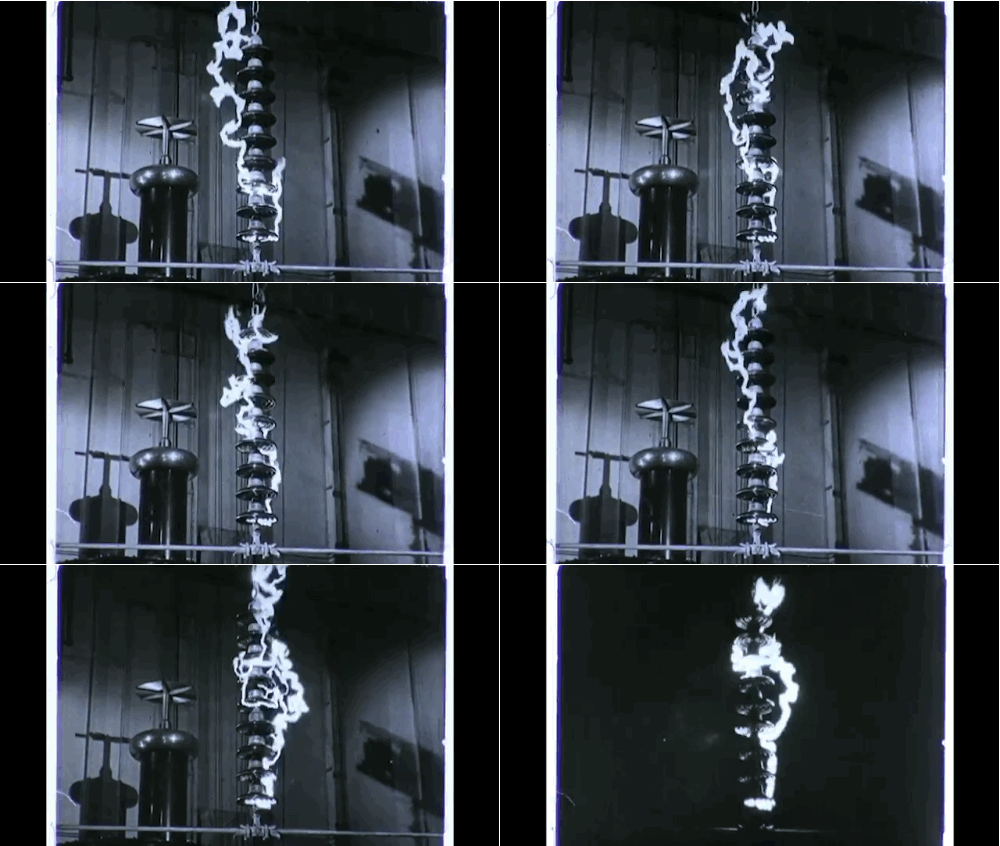
GE even built a million-volt lightning generator in 1922, studying for the first time the effects of lightning strikes and power surges on electrical systems in a controlled laboratory setting, says Chris Hunter, curator of the GE collection at the Museum of Innovation and Science in Schenectady. Take a look at the history.