Magnetic Brain Stimulation for Treating Depression Attracts GE Investment



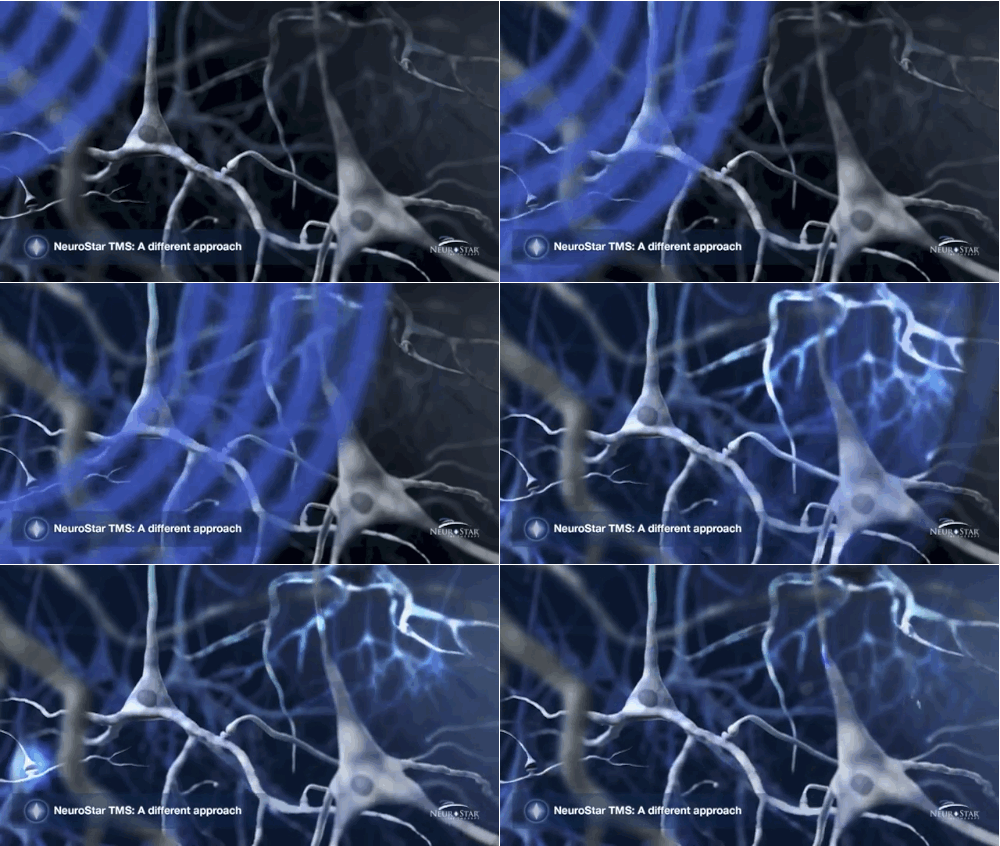
The team at Neuronetics pursued a non-invasive technology called “transcranial magnetic stimulation,” or TMS, which uses a small but powerful magnet to deliver electromagnetic energy to the brain tissue through the skull. The U.S. Federal Drug Administration approved its NeuroStar TMS Therapy in 2008, and the company has since become the leader in the field.
On Monday, Neuronetics received $34 million in new investment from GE Ventures and its existing investors. The money will help the company expand the availability of treatment and support more research, including new applications focused on young patients suffering from major depressive disorder (MDD).
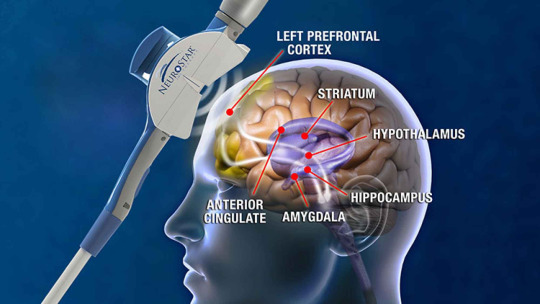
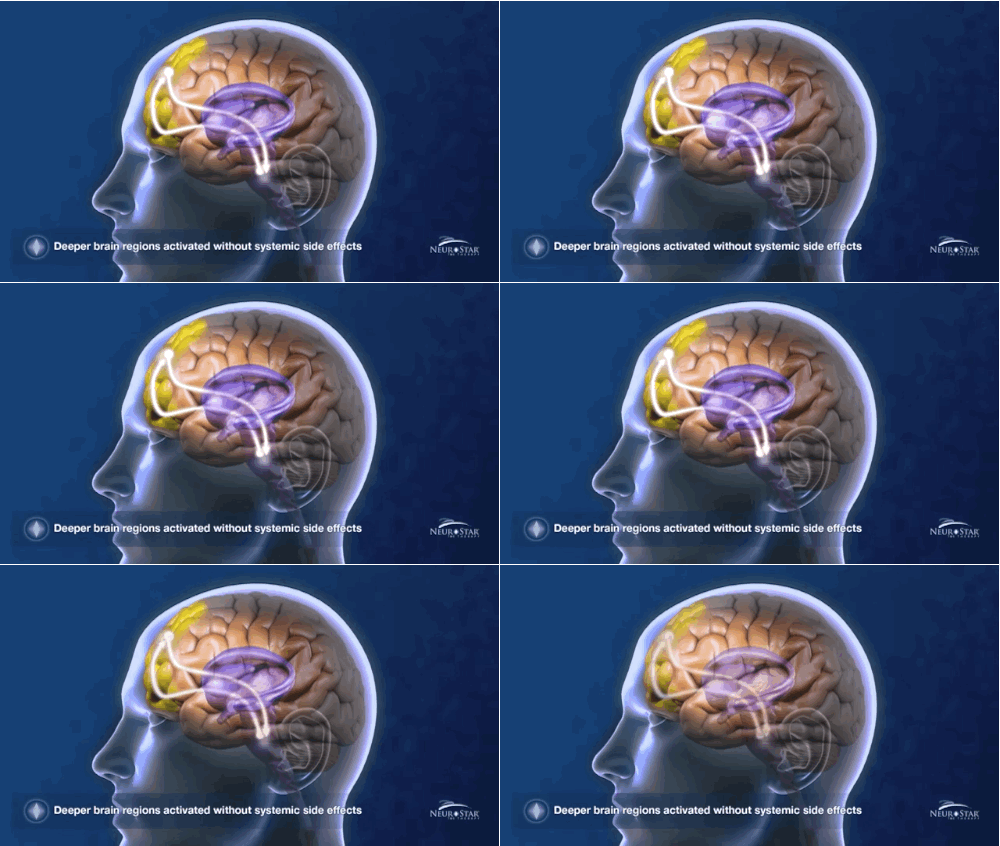
TMS sends targeted magnetic pulses produced by an electromagnetic field - similar to Magnetic Resonance Imaging (MRI) - into the left prefrontal cortex of the brain. The energy induces the neurons in the brain to fire, release neurotransmitters like dopamine and activate deeper regions in the brain. Neuronetics says the resulting increase in normally occurring neurotransmitters as well as an increase in blood flow and glucose metabolism in the activated regions “is thought to result in improved mood.”
“The investment is a good fit for GE,” says Leslie Bottorff, managing director for healthcare investing at GE Ventures. “GE scientists and engineers are heavily involved in brain science through research and innovation challenges with partners like the NFL, developing advanced tools to help patients with neurologic conditions. This non-invasive therapy is a nice complement with those efforts.”
This is not the first time that GE Ventures is backing a non-invasive brain technology. In 2013, it invested in the Israeli company HeadSense, which developed a set of disposable ear buds that allow doctors to monitor intracranial pressure without drilling holes in the skull. GE Ventures also invested in Ornim, a company that non-invasively monitors cerebral blood flow and delivery in the brain.
GE’s Healthcare business alone plans to invest $500 million in neurological disorder research between 2010 and 2020. Learn more about what’s next in the brain and listen to GE’s latest brain health podcast.
Image and GIF credits: Neuronetics