



February 19, 2019
PLANES FUELED BY DATA
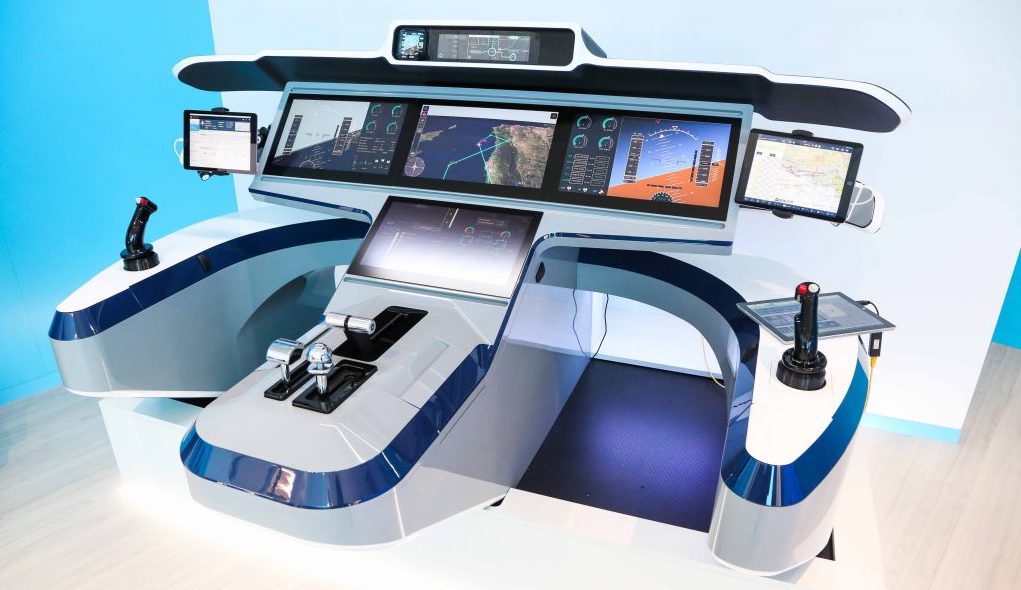
Today’s airlines are sitting on a pile of riches: the data generated by the planes they send around the world all day, every day. That’s information that can be tapped to make flying safer, more profitable and more efficient while reducing fuel usage and carbon emissions. For instance, FlightPulse, a data and analytics app developed by Qantas and GE Aviation, allows pilots to measure fuel use during every stage of a flight. But there’s still plenty of opportunities for data to make airlines smarter — and that’s the talk of the town this week in Dallas, where industry players are gathering for GE Aviation’s annual Waypoint digital aviation conference.
Big data takes flight: Attracting more than 500 participants from airlines, the military and other sectors, Waypoint illustrates how much digital technologies are changing aviation. While passengers purchase everything from tickets to in-flight sandwiches by tapping on digital screens, there’s still a lot more work to do behind the scenes, where companies like GE Aviation are developing new ways to analyze passenger, supply chain, maintenance and financial information and zero in on critical operating issues. “Every airline wants to fly all of the flights it has scheduled,” said Jon Dunsdon, GE Aviation’s chief technology officer for digital. “Stuff will happen — weather, crews, air traffic control strikes. The challenge is, how do you work through those issues while running as optimally as possible?”
Didn’t make it to Dallas? Keep an eye on GE Reports for the latest dispatches, starting here.
QANTAS LEAP
When it comes to harnessing the power of data, FlightPulse is just the beginning of the journey for Qantas and GE Aviation. The results are already impressive: In use by more than 2,400 Qantas pilots, the analytics app has helped the airline significantly reduce fuel burn and carbon emissions. Now the companies are expanding their collaboration with digital tools aimed at improving safety, training and operational decision-making.
Sky’s the limit: The next iteration of FlightPulse will help pilots before takeoff: They’ll be able to see historical data about their routes from previous flights — learning about safety-related issues at specific runways, for instance, or conditions that have prevented pilots from achieving cruise altitude, thus forcing them to burn more fuel. The FlightPulse development team is also working with Qantas pilots to identify other aviation needs, with the goal of empowering the entire industry with a software toolkit that can generate precious insights. “We want to help our customers understand what’s possible in terms of flight data analytics and how to get value in the data that they previously might not have even known existed,” said John Mansfield, chief digital officer for GE Aviation.
GE engines also powered Qantas’ inaugural nonstop flight from Australia to Europe — its longest direct route. Learn more here about this high-flying partnership.
PRESIDENTS DAY SPECIAL
Before he took up residence in the White House — or even moved into the California governor’s mansion — then-actor Ronald Reagan lived with his family in a brand-new “all-electric” hilltop home in Pacific Palisades, California. For eight seasons starting in 1954, Reagan hosted “General Electric Theater,” a nationally broadcast tech-focused TV show that found the future president crisscrossing the country reporting on everything from jet engines to the future of electricity. As part of GE’s Live Better — Electrically marketing campaign, the Reagan abode served as a model home in several episodes, “pointing the way to the electrical future.” “The real thrill comes with sundown when the lights come on,” said his wife and future first lady, Nancy Reagan.
Electrify one for the Gipper: Reagan’s partner on the show was “progress reporter” Don Herbert, creator and host of “Mr. Wizard.” Over the years, the pair visited more than 130 GE labs and factories, and by 1956 “General Electric Theater” was the third-most popular show on American television, reaching more than 25 million viewers each week. It appealed even to the curmudgeons at The Boston Globe, who offered that “apparently the people at GE assume that we are not idiots and are interested in some intelligent facts about their company and its work. It won’t start a trend but we thank them anyway.”
Times change, but “assuming you’re not an idiot” remains central to the GE Reports mission. Click here for more intelligent facts about Ronald Reagan’s electrifying turn on TV.
COOLEST THINGS ON EARTH
1. Whisper Campaign
MIT researchers devised a way to use lasers to send quiet, targeted messages directly to the ear of the intended hearer. The technology could be used for spycraft, in super-targeted advertising, and a myriad of other applications.
2. Food For Thought
Scientists have discovered how to engineer food crops to be more efficient at photosynthesis with an increase in their productivity by 40 percent. The technique could help unlock enough calories to feed hundreds of millions of people.
3. Cell Help
A drug cocktail created at Penn State can help turn the cells next to damaged neurons into functioning new neurons. Since neurons don’t regenerate after brain damage, the drugs could help treat Alzheimer’s, stroke or brain injury.
Read more about this week’s Coolest Things on Earth here.
— QUOTE OF THE DAY —
“Aviation as an industry has a lot of digital data. But there’s a real challenge around bringing that data together and making the most of it.”
— Jon Dunsdon, chief technology officer for digital technologies at GE Aviation
Quote: GE Reports. Image: GE Aviation.
ENJOY THIS NEWSLETTER?
Please send it to your friends and let them know they can subscribe here.