



April 23, 2020

THE NEW NORMAL
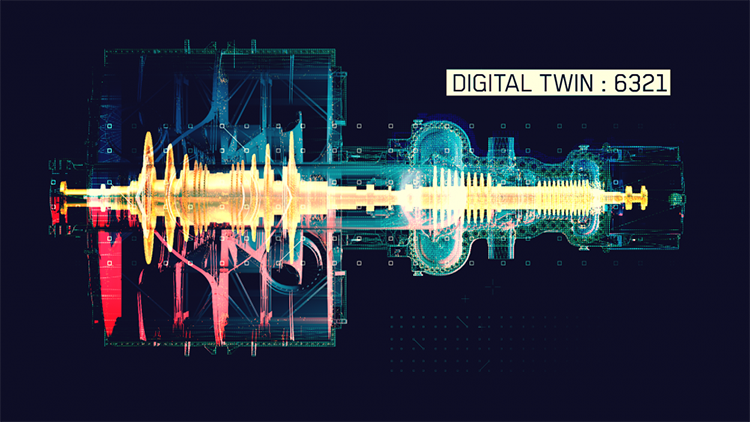
In 2019, Pat Byrne became CEO of GE Digital, which builds software applications for the industrial internet of things. Digging into the work, Byrne and his team visited customers in manufacturing, power generation and other sectors to help them learn from the data their machines, power plants and factories were producing. Even in normal times, such digital capabilities are invaluable: Data analysis can help predict the need for maintenance, for instance, before it arises. And it’s proving especially useful as the world grapples with the wide-reaching effects of the COVID-19 pandemic. In a recent interview with GE Reports, Byrne explained how.
Remote control: “Everybody’s in this massive adjustment all of a sudden,” Byrne said. “They didn’t have time to plan for this.” But not planning on it isn’t the same as being unprepared for it. Part of what Byrne and his colleagues offer is software that enables workers to, say, monitor a municipal water treatment plant from a laptop on a virtual private network. The ability to be agile set them in good stead as more workers were asked to work from home, and it should help them manage operations into the future, Byrne said: “The longer this situation lasts, the more demand there will be on connected machines, artificial intelligence, machine learning, business analytics and other tools that allow business processes to be optimized and improved. And the better these systems get, the more they will become the new normal.”
Read more here.
HEALTHCARE AFTER COVID
While Byrne and his team are helping industrial customers keep their operations shipshape, Kieran Murphy is focused on workers who can’t stay home: He’s the CEO of GE Healthcare, which has ramped up production to get vital equipment to the healthcare workers treating patients affected by COVID-19. “We are fighting the battle of our lifetime,” Murphy writes in a new op-ed in Barron’s. It’s changing the way GE Healthcare is doing business now. Among its many efforts, the company has doubled its output of ventilators, with plans to double it again by the end of June. But Murphy thinks the current crisis also provides a lot of lessons for healthcare in the future — and opportunities, too.
What’s next: “Once this pandemic abates, the healthcare industry will look very different from today — but this industry will only get stronger from our experience,” he writes. “COVID-19 has highlighted the need to build and truly invest in and scale a new digitalized infrastructure — and quickly.” Among other things, that means software solutions like GE Healthcare’s Clinical Command Center technology, which harnesses data and artificial intelligence to make sure that life-saving hospital resources, like ICU beds and ventilators, are available for the patients who need them. That technology’s already been adapted to the needs of clinicians fighting COVID-19 in Oregon, where 64 hospitals are using it to coordinate their efforts. “Data, analytics, AI, and connectivity will only become more central to delivering care,” Murphy writes.
Read Kieran Murphy’s piece in Barron’s here.
TAKING OFF
Aviation, too, could look a lot different in the future. The coronavirus pandemic has hit the industry hard, leading to empty airports, canceled flights and disrupted balance sheets for carriers the world over. That market turbulence might point to a new way of doing business, though, speeding the adoption of data and digital systems across the industry. Airlines “have an incredibly valuable asset today that is not being fully tapped into,” said Andrew Coleman, chief commercial officer for GE Aviation’s digital group (GEAD). “That asset is their data, and it is ready for the taking to make much more insightful and effective decisions.”
When the clouds lift: GE Aviation has long played a key role in analyzing flight data, and some of its technologies are helping carriers right now. With fewer planes taking to the sky, for instance, does it make sense to ground one that’s older and less fuel-efficient — but that has an excellent service record? Coleman’s business developed EMS (for Event Measurement System) to crunch data like that and suss out subtle patterns to get insights into a plane’s actual performance over time. And as carriers increase operations again, data-crunching software can help them fill seats while still adhering to physical distancing measures. Today, such software solutions are helping pull airlines through a turbulent patch — but we’re seeing, too, how data could reshape the future of the industry.
Learn more here.
— QUOTE OF THE DAY —
“This pandemic has been a human and public health crisis, and we all want to see the suffering end and the crisis pass. This will likely take some time. In the meantime, we can stay safe and serve customers and innovate to create a better future for employees and customers. In the long term we will be stronger.”
— Pat Byrne, CEO of GE Digital
Quote: GE Reports. Image: GE Digital.
ENJOY THIS NEWSLETTER?
Please send it to your friends and let them know they can subscribe here.