



April 16, 2020
PATIENT TRACKER
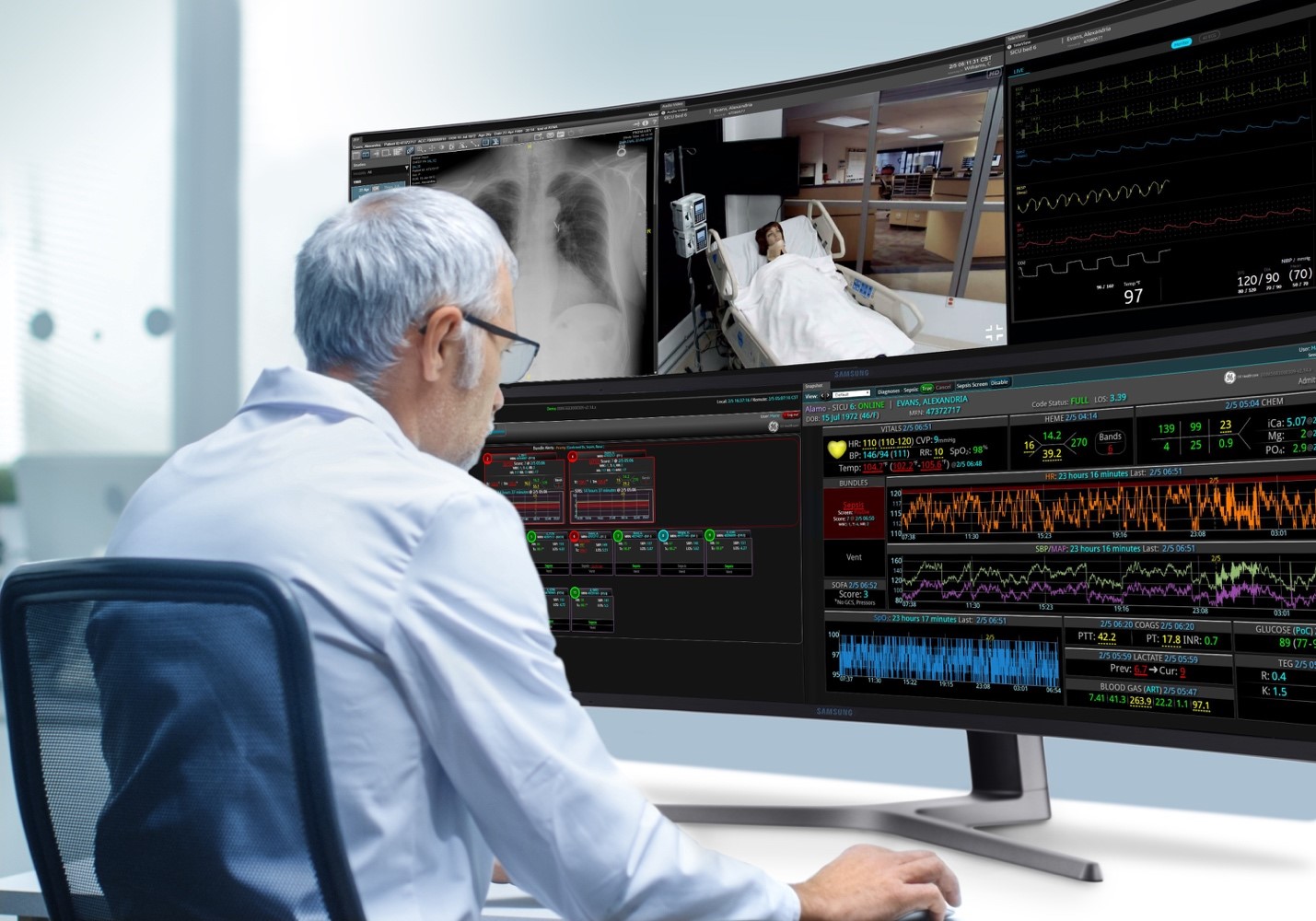
Keeping close tabs on patient progress is a necessary part of hospital care. But frequent bedside visits during the COVID-19 pandemic come accompanied with new tasks, like donning masks and other personal protective equipment. Some medical workers have been reportedly devising clever workarounds, such as using baby monitors to observe patients remotely. Sadiq Syed, general manager of GE Healthcare’s clinical care solutions segment for clinical software and informatics, knew there had to be a better way. In fact, he helped develop one: Mural Virtual Care Solution, which launched last July, allows doctors and nurses to monitor the near real-time status of numerous intensive-care patients in one place. Syed and his team realized that they could quickly adjust the Mural software to focus on the most critical COVID-19 metrics, like vital signs and ventilator data — and they hustled to make it available to hospitals.
Eyes everywhere: Normally a project of this magnitude would take weeks. But GE Healthcare partnered with Microsoft’s cloud unit, Azure, to roll out the COVID-19-specific software in just days. “We had a call on a Sunday with the Microsoft leadership team, and we had the proof of concept deploying in the cloud on Thursday,” Syed said. The technology allows clinicians to include in their decisions data coming in near real-time. “That enablement is almost like a cockpit in a plane, helping the plane fly safely,” Syed said.
GE Healthcare is giving out free Mural subscription licenses through January 2021. Learn more here.
EUROPE POWERS ON
Like much of the rest of the world, Munich was in lockdown in late March. Certain exceptions applied, though, and one day residents opened their windows to see a new addition to their community rolling down the street, bearing a message in German: “Hello, Munich,” read a banner attached to it. “I am the new turbine, and I am driving the energy transition forward.” This massive machine was indeed a new turbine — specifically, GE’s 9EMax, which squeezes out more megawatts while using less natural gas than its predecessors. Moving a 215-ton machine across Europe is a logistical challenge even in normal times. The COVID-19 pandemic made that job even harder.
Special delivery: For starters, GE had to ensure the safety of its workers and the transport team, who had to stay six feet apart at every possible turn during its journey from France to Germany. Once the turbine reached the edge of Munich, it took two days to cover a route that a car could drive in an hour. But getting it there on time was important: This 9EMax and another just like it will form the new heart of the Stadtwerke München station, which will help Germany get its electricity chiefly from renewables by 2050. In the absence of grid-scale batteries, Germany and other countries rely on power plants that burn cleaner natural gas to fill gaps in the renewable energy picture: to keep the lights on when the wind is not spinning the turbines and solar arrays have stopped picking up sunlight. Due to the pandemic, there was no celebration when the turbine made it safe and sound to its destination. But no matter — the machine had work to do.
Learn more here about the very long voyage of one very big machine.
— QUOTE OF THE DAY —
“A higher ratio of patients can be monitored, and you don’t have to go into the patient’s room every time to check device settings.”
— Sadiq Syed, general manager of GE Healthcare’s clinical care solutions segment for clinical software and informatics
Quote: GE Reports. Image: GE Healthcare.
ENJOY THIS NEWSLETTER?
Please send it to your friends and let them know they can subscribe here.