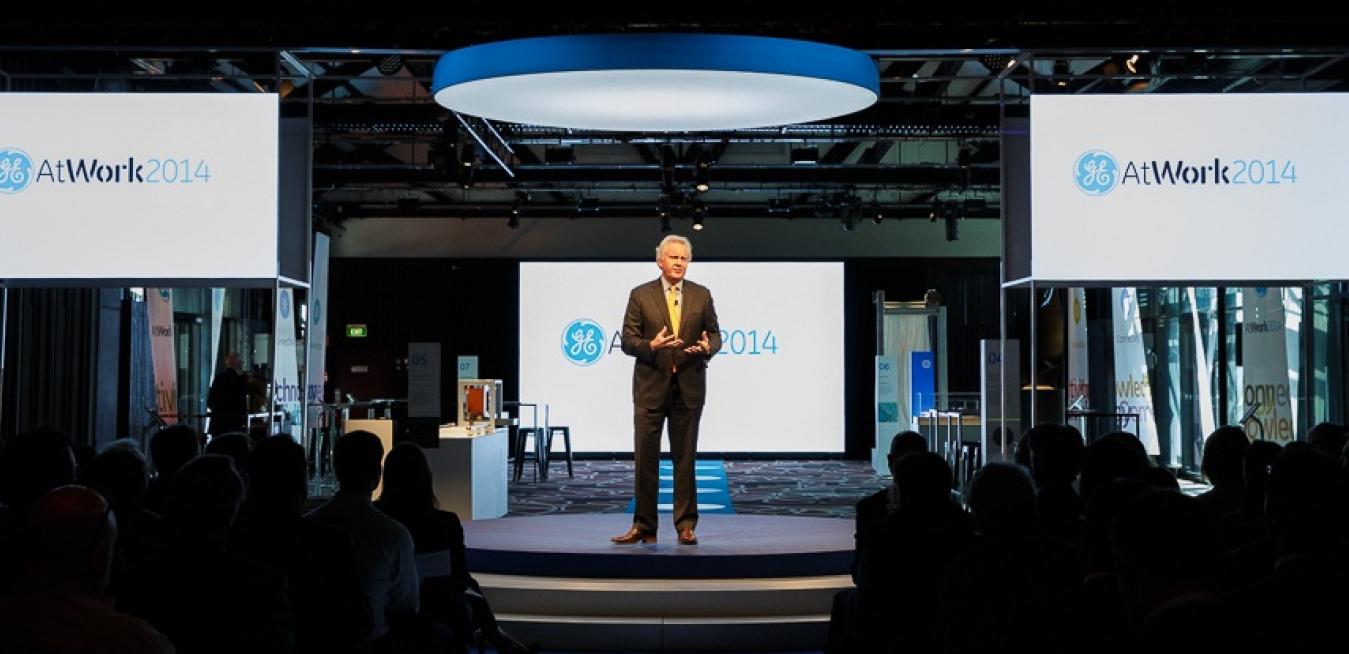
Nine ways to thrive in the transformation era


A series of thought-provoking talks held during At Work 2014 showed us how business as usual is anything but.
Here are nine things we learned at At Work 2014:
1. Don’t be afraid to own the next big thing
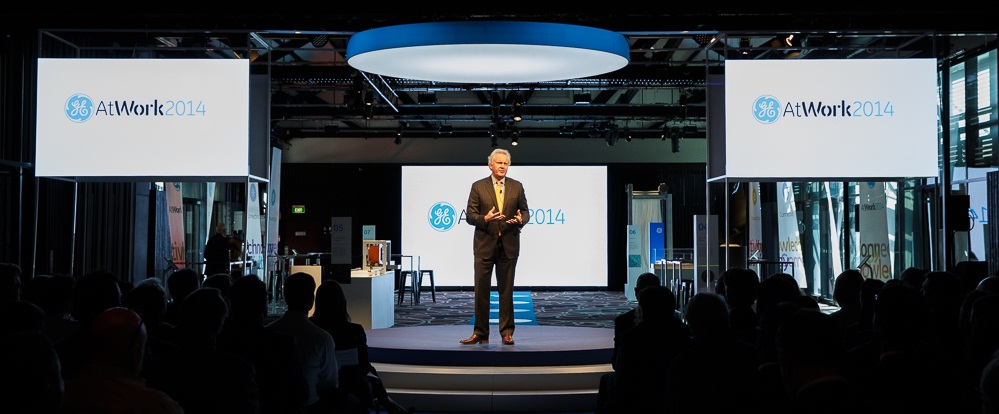 Jeff Immelt, Chairman and CEO at GE.
For GE, that means merging the physical and analytical worlds. The aviation sector is saving millions each year thanks to the Industrial Internet, which utilises data from sensors and analytics to help improve airplane fuel efficiency.
“If you go to bed at night thinking you are an industrial company, you are going to wake up the next morning as a software and analytics company.”
2. Companies don’t change, people change.
 Steve Vamos, non-executive director at Telstra, “There is nothing you are good at today that you didn’t stuff up for considerable periods of time.”
3. Technology can unlock secrets in the brain
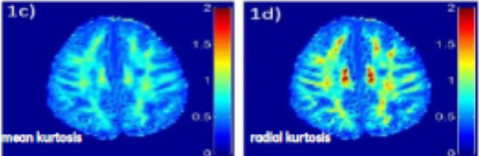 Dr Sam Gandy, Director, Centre for Cognitive Health and NFL Neurological Care Mount Sinai Hospital, is pioneering research into Alzhemiers and Chronic Traumatic Encephalopathy, CTE.
In just the last two years research has developed so much that we are able to better understand the risks facing athletes suffering from concussions, and who is at greater risk for dementia.
4. Why Art vs Science should be Art + Science
 Ayesha Khanna, editorial director of The Economist’s Look Ahead Series, says the arts and creativity will also play an increasingly important role in this development.
The opportunity for society at large is to encourage more young people to enrol in STEM education courses – the outcomes of which will lead to stronger, more competitive businesses.
“Ideas are the scarce resource in the world, scarcer than capital and labour,” she said. “Your most important resource is human capital.”
5. From a ‘break-fix’ model to a ‘predict and prevent’ model
 Mark Sheppard, CIO, GE Australia and NZ, says industries will benefit from greater investment in real-time data analytics that will drive productivity in key sectors like aviation, energy, and mining.
“Intelligent solutions come from prior knowledge, historical data, and experiential learning,” he said.
6. Listen, the Data is trying to tell you something
 Enrico Coiera, Director of Health Informatics, University of NSW, who’s using powerful analytics and research technologies to solve big challenges in the health sector. His research has uncovered that the data shows that our health system could do a better job of following up on test results, timing hospital discharges, and even how we treat patients on the weekend.
7. Disruption happens
 David Rohrsheim, General Manager at Uber Australia, said disruption is bound to happen when you have industries that are highly regulated, there are big profits, and there is little consumer choice or flexibility. Technology will usually find a better way to serve the market and before you know it… you’ve been disrupted.
Uber is now is growing by listening to its customers and developing new solutions that meet their needs to stay ahead of next big disruption. In particular, it’s focused on improving safety, convenience and lowering costs.
8. There is no such thing as wasted R&D spend
 Boeing
History is littered with failed research projects. The lesson from Maureen Dougherty, President of Boeing Australia & South Pacific, is that R&D spending is rarely wasted.
Innovation is incremental, and technology and lessons from cancelled research projects inevitably finds its way into new products.
Boeing cancelled a project to develop a high-speed plane called the Sonic Cruiser after oil prices spiked and 9/11 affected airline travel.
“Was that a waste to work on the sonic cruiser? No, it helped them learn about lightweight composites and engine technology that ended up in the 787 Dreamliner.”
9. Invest in tools and technology to do your job better and faster
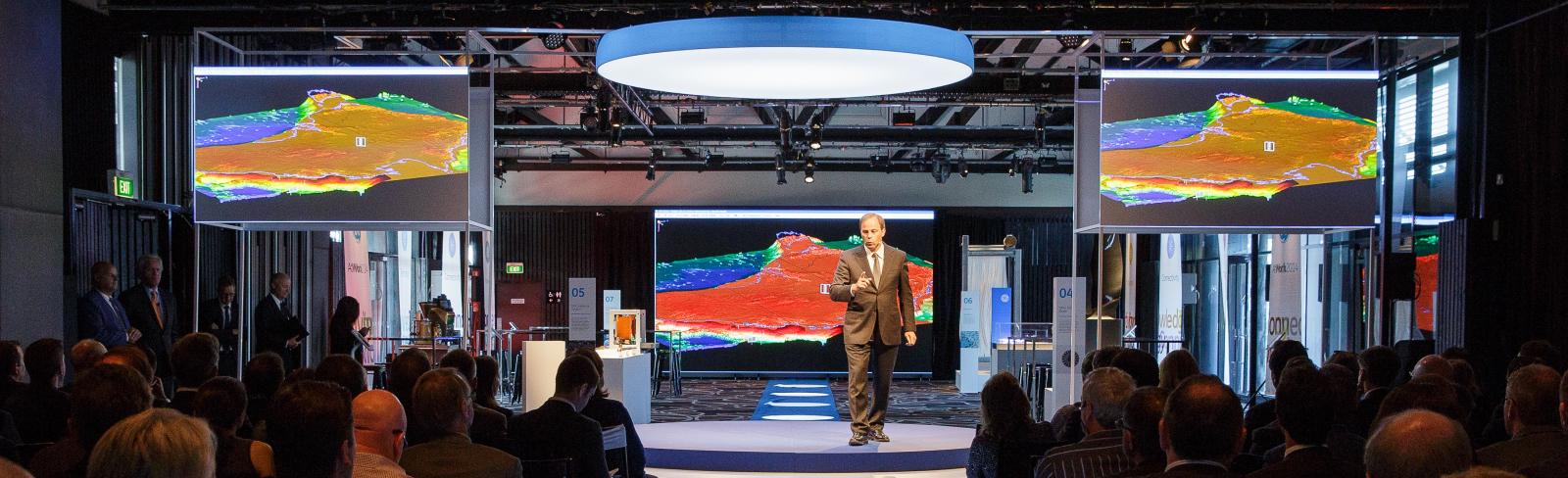 David Knox, CEO at Santos said the oil and gas giant is using a powerful computing platform to analyse, map and visualise subterranean landscapes.
Now anyone in the company with a smartphone can manipulate complex visual images.
Workers out in the field now have access to the same powerful platforms as analysts back in the office, which in turn is helping it make better decisions about gas mining operations.
Watch all the At Work 2014 talks.
4. Why Art vs Science should be Art + Science
Ayesha Khanna, editorial director of The Economist’s Look Ahead Series, says the arts and creativity will also play an increasingly important role in this development.The opportunity for society at large is to encourage more young people to enrol in STEM education courses – the outcomes of which will lead to stronger, more competitive businesses.
“Ideas are the scarce resource in the world, scarcer than capital and labour,” she said. “Your most important resource is human capital.”
5. From a ‘break-fix’ model to a ‘predict and prevent’ model
Mark Sheppard, CIO, GE Australia and NZ, says industries will benefit from greater investment in real-time data analytics that will drive productivity in key sectors like aviation, energy, and mining.“Intelligent solutions come from prior knowledge, historical data, and experiential learning,” he said.
6. Listen, the Data is trying to tell you something
Enrico Coiera, Director of Health Informatics, University of NSW, who’s using powerful analytics and research technologies to solve big challenges in the health sector. His research has uncovered that the data shows that our health system could do a better job of following up on test results, timing hospital discharges, and even how we treat patients on the weekend.7. Disruption happens
David Rohrsheim, General Manager at Uber Australia, said disruption is bound to happen when you have industries that are highly regulated, there are big profits, and there is little consumer choice or flexibility. Technology will usually find a better way to serve the market and before you know it… you’ve been disrupted.Uber is now is growing by listening to its customers and developing new solutions that meet their needs to stay ahead of next big disruption. In particular, it’s focused on improving safety, convenience and lowering costs.
8. There is no such thing as wasted R&D spend
BoeingHistory is littered with failed research projects. The lesson from Maureen Dougherty, President of Boeing Australia & South Pacific, is that R&D spending is rarely wasted.
Innovation is incremental, and technology and lessons from cancelled research projects inevitably finds its way into new products.
Boeing cancelled a project to develop a high-speed plane called the Sonic Cruiser after oil prices spiked and 9/11 affected airline travel.
“Was that a waste to work on the sonic cruiser? No, it helped them learn about lightweight composites and engine technology that ended up in the 787 Dreamliner.”
9. Invest in tools and technology to do your job better and faster
David Knox, CEO at Santos said the oil and gas giant is using a powerful computing platform to analyse, map and visualise subterranean landscapes.Now anyone in the company with a smartphone can manipulate complex visual images.
Workers out in the field now have access to the same powerful platforms as analysts back in the office, which in turn is helping it make better decisions about gas mining operations.
Watch all the At Work 2014 talks.