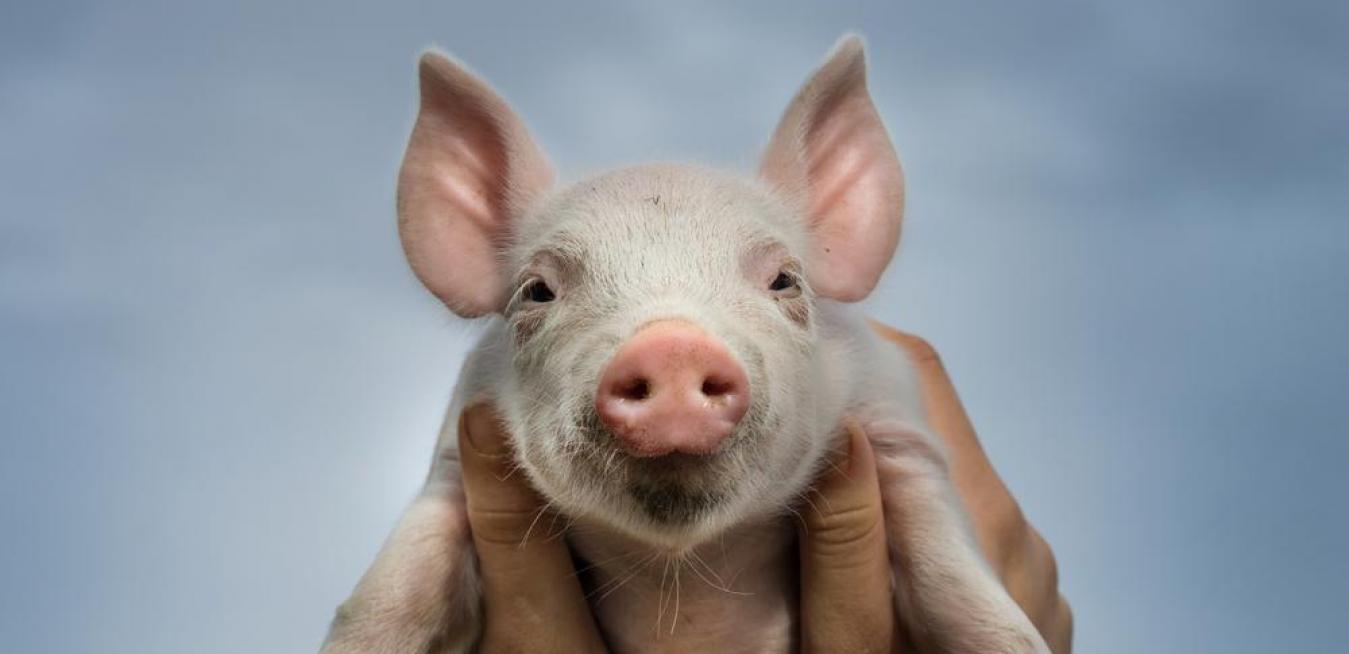
From gross to grid: How innovation is turning waste into electricity



All over the world, students, researchers, farmers and DIY enthusiasts are looking for creative ways to turn what they have into renewable energy to use, and share back with the rest of the grid.
Here are some of the more surprising places Australians have found sources of power.
Bacteria batteries
 solution to the world’s biggest problems according to PhD student Krishna Venkidusamy, who works with the Cooperative Research Centre for Contamination Assessment and Remediation of the Environment. Miss Venkidusamy has invented a technique which employs billions of bacteria to clean groundwater contaminated with petrol, diesel and other hydrocarbons. She then employs a specially designed reactor to convert energy released during the cleaning process into electricity.
“To charge these ‘bacterial batteries’ we pass contaminated groundwater through a reactor, which contains a series of electrodes and billions of bacteria,” explains Miss Venkidusamy. “As the bacteria eat the waste material and produce electrons, this charge is conducted through the reactor to generate power.”
Energy nuts
 Bundaberg Sugar buys 2000 tonnes of these hardy, hot-burning shells from neighbouring agribusiness Pacific Gold Macadamias to use in place of coal in its sugar refinery.
From Cow Power to Pig Power
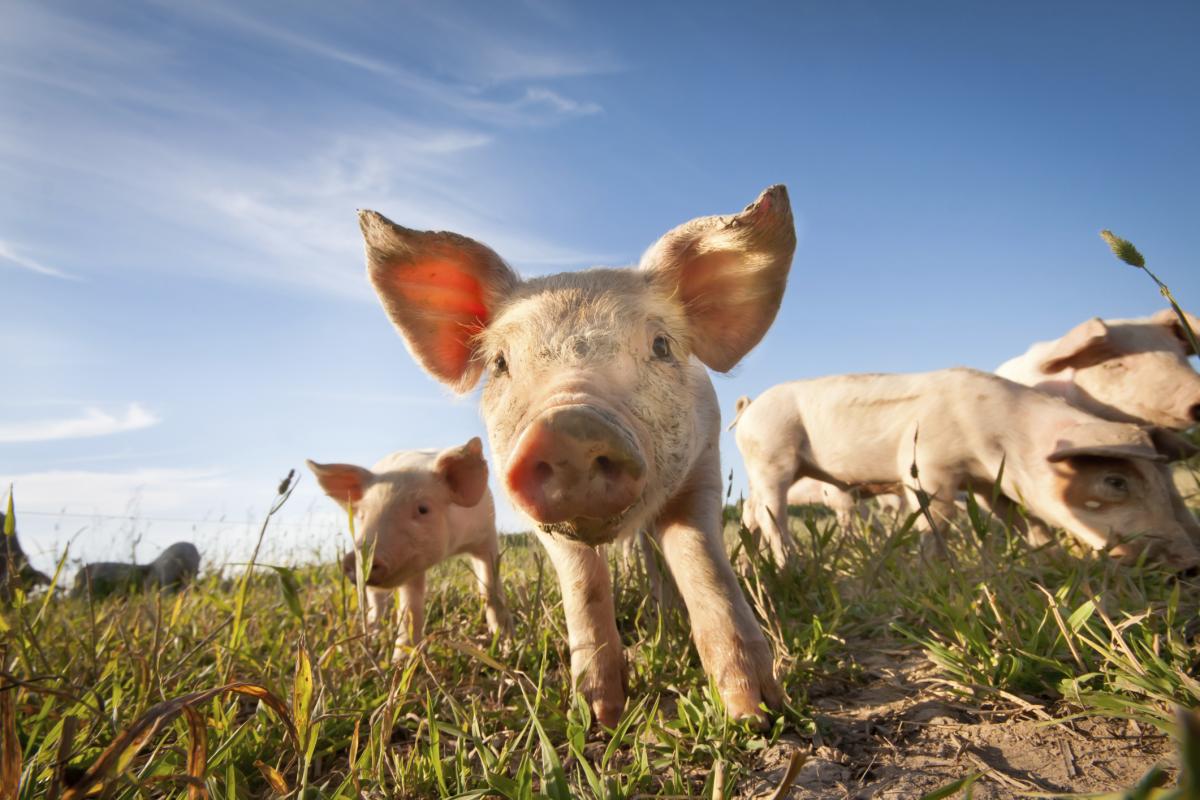 turn effluent from 440 cows into enough electricity to power 60 homes, is now providing agribusinesses around Australia with power to run dairies, abattoirs and whole towns. And it’s not just cows that are providing an inexpensive and readily renewable source of electricity; pigs are also getting in on the act. According to research from the Pork Cooperative Research Centre more than 30 per cent of the nation’s piggeries will be creating their own electricity from pig effluent by 2020.
A range of different biogas capture and conversion technology is being used for direct heating via hot water, or for combined heat and power which can be used on-site or exported to the grid. In most cases biogas projects provide a significant positive return on investment within 10 years, and on-site biogas capture and conversion reduces agribusiness emissions by as much as 60-80 per cent.