Turning natural gas into liquid assets



That was the topside of Chevron Wheatstone’s natural gas platform on its two-week journey from the construction yards of South Korea to the Pilbara coast, off Western Australia.
Once engineers had manoeuvred it into place on the 23-storey steel gravity structure which had previously been shipped and then anchored to the seafloor, 440 specialised workers began swarming, applying their engineering and operational skills for final hook-up and commissioning of Chevron’s biggest-ever gas platform.
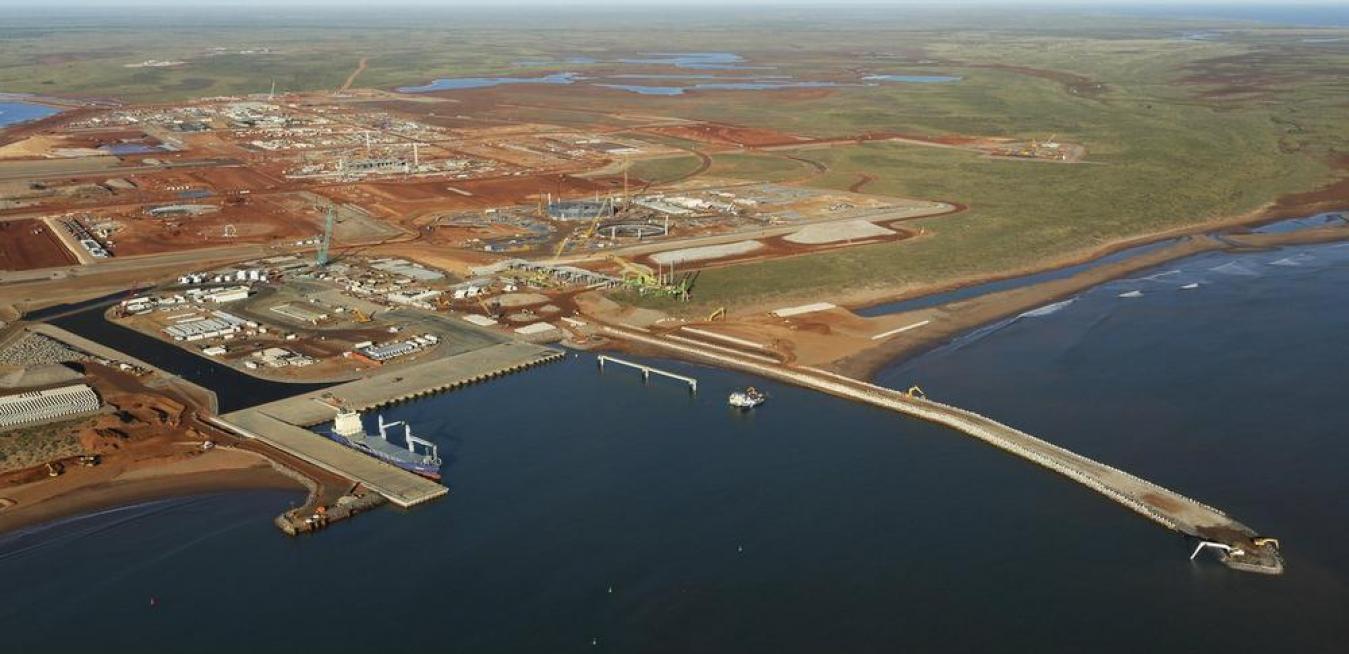
The construction of the incredible infrastructure that forms the $29 billion Chevron Wheatstone project is documented in this video, produced by The West Australian in collaboration with GE, as part of the Empowering Innovation series.
Twelve years after the Wheatstone gas field was first discovered, the vast network of subsea and land-based machines, pipes and GE turbine-driven processes that will extract natural gas and turn it into liquefied natural gas for export is now more than 65% complete.
GE recently entered into a long-term service agreement that will help Chevron squeeze every gram of value from its mass of machine-based assets. Project management, inventory storage, preventive maintenance and obsolescence management are among the services to be provided, in a comprehensive package that utilises GE’s Industrial Internet infrastructure and analytical and reporting software.
“Lower commodity prices and continued market volatility present an opportunity for businesses to invest in technology to help them get the most out of their assets,” says Mary Hackett, regional director, GE Oil & Gas, speaking from GE’s purpose-built Jandakot facility south of Perth, which opened in 2012 to provide services, training and support to the oil and gas industry.
“Given the current strong headwinds facing the industry, the sector is crying out for innovative solutions to extracting, transporting and processing oil and gas,” says Lorenzo Simonelli, President & CEO, GE Oil & Gas, who was in Australia for the signing of the services agreement. “The needs are multiple and competing: faster, cheaper, local, predictable, more efficient, less resource intensive. Most oil and gas sector companies are looking for fresh ways to tackle these challenges, and many are turning to technology.”
Shipping lanes in the region are due to get choppier in the wake of that topside platform—the largest single float-over construction in history. Although some of Wheatstone’s power resource will be processed for Australian domestic use, the majority of gas produced is destined for overseas markets. Soon ships each carrying the equivalent of 160 million cubic metres of natural gas, chilled to -161o Celsius and compressed into liquid for transport, will begin plying their routes to Asia.