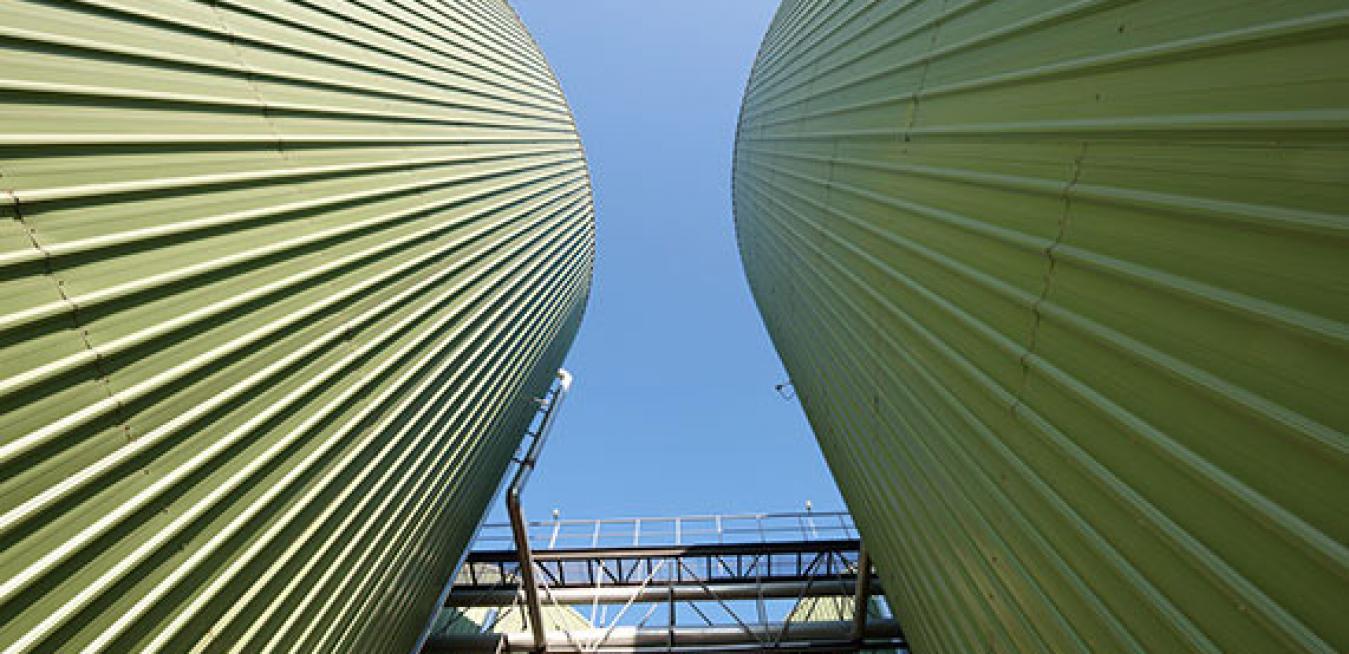
Watt's new in wastewater treatment?



When sludge treatment showed its potential as a net exporter of electricity to the grid.
 GE’s Jenbacher gas engines to produce around 1.5 MWe or enough electricity to power some 3,000 homes.
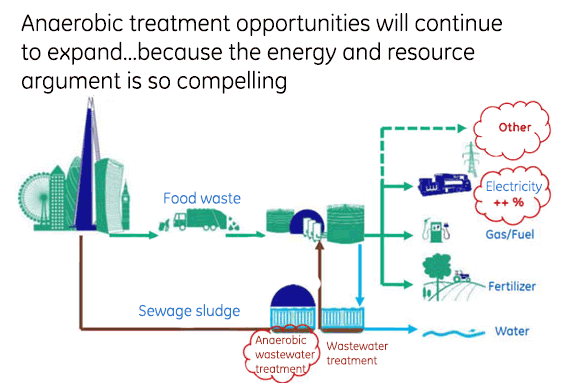
The key term here is “advanced anaerobic digestion”. Many water-treatment plants in countries throughout the world use anaerobic digestion to convert their sludge into both gas and a reduced volume of solid waste for disposal or for use as agricultural fertiliser. But in mid-2014, GE acquired Monsal technology, a UK-based company that had introduced such innovation to the process of anaerobic digestion that the amount of gas generated by processing sludge or food waste could be maximised. In the case of water treatment, this massively reduced the amount of electricity water companies would have to buy from the grid, and gave them the option of becoming a net energy exporter.
Since then GE has fulfilled its vision to integrate that innovation into its range of wastewater-treatment products, and to take a giant leap forward in its long-stated aim of reducing the energy cost of treating wastewater—rendering this essential service more sustainable.
At the time of the Monsal acquisition, Heiner Markhoff, President and CEO of GE Power & Water’s Water & Process Technologies, a global business that focuses on the world’s most complex water-related challenges, said, “Monsal, with its advanced anaerobic digestion technology, will enable us to provide our customers with more energy-efficient options for water treatment solutions.”
Aidan Cumiskey, then managing director of Monsal, welcomed becoming part of GE because it would afford Monsal greater access to ongoing R&D on a larger scale than it had had as a private company. He also believed that GE’s worldwide reach would bring Monsal technologies “to a significantly broader audience”. Cumiskey envisaged that as part of the GE Store, Monsal would become “the go-to company globally for anaerobic digestion”.
Fire in the belly—advanced digestion for Asia Pacific
In late 2015, Cumiskey, now business leader for Monsal Advanced Digestion Technology at GE, and with more than 250 digestion systems in operation (around 10 of these are food-waste-processing plants), and a pipeline of projects in North America, travelled south to assess opportunities for Monsal advanced digestion (AD) in the Asia Pacific region. He has a compelling story to tell, and never tires of telling it.
“Our main clients are water utilities, companies that own and operate wastewater assets—obviously, those with wastewater infrastructure produce sludge. We’re able to extract energy out of that, and turn it into a valuable fertiliser,” Cumiskey says.
Conventional anaerobic digestion, a biological process in which microorganisms break down biodegradable material in the absence of oxygen, is carried out in a single digester. “What we’ve done over the years is to really focus on equipment and technology to optimise that step,” explains Cumiskey. “Instead of doing the process all in one reactor, we split it into multi steps. The first phase of the digestion process takes place in a set of reactors where we hydrolyse or break down the sludge into smaller components and acidify them. In this initial stage the sludge is heated and held for a specific time—this conditions the sludge so that biogas yields will be maximised in the second stage. The second phase of digestion which occurs at mesophilic temperatures (35-40oC) and a longer retention time converts those acids into biogas.”
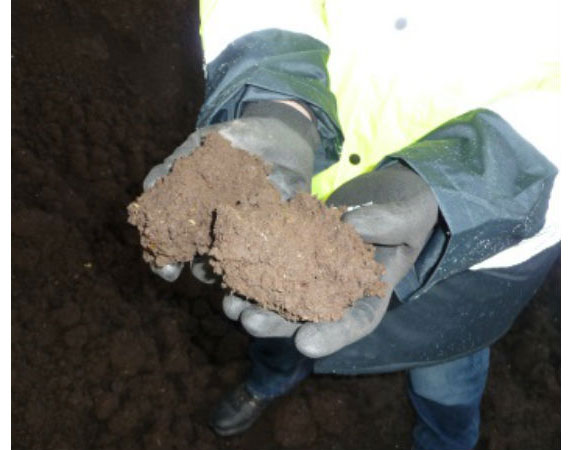
Anglian Water sells the clean, solid organic matter that remains after processing to local farmers at between £5 and £15 per tonne, depending on the phosphate content of the batch: “We charge farmers the same amount as it would cost them to buy the same amount of phosphate,” says Gove. “We’re able to provide about half their nitrogen requirement. We also provide agronomic advice and we spread the sludge for them. Last year our revenue for around 400,000 tonnes of fertiliser cake was about £2.9 million.”
Although advanced anaerobic digestion costs Anglian Water about £180 per dry tonne, compared to £150 a tonne for conventional digestion, it recovers some £100 to £110 per dry tonne through savings on electricity bought from the grid, through tax credits earned for renewable energy generated (from the UK Renewable Obligation Certificate scheme) and through fertiliser sales. This brings the cost per dry tonne of advanced digestion down to between £70 and £80, which, says Gove is ”considerably cheaper than liming at £120 per dry tonne, and conventional digestion at £150; and if we incinerated all that material we’d be at least quadrupling our costs.”
A true renewable resource
Monsal contributes to Anglian Water’s aims of delivering cleaner, greener, cheaper and ultimately more sustainable wastewater processing to its customers. “The main thing to me, which makes what I’m doing at Anglian Water feel very ethical, is that we’re taking quite a nasty waste material and turning it into a useful agricultural fertiliser and producing green electricity at the same time,” says Gove.
It’s hard to beat that as a clincher, but just a little addendum: That city of 500,000 people not only typically produces 14,600 tonnes of sewage sludge per year, but it also annually throws away about 75,700 tonnes of household and commercial food waste. Process the food waste and the sludge—using an integrated Monsal advanced anaerobic digestion system, and it would produce some 5 MWe—or enough electricity to power 10,000 homes. Just another great use for leftovers.