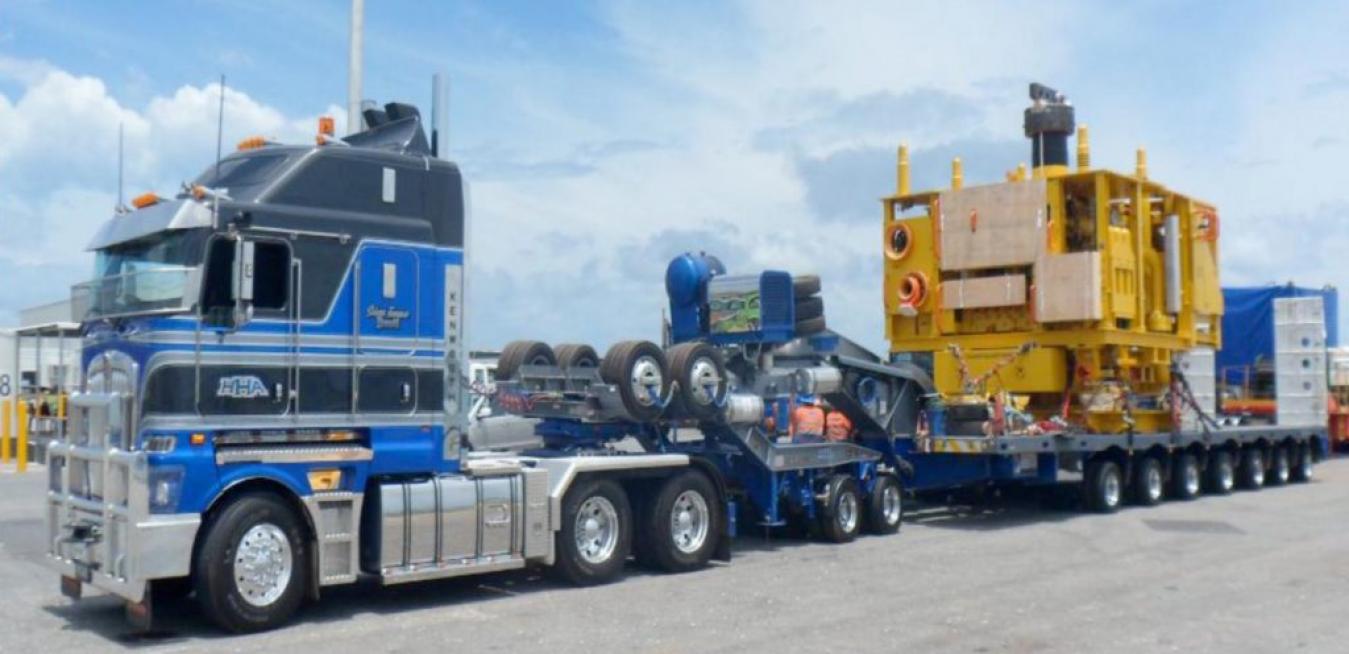
O Christmas Tree, O Christmas tree…



Landing the trees in Australia was cause for celebration—a milestone in the project’s development. The safe arrival of the massive steel structures at GE’s Jandakot technology facility in WA also represented a major logistical feat.
On September 13, 2014, the pair of VXTs, as they’re known in the business (V for their vertical configuration), left Bridge of Don for Aberdeen’s dockside Streamline Facility where cleaning and final preparations were made for shipping on 3 October. GE had commissioned the vessel MV Schokland to carry the trees and associated equipment, such as tubing-head spools.
A key component of the equipment that sits atop any oil or gas well, Christmas trees are flow-control systems, precision engineered, to ensure safe, faultless, reliable channeling and monitoring of the flow of the undersea riches in high-pressure undersea situations. Most such gathering systems are tailor made for their site.
“Depending on the field there will be different conditions, different temperatures, different pressures of gas or oil coming out,” says Graham Atkinson, Engineering, Procurement and Construction project director at GE Oil & Gas’ Bridge of Don facility. “There’ll be different soil conditions on the sea bed. There’s also specific tailoring of the number of valves and ports that a particular client might want. So there’s a lot of tailoring.”
But some things stay the same. A paint job in sunny yellow is mandatory for Christmas trees the world over, because it allows them to be more easily located on the ocean floor where they are secured, often at great depth and in murky conditions. Industry standards also specify that elements such as pad eyes, lifting systems and connectors—the interactive parts when the system is being connected to pipes and injectors—should be identified by an orange colour. The hues of other elements are similarly regulated.
But how does a yellow agglomeration of ports, pipes and valves come to be called a Christmas tree? It takes its name from above-ground well-head structures that can resemble a crudely decorated tree. And there’s certainly something festive, about the procession required to transport each Christmas tree from manufacturing facility to port for shipping, and again from port to its next onshore destination before deployment. Join the parade…
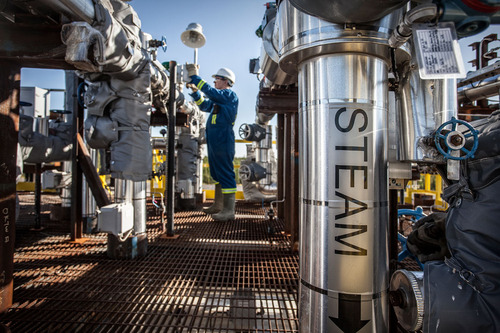
The Bridge of Don facility, which is the centre of XT manufacture, was originally developed to cater to the North Sea oil industry, and its expertise is now distributed worldwide. “Christmas trees are a common sight on the streets of Aberdeen. But we’ve got to move them at unsociable hours, and only on the weekends, to make sure we don’t have too much traffic being disrupted,” says Atkinson, referring to this image of the XT trees travelling down Market Street in the pre-dawn mist. “We’re restricted in the movements we can make, and it depends on the size of the load how they’ll be escorted. They might not only have a long-load escort, but in some cases a police escort.” Flashing lights—the Christmas theme continues! “Although it’s a well-established route, about three or four miles from our factory down to the harbour, it could take anything from one to a few hours to get there,” says Atkinson. “The thing’s got to go slow. We’ve got to be careful.”

Forty-three days later, the Schokland arrived in sunny Perth. Having travelled the west coast of Africa, it had endured a bout of bad weather around the notoriously stormy Cape of Good Hope. “You just can’t mitigate for bad weather,” says Atkinson. And if the welcome on Henderson dock was less than tumultuous, it was because the trees arrived in port at 2am. By 5pm, they’d been radiation-tested by port authorities and had their lashings and stoppers removed. That’s not quite yet the sound of corks popping.
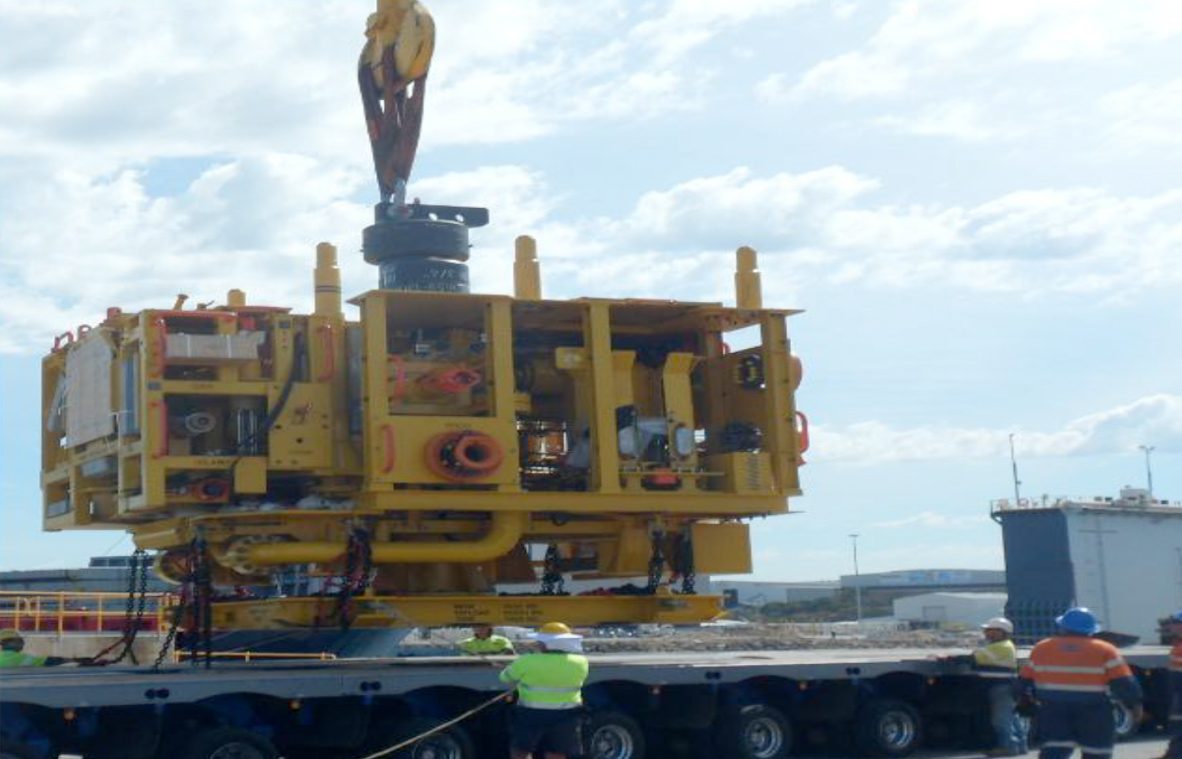
It took two days and a total of 31 crane lifts to discharge the vessel of its 461.4 tonnes of cargo. Paul Iredale, Regional Logistics Leader (ANZ) for GE Oil & Gas Australia, had been route planning and negotiating with local authorities for six weeks, to transport the Christmas trees to GE’s Jandakot technology complex where they were due to undergo site-receival testing. First step was to position the Christmas trees precisely on the trucks. “I know it sounds silly, but as little as one degree off on the loading and the trees could have fallen over,” says Iredale. “We’ve got the best people we could use, in Heavy Haulage trucking, doing the job for us, and we’ve got some good marine surveyors as well, and everything’s checked, checked and checked again.”
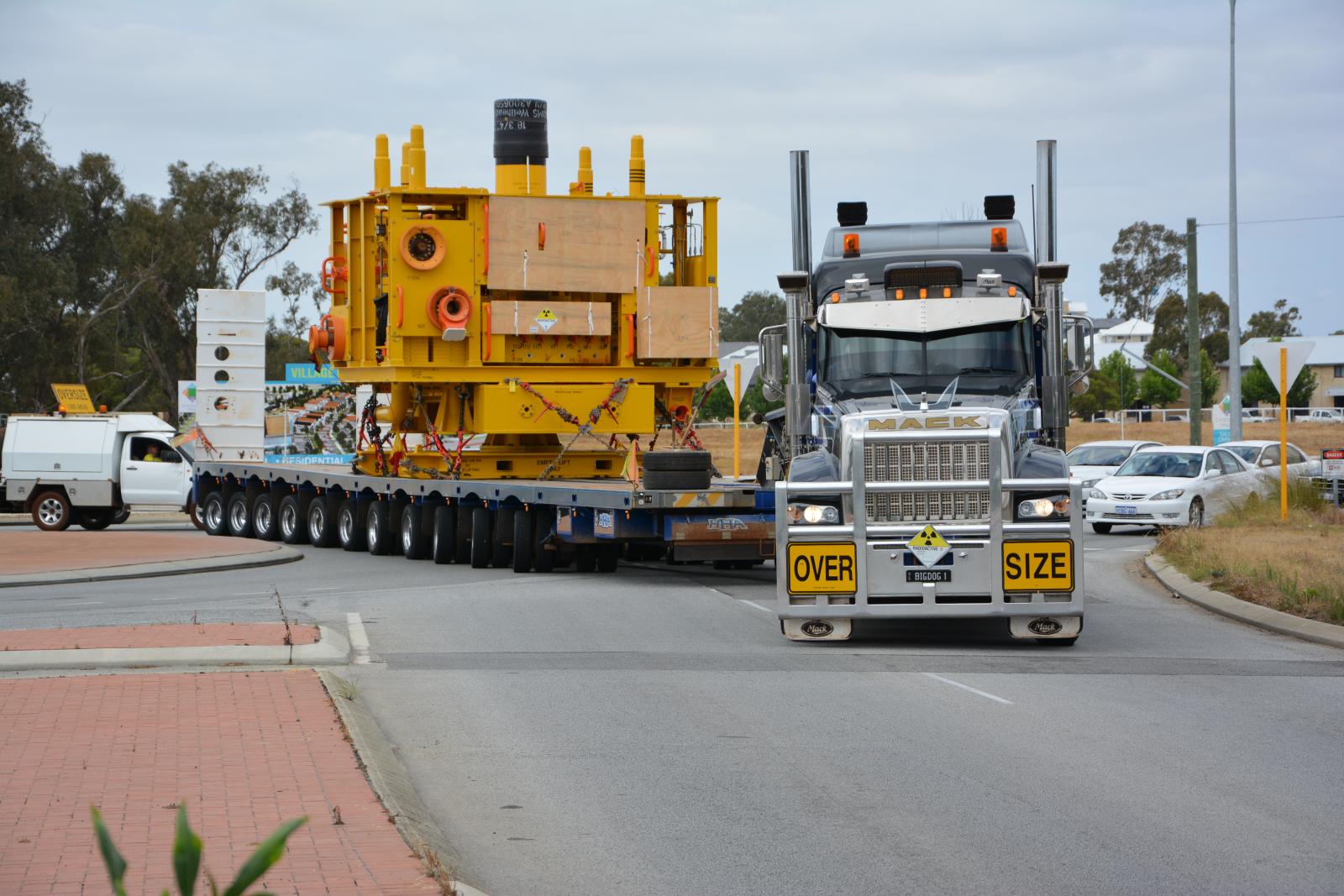
“You’d better watch out … Santa Claus is coming ...!” Carolling maybe, but not careering, the tree-toting trucks carefully negotiated a total of 13 roundabouts. “We had five escort vehicles to try to keep the traffic away from us. The convoy had two cars up at the front and one in the middle, and two at the back, making sure that navigating roundabouts and things like that went OK,” says Iredale. He concedes that there were still a few hairy moments: “… members of the public cutting in front of the trucks ... you know, coming out of a side street and not realising the size of them. But that’s why we had the escorts.”
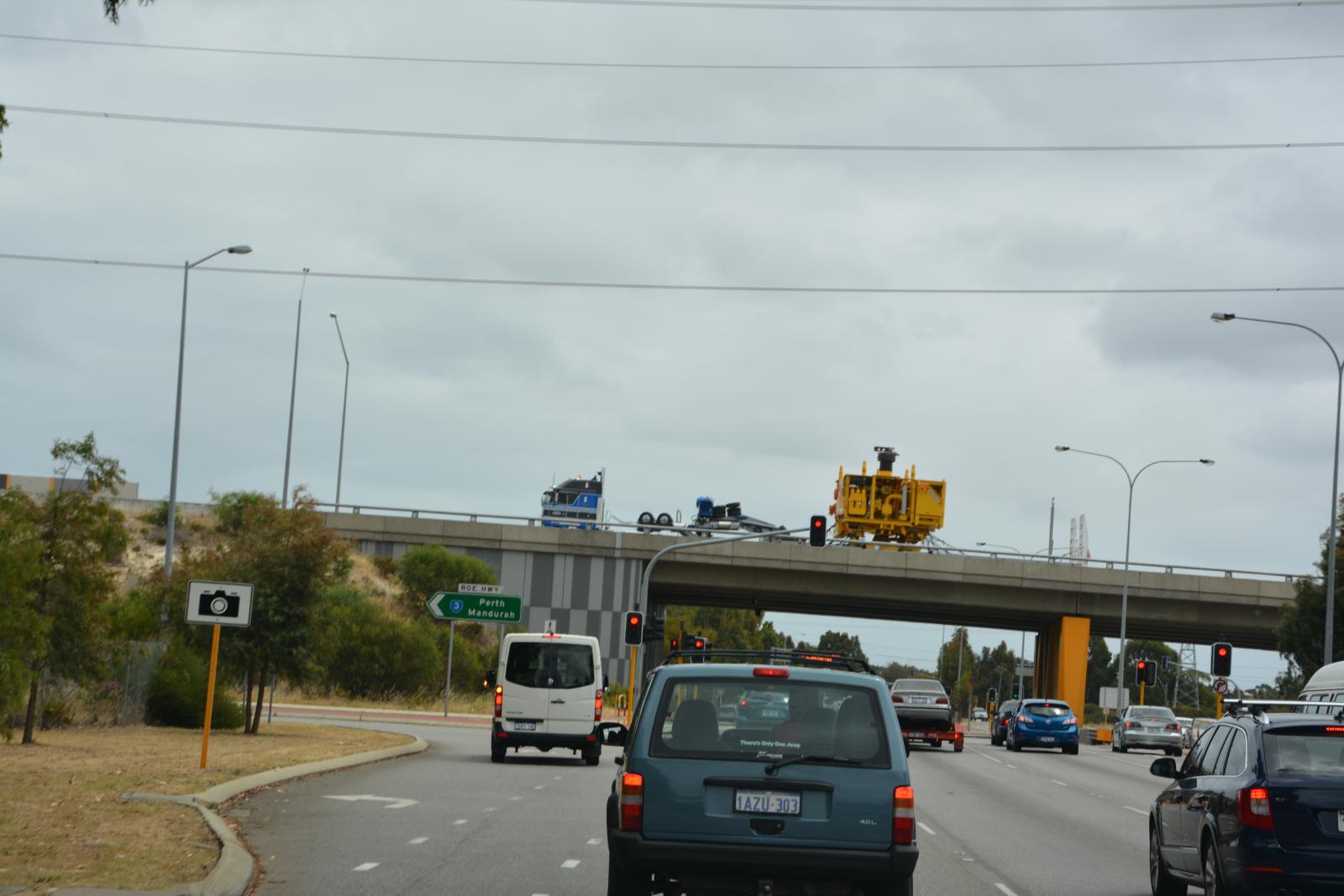
Drivers around Hope Valley, Wandi, Forrestdale, Piara Waters and Canning Vale might have been bemused to see the yellow behemoths on the move, but Iredale was determined that’s all they would feel. “We had to get Western Power involved,” says Iredale of the local utility company, “because they had to lift some of the power lines. We had to get Main Roads involved because we had to go over a number of bridges and we had to make sure the bridges were structurally sound and could take the weight of the trees and the trucks.” Seven bridges and two (“bumpy”) rail crossings later …
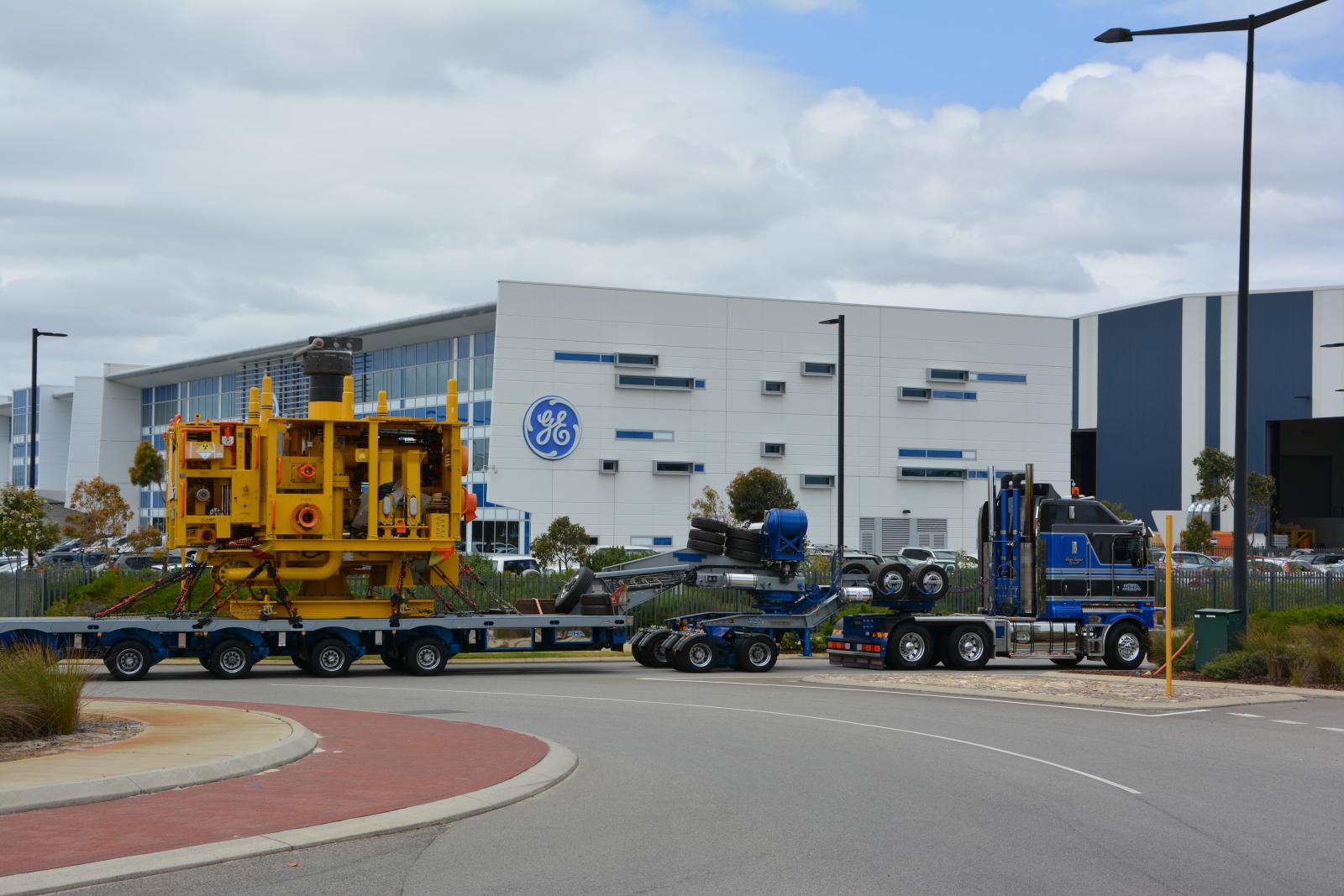
After one last roundabout the truck drivers deserve to be decorated. Since their arrival at Jandakot on 21 November, the Christmas trees have been undergoing site-retrieval testing to ensure they are ready to deploy for the expected 20 or more years they will spend at the bottom of the sea.
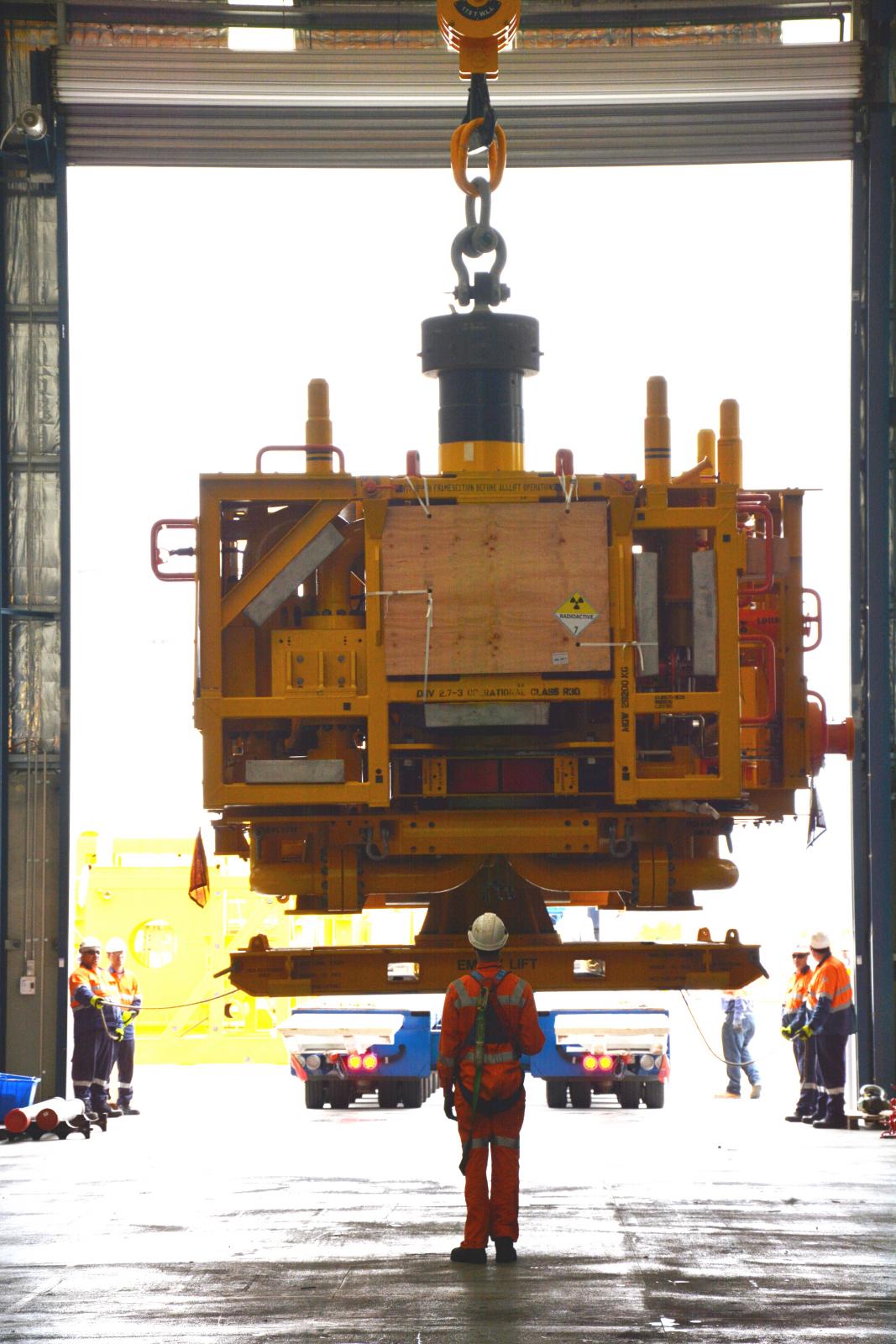
There was more than a Christmas cheer: “When that second tree got placed on the floor in the workshop, there was a big sense of pride and achievement for everyone who was involved,” says Iredale. INPEX’s Ichthys Project Managing Director, Louis Bon recognised the huge team effort involved in completing, testing and shipping the tree systems from Scotland. He said, “Christmas trees are a vital component of the subsea equipment necessary to complete the project’s development wells.”