Charles Sturt’s big carbon plan



Charles Sturt University in Bathurst, NSW has contracted Clarke Energy to design and construct a high-efficiency plant that will offset heat loads from existing boilers and reduce energy imported from the grid.
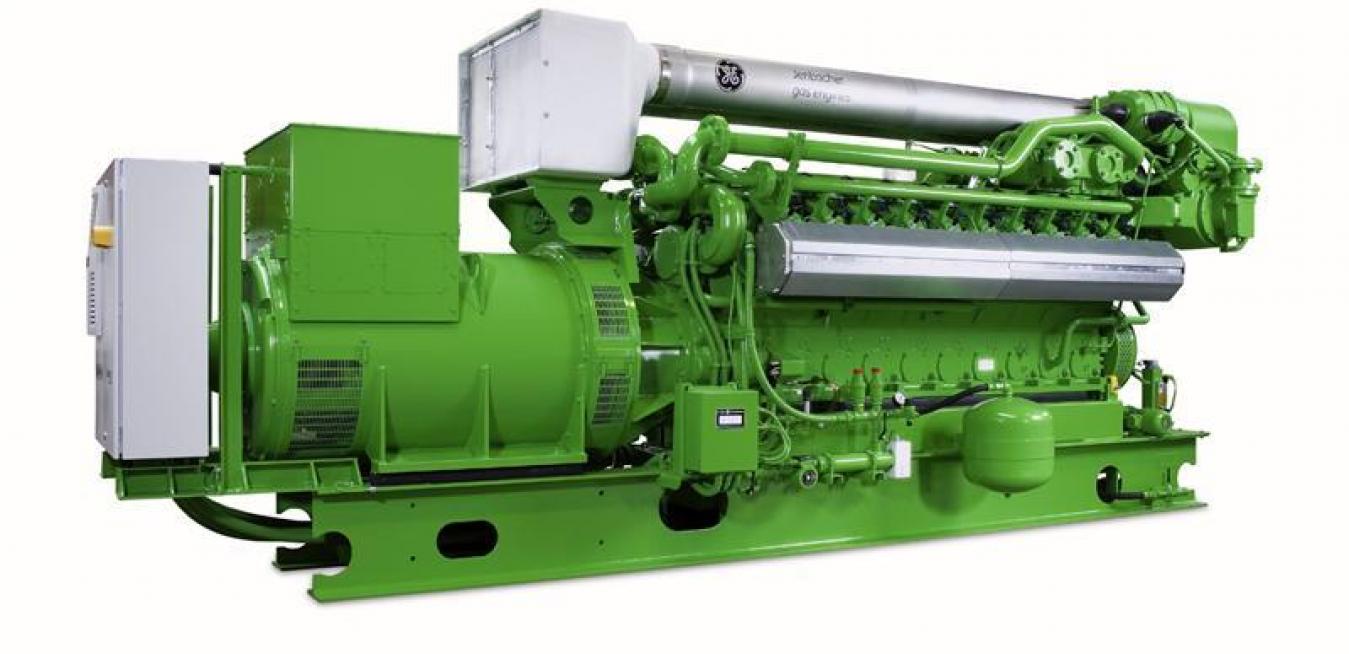
The university plans to reduce its energy consumption by 25 percent by installing a new cogeneration power plant using a GE Jenbacher gas engine. It’s also committed to be carbon neutral by 2015.
“The CSU co-generation plant will use reticulated natural gas and is a far more efficient way of generating power than getting it from the grid,” said Martin Smith, Clarke Energy’s Sales Manager.
“When you generate power on-site, you don’t have line losses or transmission losses, so around 40 percent of the energy in the fuel is converted to electrical power - which is considerably higher than the efficiency of power drawn from the centrally based grid, which peaks at about 30 per cent,” he said.
The CSU plant will deliver significantly more efficiency, because the remainder of the energy is converted to heat. It achieves this onsite by heating water in existing boilers currently used for hot water and heating.
“Overall the efficiency should be up to 80 percent,” Mr Smith said.
More than 100 cogeneration GE Jenbacher plants have been installed in Australia during the past 15 years, most on large commercial sites and in hospitals where they’ve generated more than 460 Megawatts of power.
Jenbacher engines can run on biogas and even gas generated by landfill, such as that running in the French CSDU landfill site.
“These engines are configured for operation on gas, unlike most plants which are diesel-based, and they have the highest efficiency and reliability available,” Mr Smith said.