What the GEek??!



n.
a blood sucking insect belonging to the family of flies called the Culicidae
The summer sun has started scorching and brings with it dazzlingly long evenings, lazy days at the beach and afternoons spent around the barbecue with friends. It is also the time of year when the trusty mosquito repellent (first invented by CSIRO) becomes a must have for a camping trip, barbecue or an evening in the backyard. The buzz of a mozzie and those itchy little bumps are a reminder that most people’s favourite time of year is the mozzie’s party season too.
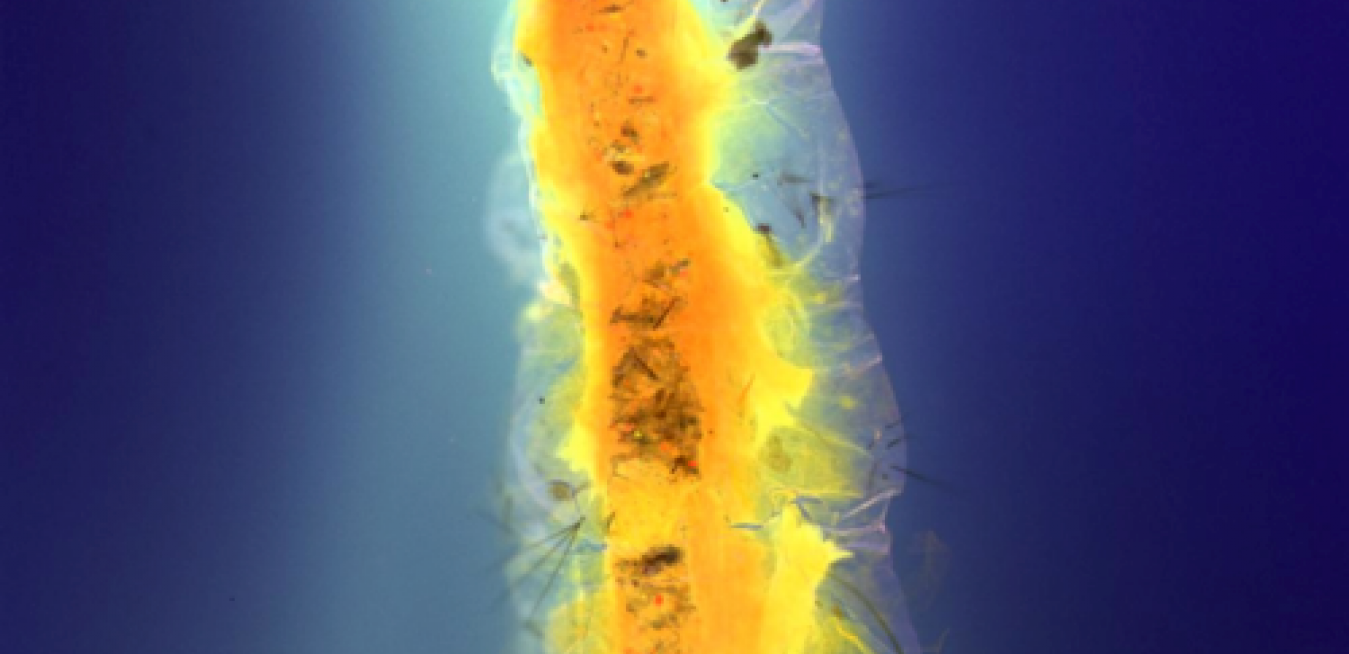
The above is an image of a mosquito larva taken by the new GE Cytell, an imaging system small enough to fit on a bench top, but powerful enough to generate images for cell analysis.
The larvae stage is the second in a mosquito’s lifecycle, and when they spend all their time at the surface of their aquatic home. The larva, with a well-developed head, mouth brushes for feeding, a large thorax with no legs and a segmented abdomen, will go through four instars, shedding its skin at the end of each instar, to allow for growth.
The adult mosquito has a projected proboscis which conceals the long piercing and sucking mouthparts. The tiny insects have six legs and two wings covered in scales, and while they start their life in water, their adult lives are completely terrestrial. The lifespan of a male mosquito is approximately a week, while female mosquitoes can live up to 2-3 weeks. While both genders will feed on nectar and plant fluids, only the female mosquitoes will seek blood meals as a source of protein for egg development.
There are varieties of mosquitoes on every land region with the exception of Antarctica and a few islands such as Iceland, all varying in breeding habits, biting behaviour, host preferences and flight range. While some species will only fly a few metres away from their original breeding place, others can disperse up to 50 kilometres downwind from their larval habitats.
In Australia, there are more than 300 species of mosquito, though for all the frustration and itching they cause, most of them are generally harmless.
Want to see more bees, shoots and leaves imaged by the GE Cytell? Find them here.