×

GE.com has been updated to serve our three go-forward companies.

Please visit these standalone sites for more information

GE Aerospace | GE Vernova | GE HealthCare 

header-image

How big data could enhance Caterham’s performance on the F1 track

March 13, 2014
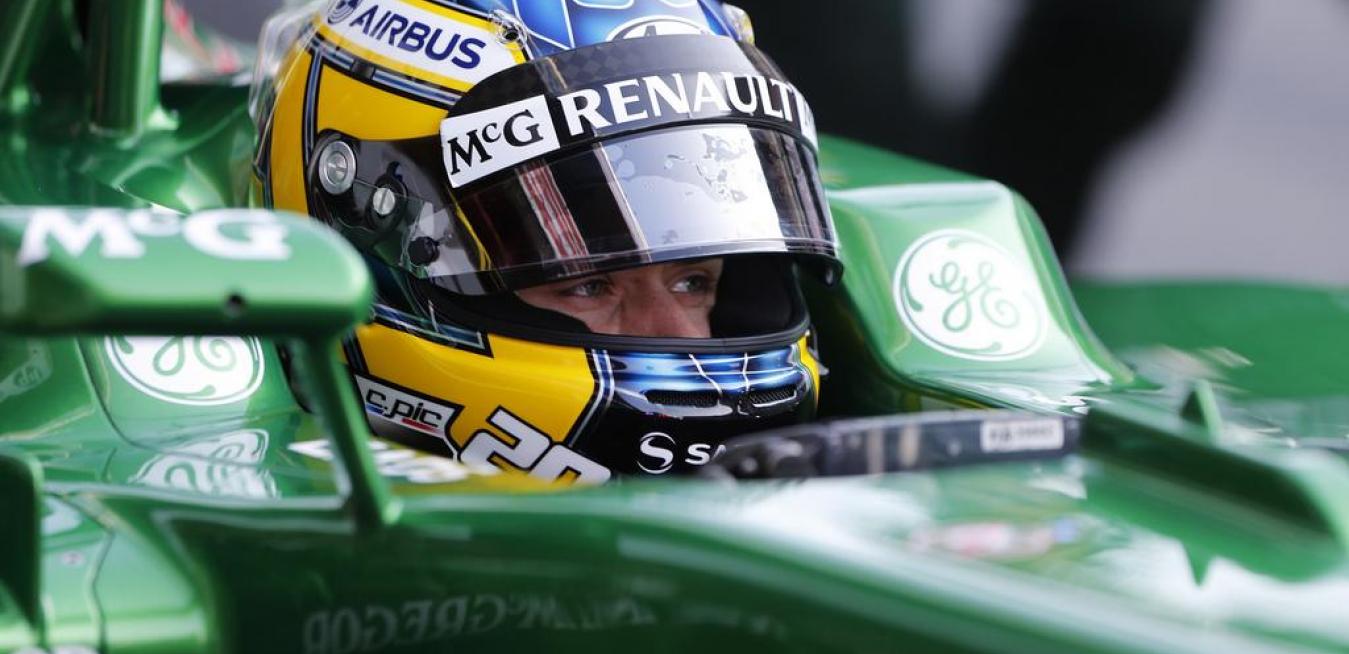
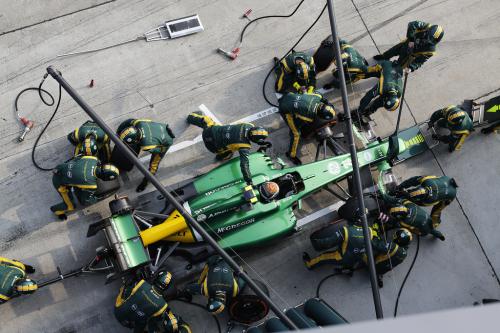
When it lines up on the grid to race at Melbourne’s Albert Park on 16 March, Caterham’s Formula 1 speed machine will rely on a symphony of global technology for success.
The car uses intercoolers developed in Germany, carbon fibre composites and fibre optic sensors from the United States, and big data analysis techniques developed in India.

It also has the backing of the GE Global Research team, which worked with the crew from last year to intelligently integrate these technologies.

Long gone are the days when F1 cars were simply bolted together. Caterham’s cars feature the latest fibre optic technology, with load-sensing glass strands just 0.15mm thick embedded in the vehicle’s front wing, floor and rear.

"The sensors capture a constant stream of data about forces acting on the car during the race, transmitting this information in a far more efficient way than traditional methods which relied on load sensors attached to the suspension."
 /><br />
<br />
Thanks to these analysis techniques, the Caterham team can look at slices of its data across an entire season, pinpoint setups that were particularly effective, and identify reliability issues earlier.<br />
<br />
Inside the vehicle, GE has also found a way to replace metal pipes with carbon fibre, reducing the overall weight of the vehicle.<br />
<br />
And because new F1 regulations constrain the car’s engine size to 1.6 litres, F1 teams have re-introduced turbochargers and energy recovery systems to boost performance.<br />
<br />
This too became an engineering challenge for GE’s engineers in Germany.<br />
<br />
Turbochargers boost an engine’s performance by injecting compressed air into the cylinders and making fuel burn more efficiently. Caterham’s approach was to use a turbocharger combined with a small, light intercooler that cools the air as it’s being compressed, further improving engine efficiency.<br />
<br />
It all combines to give Caterham’s cars a competitive edge, yet it’s also created an on-going challenge for the team.<br />
<blockquote>Looking ahead, these technology developments will continue to find applications beyond the 2014 Melbourne Grand Prix.</blockquote><br />
Carbon composites are being used extensively in the aviation industry and big data analysis is playing an important role in the renewable energy sector.<br />
<br />
Moreover, Lewis Butler, Caterham’s chief designer, says working with GE is helping the team deepen its skills base.<br />
<br />
“GE are working with Caterham to help with the manufacturing process and knowledge transfer, and giving Caterham F1 Team the capability to manufacture its own parts,” he says.<br />
<br />
In 2013 Team Caterham finished the season without scoring a point. This year, big data and technology will play a crucial role in the team’s performance.<br />
<br />
<object width=[embed allowscriptaccess="always" height="304" src="//www.youtube.com/v/gUFqW80YskM?version=3&hl=en_US&rel=0" type="application/x-shockwave-flash" width="540" />