How now, brown cow? The next generation of cell-based medicine



Set on 65 acres of picturesque plains surrounding the small city of Tauranga on New Zealand’s North Island, the HyClone farm produces animal serums and synthetic media for the cultivation of biopharmaceuticals.
Part of GE Healthcare Life Sciences, the HyClone cows are literally growing the base material needed to treat conditions like breast cancer and multiple sclerosis.
“The first generation of pharmaceuticals was about discovering chemicals outside the body to treat disease,” says Dr Brian Hood, managing director of GE Healthcare Life Sciences Australia and New Zealand. “The second generation was biological; we learned to grow and use pathogens in a controlled way, the third generation is regenerative, we will grow healthy cells to overwhelm the sick ones.”
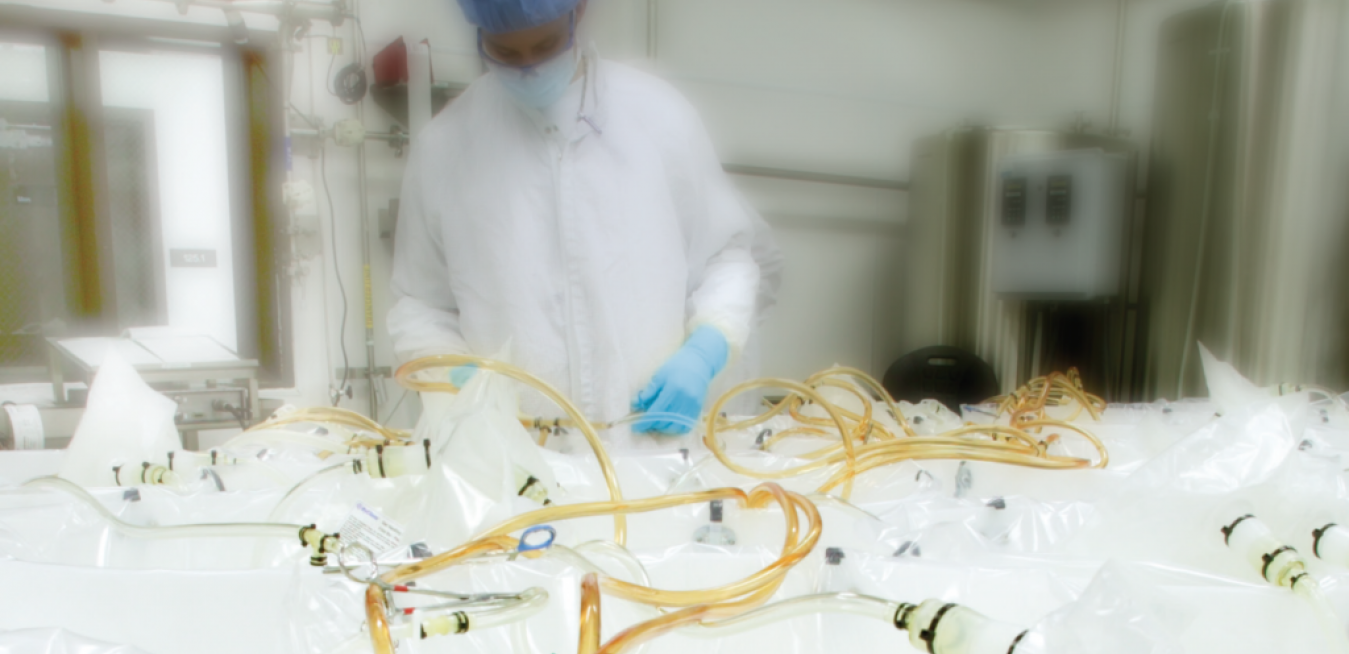
The laboratory’s highly trained quality-assurance team creates animal serums that are used all over the world to grow biological components for vaccines and medicines. Initially used to create vaccines, these serums and media are now holding the promise of personalised medicine made from the patient’s own antibodies.
Not only does HyClone produce the animal serums providing the basic ingredient for the creation of these emerging medicines, the lab is also working on the synthetic media necessary for mass production of biological cultures.
“Animal serums are highly complex,” says Dr Hood. “To this day we have only identified about 50 of the proteins in these serums, when it is known that there are more than 1000. There are some biopharmaceuticals that require animal serum, but over time we’re learning more and more about the components that make up the serum we create artificially, and we’re able to achieve more with the synthetic media.”
Synthetic media are fundamental to vaccine manufacture, according to Dr Ian Barr, deputy director of the World Health Organisation Collaborating Centre for Reference and Research on Influenza.
“When it comes to vaccines, the synthetic media are vastly preferable to what is harvested from animals, because you have to be sure that what you’re preparing for a human is safe and uncontaminated,” Dr Barr says. “This is easier with the synthetic product.”
By investigating complex proteins which make animal serum such an effective medium in which to grow biopharmaceuticals HyClone will play a significant role in the creation of the next generation cures for some of our most deadly diseases.
“This will mean we can treat cancer patients with healthy cells, rather than with controlled poison, which is essentially the idea behind chemotherapy,” Hood says. “With this third wave of cell therapy, we’ll no longer be treating the symptoms of disease, but on the path to finding a cure.”