What the GEek??! Phonographs



(n.) a device for the recording and reproduction of sound recordings
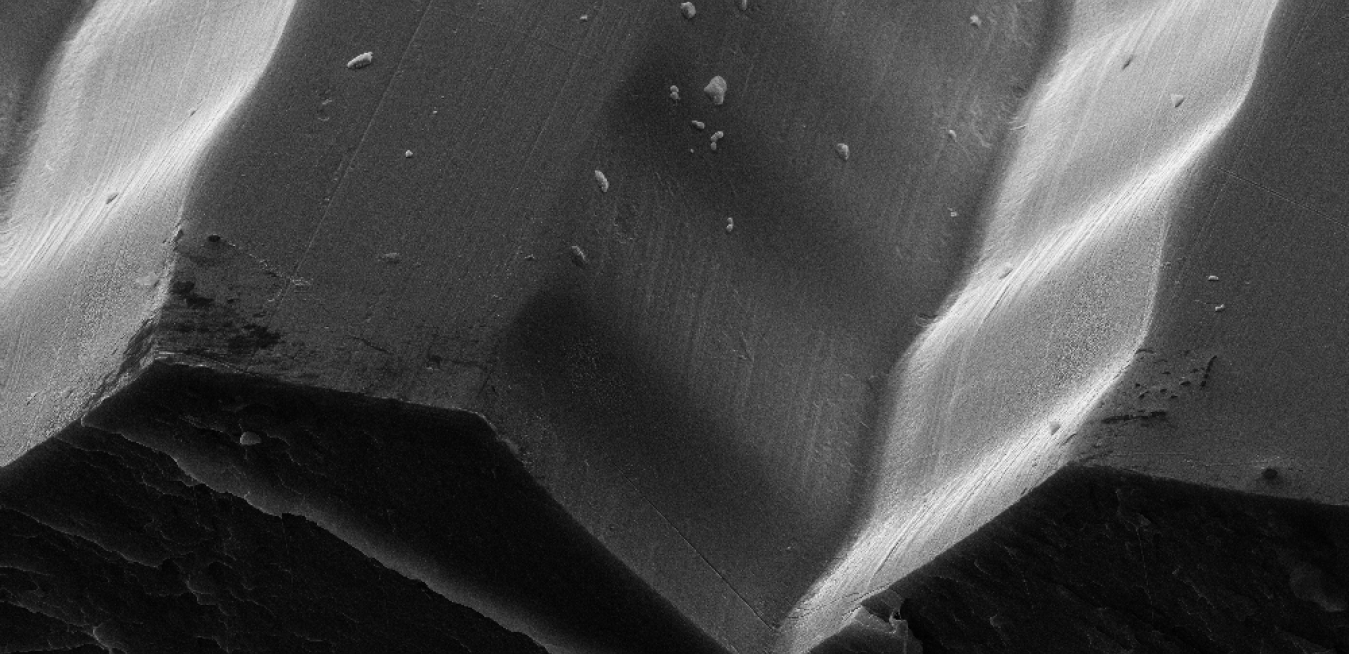
In November 1877 Thomas Edison announced the invention of the phonograph (patented in February 1878). Although there had been previous iterations of the device, this marked the beginning of large scale use of record players. These are images of what the grooves of a vinyl record look like under the microscope. Hard to imagine that these rough looking canyons can sing the blues, but it’s true!
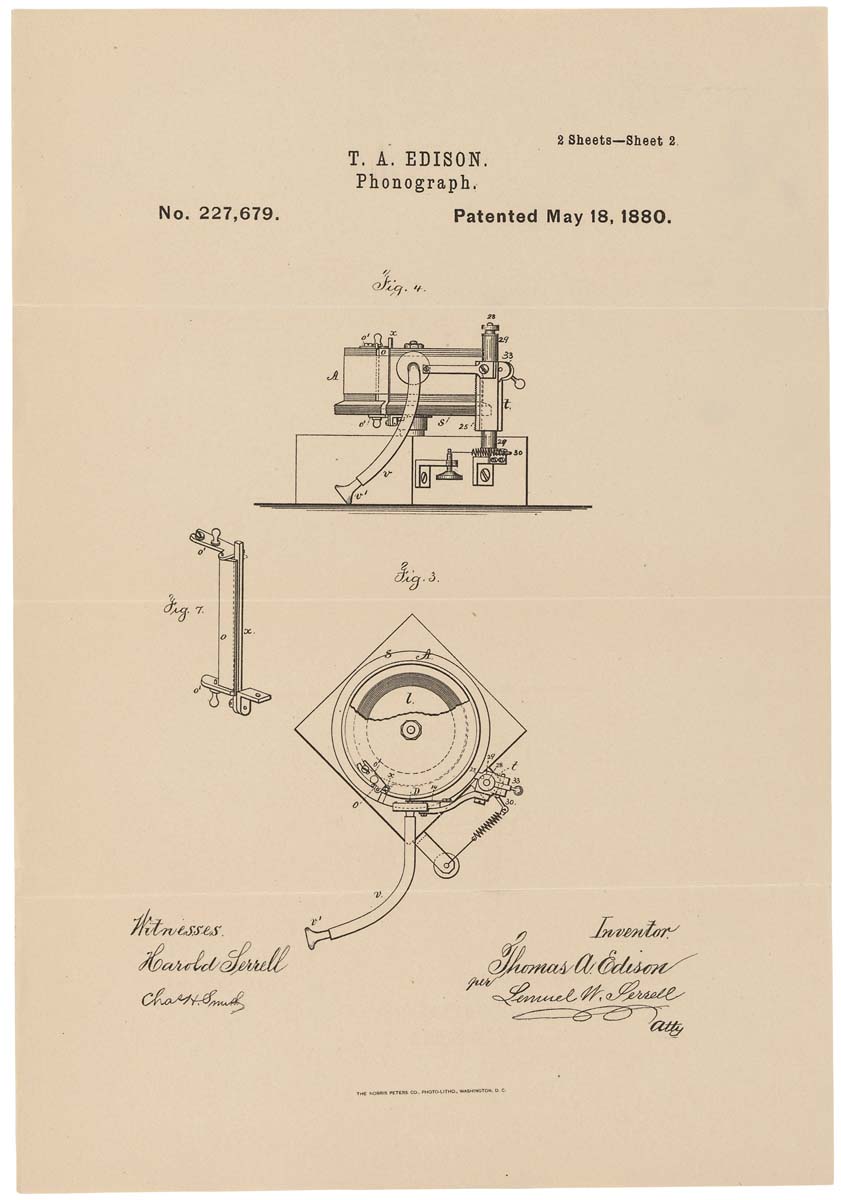
Image: This is the printed patent drawing for a phonograph invented by Thomas A. Edison, 05/18/1880. From the National Archives.
Despite its early days as a dictating machine, its fame is as an entertainment instrument, with Edison releasing a range of musical and theatrical selections to the public through his National Phonograph Company in 1906. Edison’s first recording on the phonograph is a reading of ‘Mary Had A Little Lamb’. Though the original 1877 recording no longer exists, you can listen to his reading of the same poem on August 12, 1927, at the Golden Jubilee of the Phonograph ceremony.
The familiar lateral-cut record discs were introduced by Emile Berliner for his ‘gramophone’, and followed the same ‘groove’ mechanism for recording and playing sound. These led to the way for the then popular, now vintage, vinyl records.
Today, mass-produced records start with a master disc, also known as a lacquer disc, which is physically cut by a sapphire-tipped needle guided by audio input – similar to the way sound vibrations originally guided the needle in Edison’s phonograph. To produce the vinyl record which you’ll eventually play, a metal cast is created from the master disc. This metal cast acts like a giant waffle iron molding the record from a ‘biscuit’ – a round of vinyl which is half the size and three times the thickness of the finished product.
Want more on the science of sound? Check out DJ Matthew Dear’s slick soundscape created from GE technologies.