PNG’s powerful new attraction: View the trailer



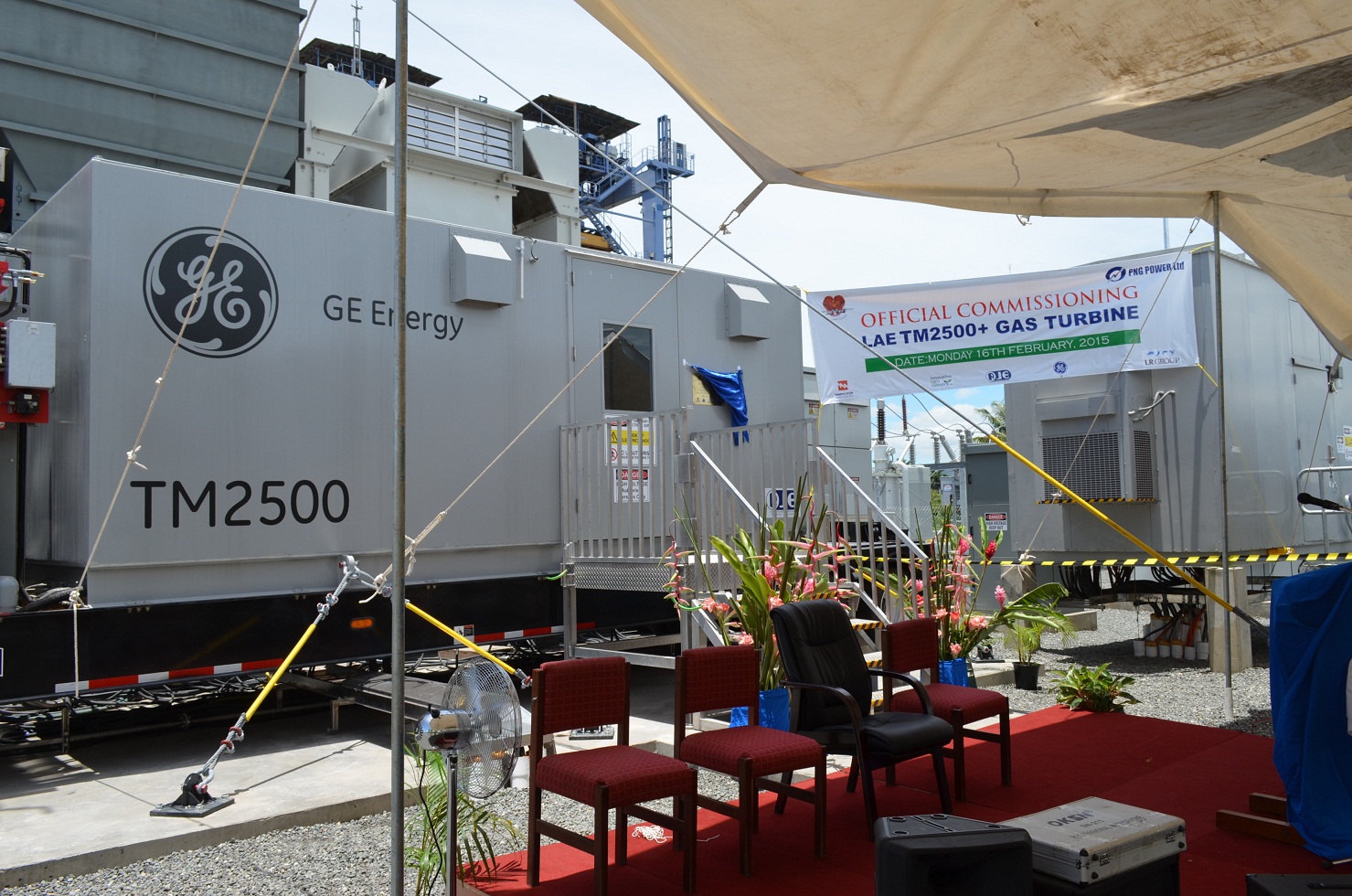
A state-of the art, portable powerhouse, the TM2500 runs on diesel or gas, starts up in minutes and is quick to follow demand fluctuations. Contributing up to 25 megawatts, to almost any power supply, the aeroderivative turbine is designed to run either continuously, or to respond swiftly to power shortages.
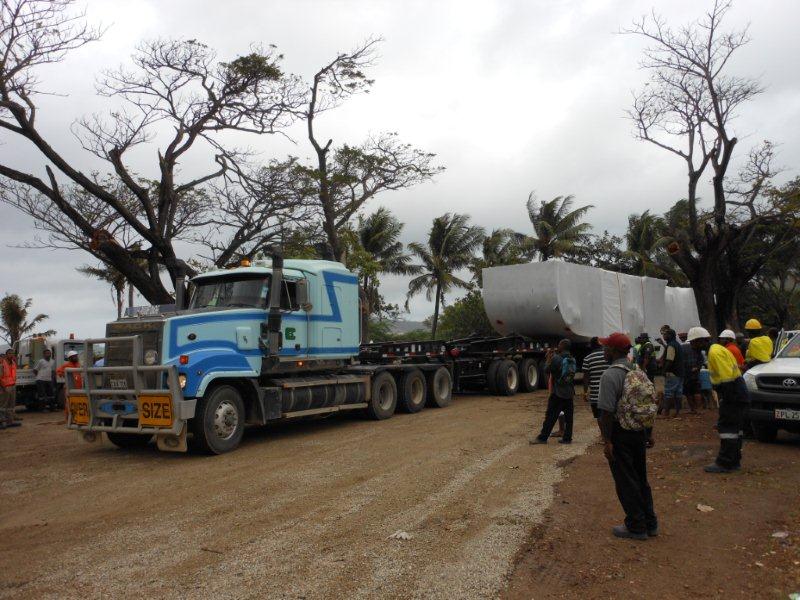
Port Moresby had already plugged in its early Christmas present in December 2014. Shipped from Houston in response to dire need in the two cities, two TM2500s are helping to power the people until more permanent grid upgrades can be installed. Then the trailers can be hooked up to a prime mover and towed to a new location, to help other parts of PNG’s grids in need. The generators’ efficient, reliable operation is expected to boost provincial power for decades.
 ExxonMobil operating in the region. The Prime Minister says the combined population of both cities is now close to 2 million—a population that has long been subject to rolling blackouts, which may hit randomly, or be imposed as part of the necessity to lighten loads on groaning grids.
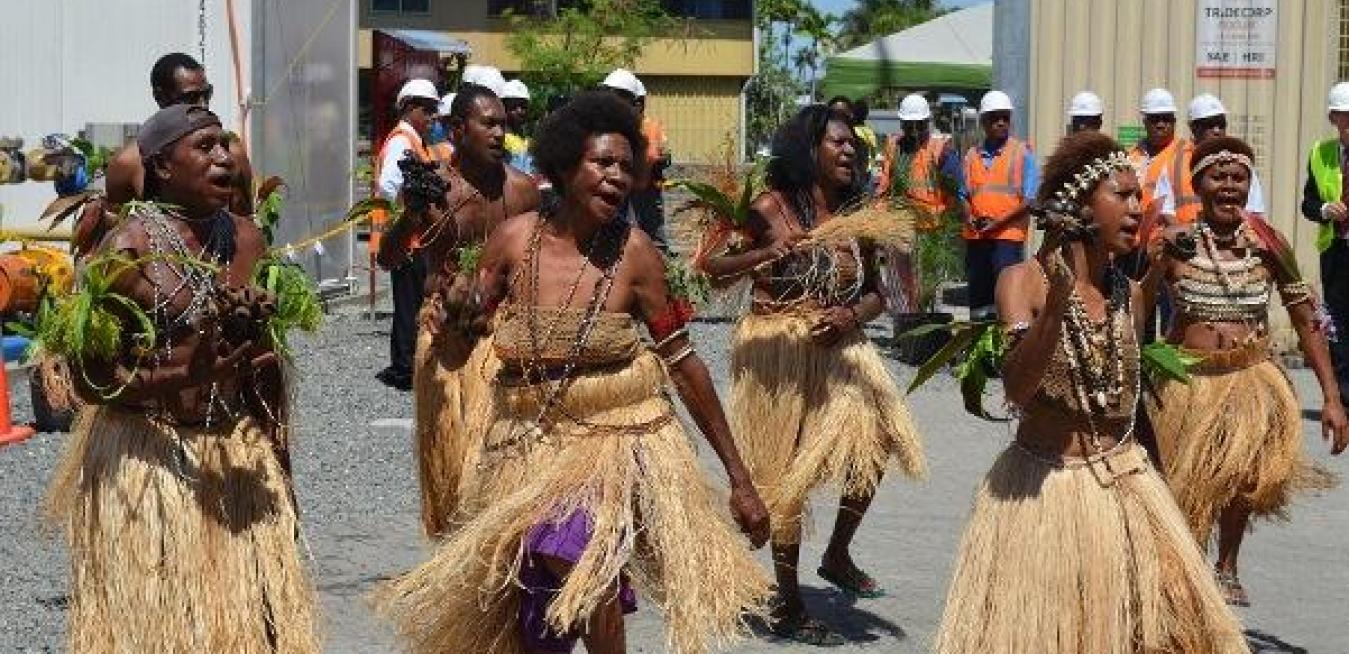
At the Lae commissioning, Prime Minister O’Neill thanked GE for its support. He said that GE, “saw the need that we had in our country and as a result they stepped in and brought these power generators on board as quickly as possible".
Rapid integration into any grid is a feature of the TM2500s— they can be up and running within a few weeks of “parking”—but in this instance GE really pulled out all stops to land the trailers fast. Their flexible dual-fuel option is also ideally suited to PNG’s fuel supply right now and in the near future. “The strategy,” explains Peter Loko, GE’s country leader for PNG, “is that they will use diesel until gas is available, because gas is cheaper than diesel.”
ExxonMobil, which is extracting natural gas in the PNG Highlands and processing it into liquid natural gas for export from a plant near Port Moresby, recently signed a Memorandum of Understanding with the Papuan government, to supply Moresby with gas for power generation. Connection to gas will help fuel the city when it hosts the Pacific Games in July, and will then become part of a more permanent power solution. “All the kit to switch to gas is already on board the TM2500s,” says Robert Wilson, project director for GE Distributed Power.
A state-of-the-art, portable powerhouse, the TM2500 runs on diesel or gas and starts up in minutes...the aeroderivative turbine is designed to run either continuously, or to respond swiftly to power shortages.
The use of GE Aviation technology in the aeroderivative turbine engine will also serve PNG’s cash-strapped utilities well. “They’re more efficient than traditional ‘frame’ technology,” says Wilson, who adds, “They’re designed for either continuous or peak load operation.” Although these generators were intended only to operate for a few hours a day during peak times, they can support the grid whenever they’re required. In Port Moresby, one GE mobile power unit can reliably deliver 20% of the city’s power generation. In Lae the other unit is contributing up to 25 megawatts to a 60 megawatt requirement, as needed.