The Future of Work
Automation Isn't The End Of The World -- Here's Why



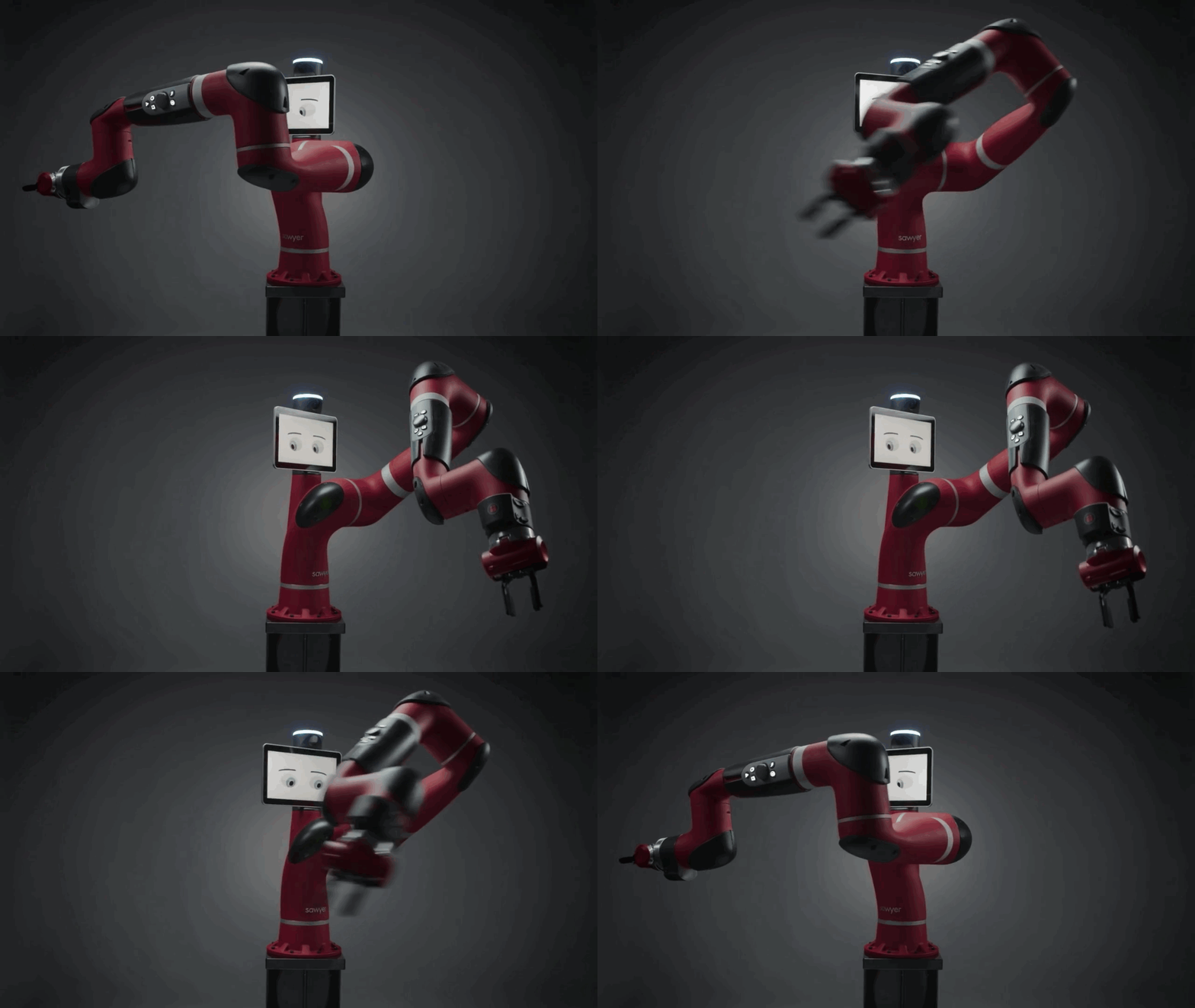
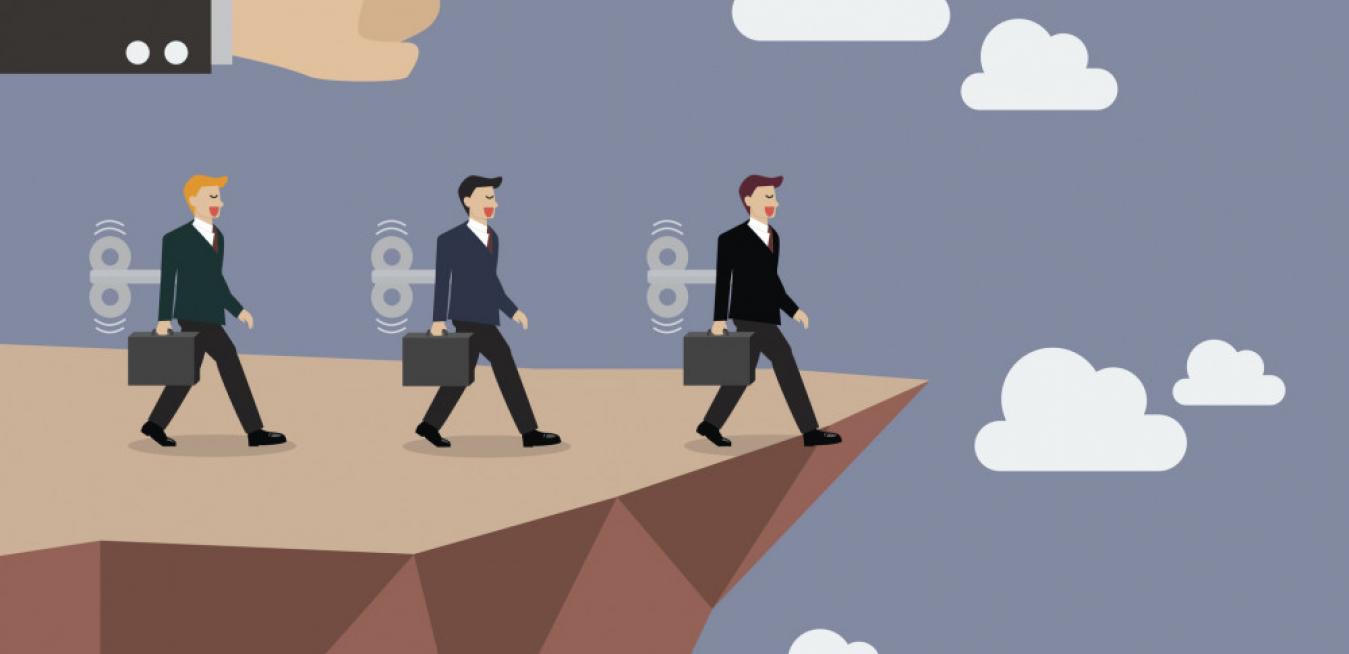
Robots probably will take our jobs. That doesn’t have to be bad news, writes Leonardo Quattrucci, policy assistant to the Head of the European Commission's European Political Strategy Centre. The future of work is about more than just automation. Machines push us to specialize in our competitive advantages, which would ideally push us toward a more connected and equitable economy.
What keeps you up at night?
Robots
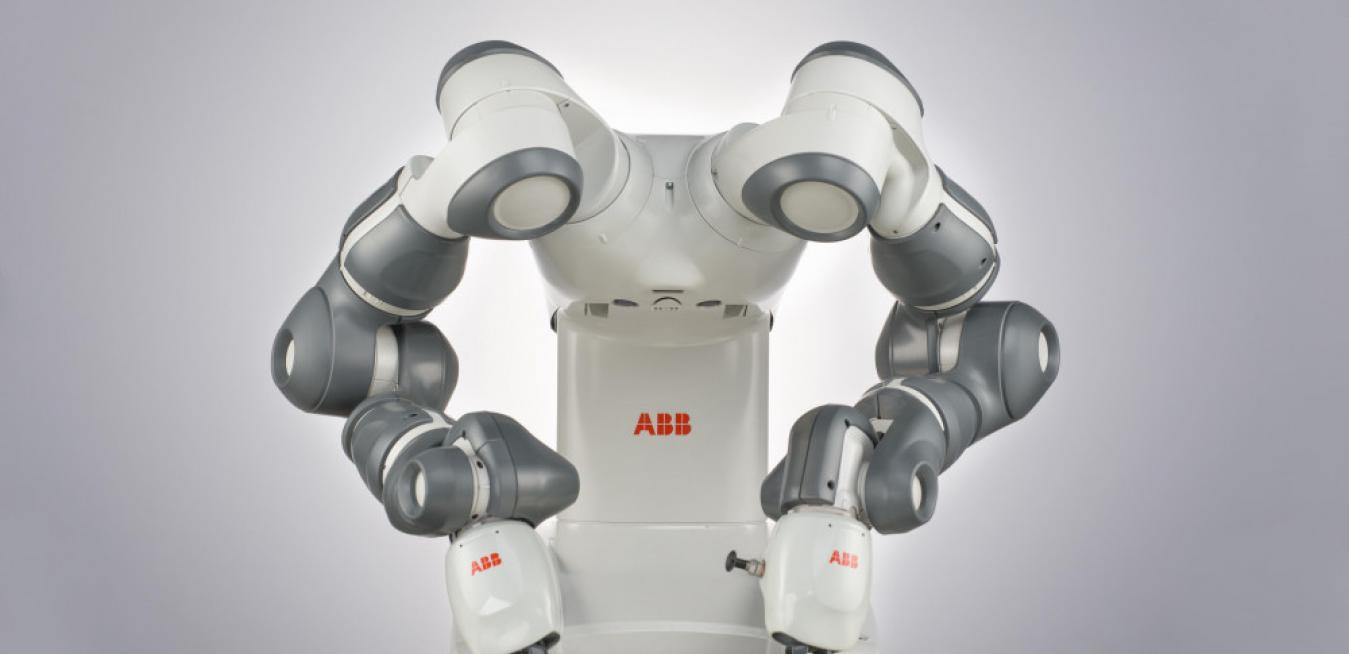
Have No Fear, YuMi Is Here! ABB’s Collaborative Robots Just Want To Get Along
It turns out it can be pretty tough to hand a robot an object. A challenge with having robotic co-workers alongside humans on the factory floor is the ability for the two groups to interact safely. It's been over a year since YuMi (for "you and me") was introduced to the market to fill that divide. What does the future and the Internet of Things hold for YuMi and other collaborative robots?
Future
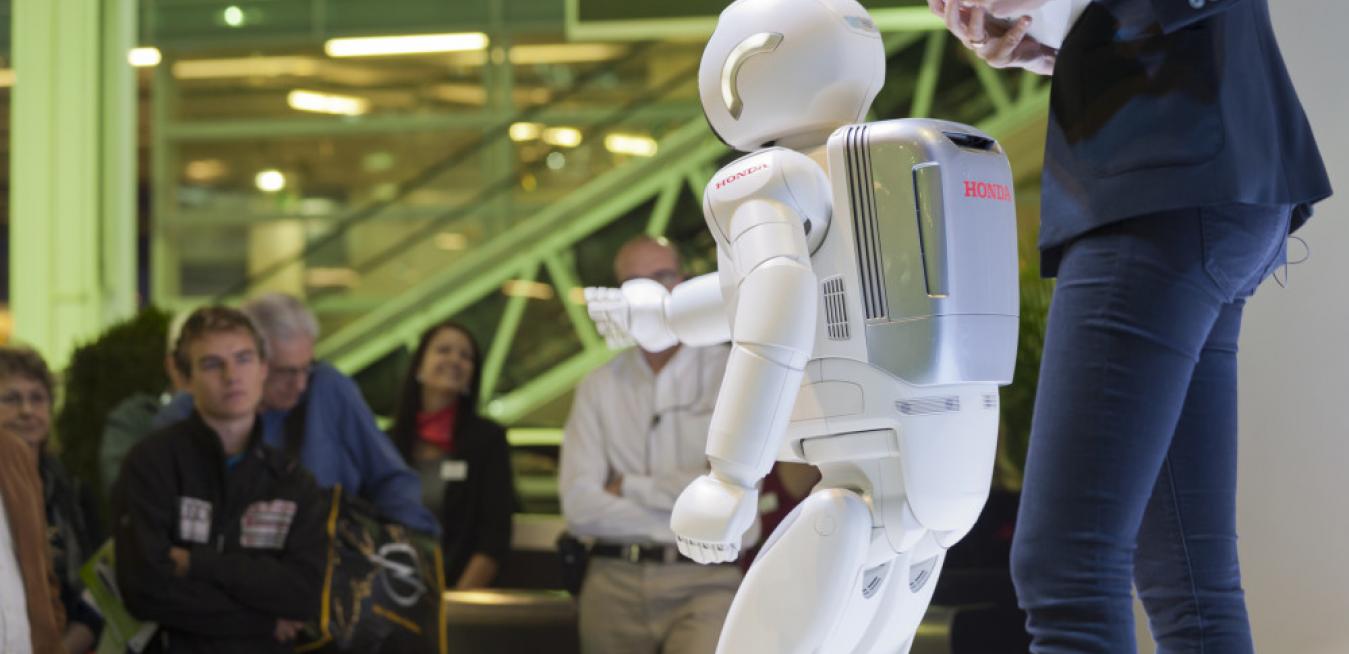
AI Could Free People From Work – If We Let It
What would a future without work look like? It may be closer than you think. Artificial intelligence is redefining work as we know it. First there was outsourcing. Next up is "othersourcing." Here are three signs we are moving toward a "post-work" future.
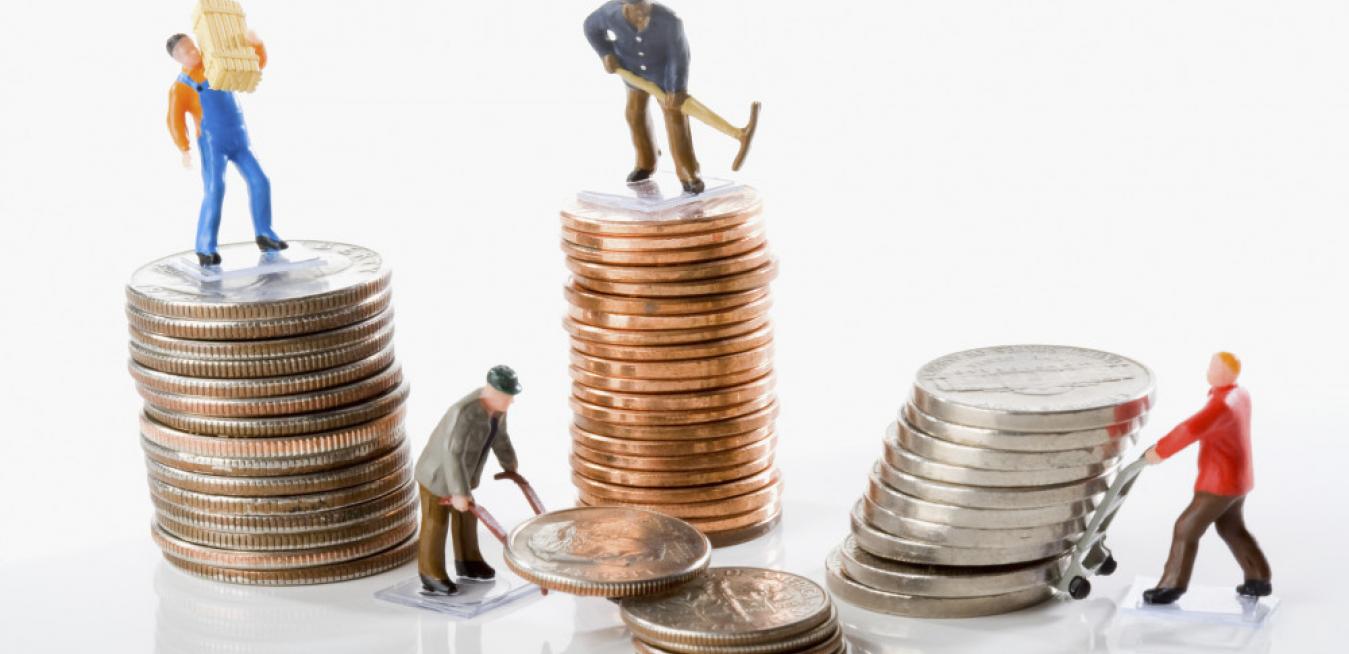
automation
Basic Income After Robots Take Our Jobs? That’s Not How Capitalism Works
Katharina Nieswandt, a philosophy professor at Concordia University, wants to debunk the claim that technology or robotics will lead to mass unemployment. The reality, she argues, is that productivity will grow but leisure time won't.
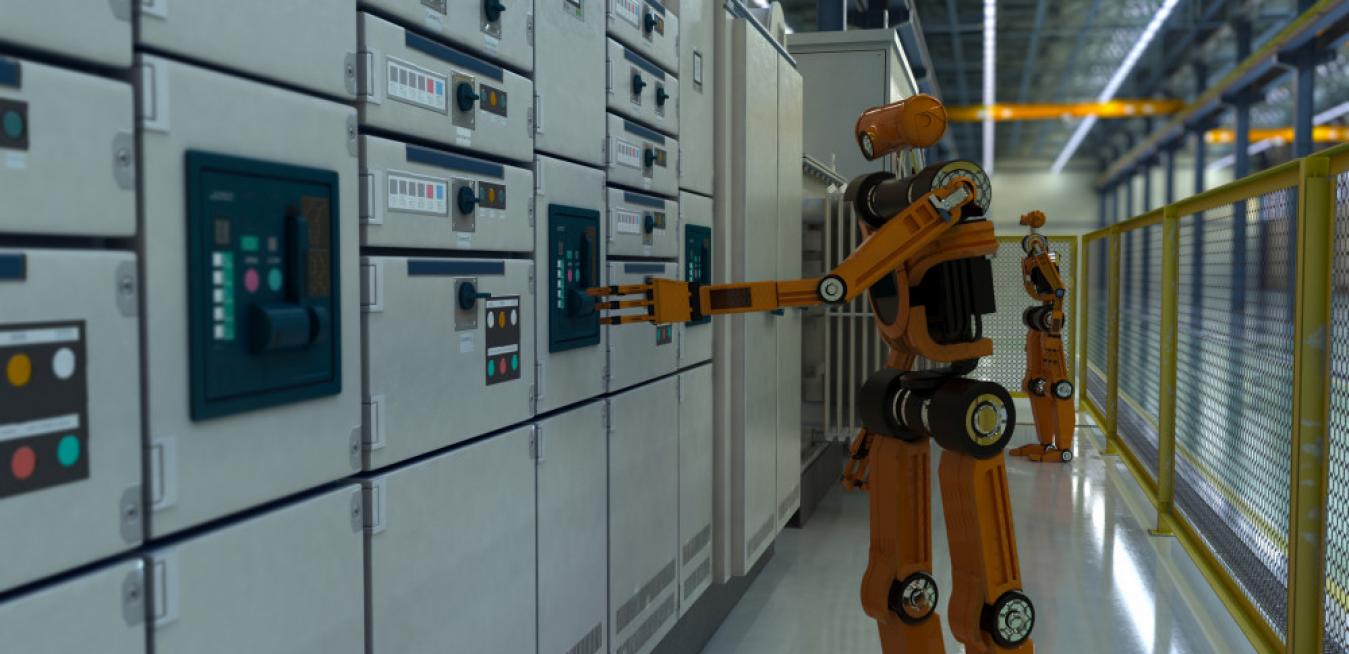
work
A 10-Hour Work Week? How Robots Can Make Us Happy
Can technological advancement actually help us become fully human? Boston College psychology professor, Peter Gray, argues that an automated world could lead to happier and even more productive human beings. Like children, he says, adults are designed to play.
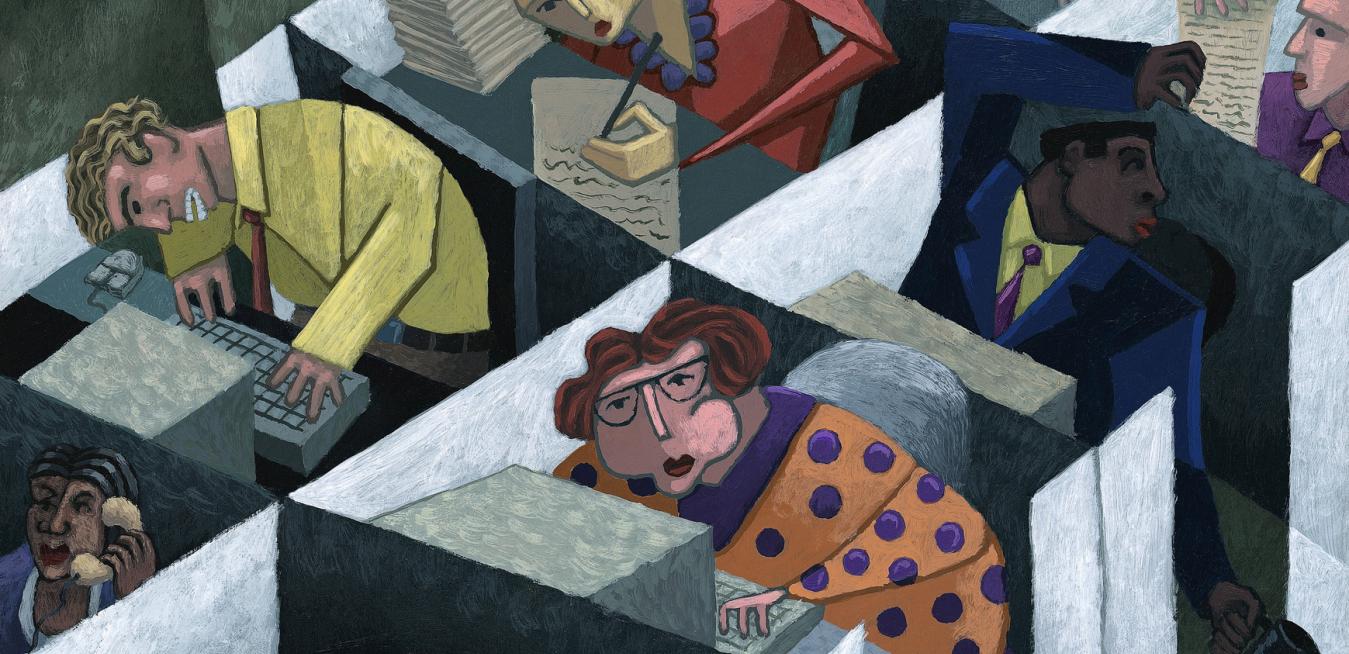
The Future of Work
You’re Not Safe In Your Cubicle: Middle-Skilled Workers Will Be Left Behind
Workers need new skills to compete in today’s economy, some more urgently than others -- but on whose dime?
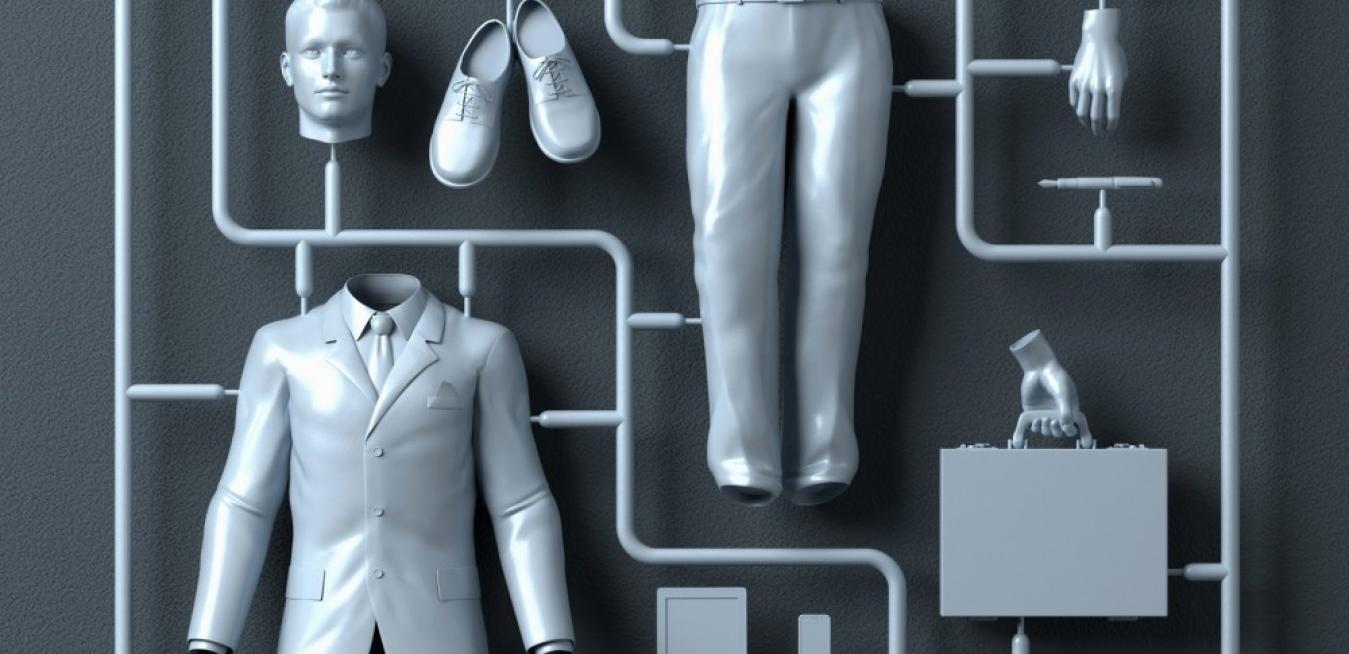
The Future of Work
Should It Worry Everyone That 90 Percent of Workers Are Confident In Their Skills?
According to a recent survey, most people aren’t worried about the effect of automation and artificial intelligence on their jobs. If the world is becoming increasingly automated, what are the skills most needed? The British government hopes businesses can address unemployment and the skills gap by creating 3 million apprenticeships by 2020. But who will lead the way?
Robots
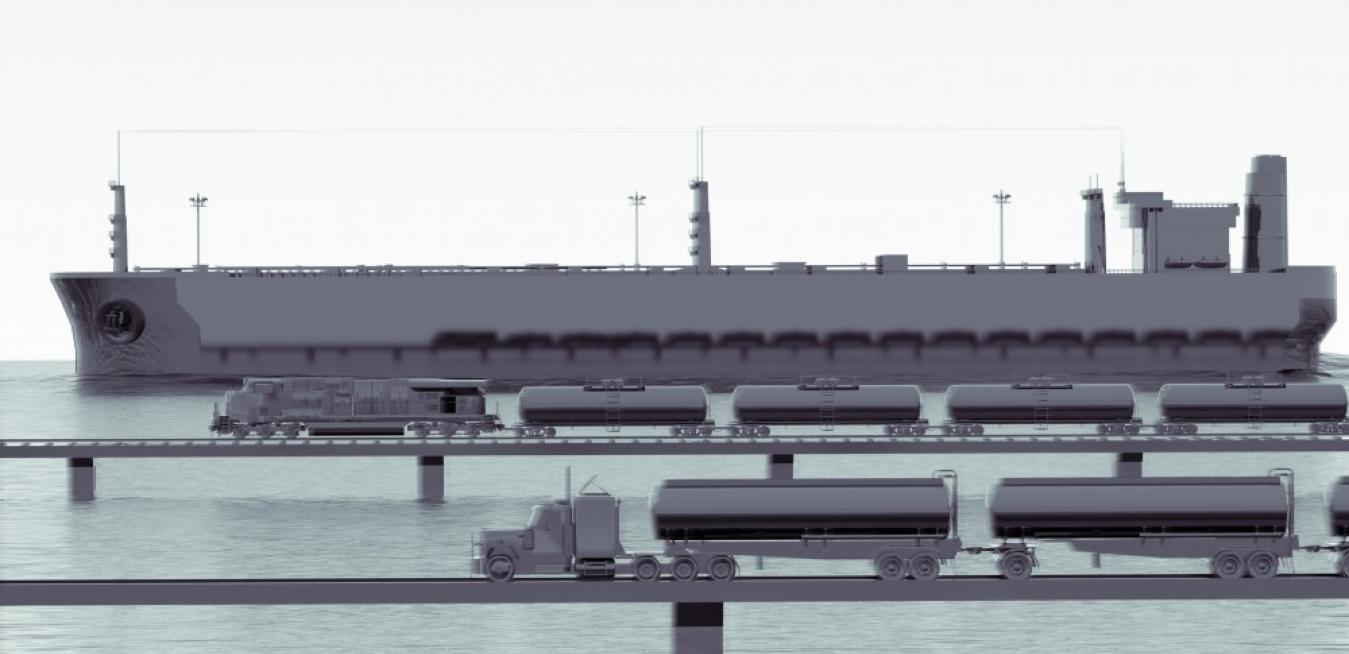
Forget Self-Driving Cars: Autonomous Trucks, Trains And Ships Will Transform Commerce
Will self-driving trucks, trains or ships make it to the mass market before autonomous cars? Automation can improve the efficiency of the freight and transportation industries, which will be good news for a range of global businesses.
Robots
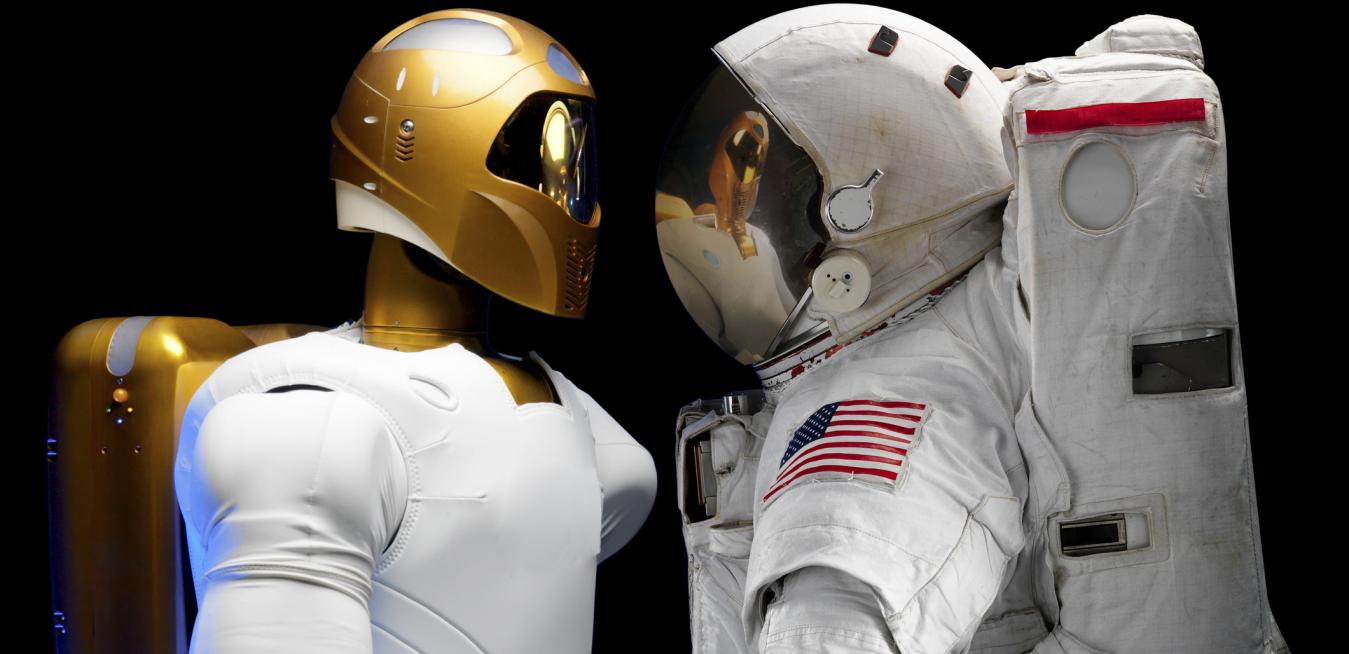
Can I Trust My Robot And Should My Robot Trust Me?
It's not just people who need to get better at talking to one another. Space roboticist Riccardo Bevilacqua says we need to teach our machines how to communicate more effectively for robots to reach their full potential.
If we are serious about long-term human presence in space, such as manned bases on the moon or Mars, we must figure out how to streamline human-robot interactions.