
Innovation
5 Coolest Things On Earth This Week



STEM
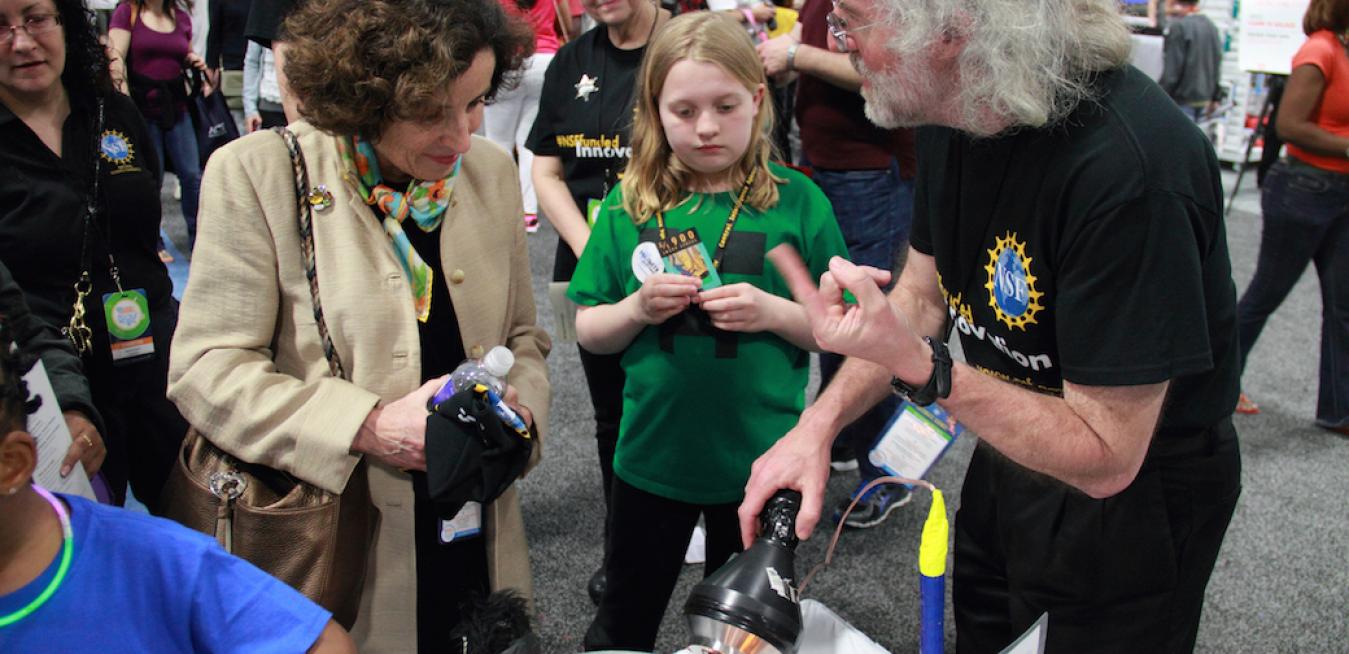
The Future of Science Is Big (Data) and Tiny (Nanoscale) - Interview with France Córdova of the National Science Foundation
The head of the National Science Foundation discusses the promises and challenges of science and tech research, including the need to scale up the U.S. innovation ecosystem and make it more evenly distributed geographically.

Zeroing in on the Big Picture
Why, where and how companies will innovate in 2015
If patents are viable proxies for innovation, then “innovation is on the rise”, states the Thomson Reuter’s 2014 State of Innovation report. The computing sector alone logged in 300,000 unique inventions. Rounding out the report’s top five most innovative industries were telecommunications (126,000 patents), automotive (123,000), semiconductors (97,000) and medical devices (75,000). All five industries had more R&D activity in 2013 than in the year before.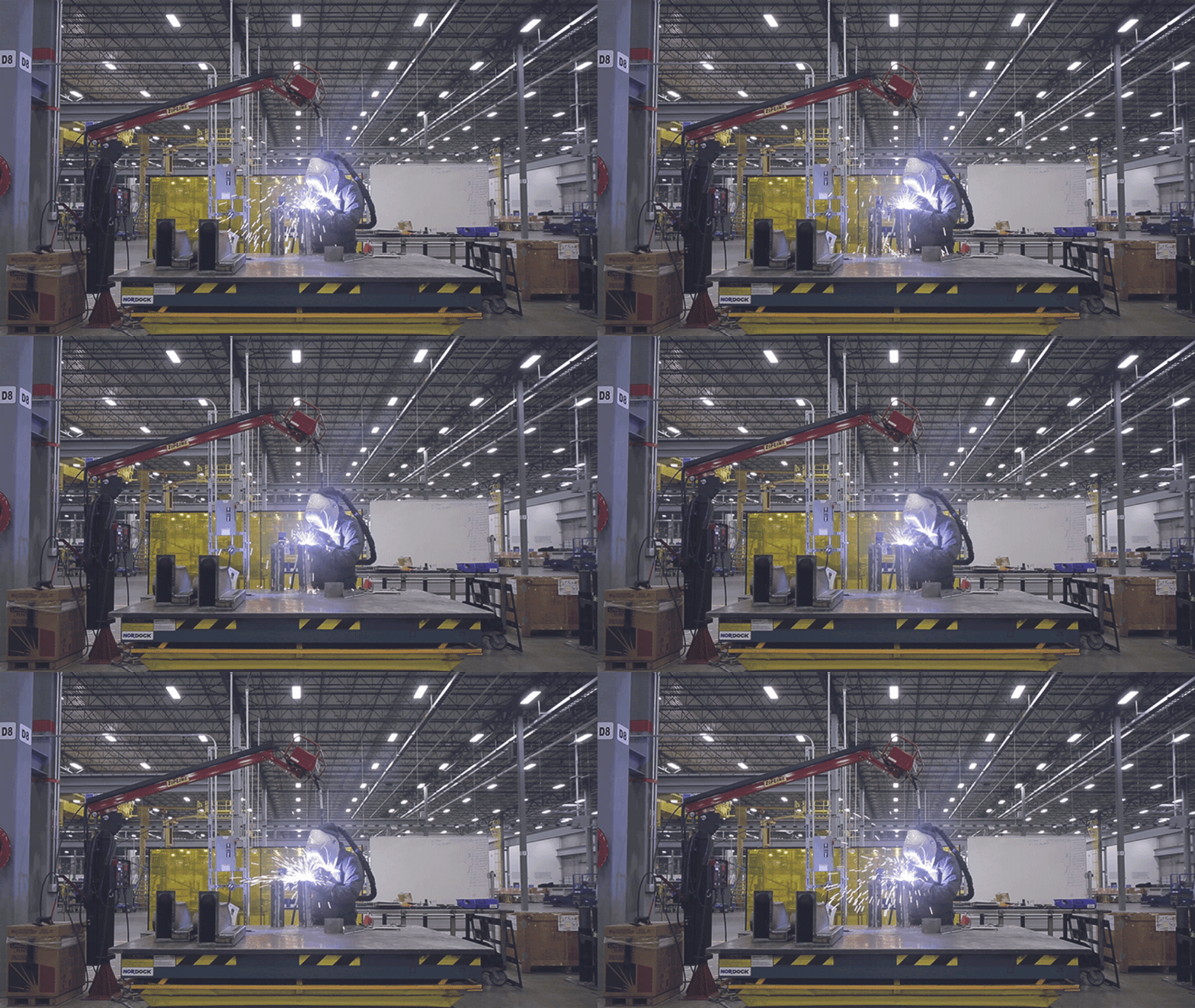
Perspectives
Cultural Shift in the Industrial Internet Age — Q&A with Edward Youdell
To realize the benefits of these technologies, however, companies need to ensure that data analytics are being applied in the most effective way and communicated to the right people. That often requires a cultural shift throughout the operations — from the C-suite to the shop floor.

Thomas A. Stewart: The U.S. Middle Market Has Found a Higher Gear
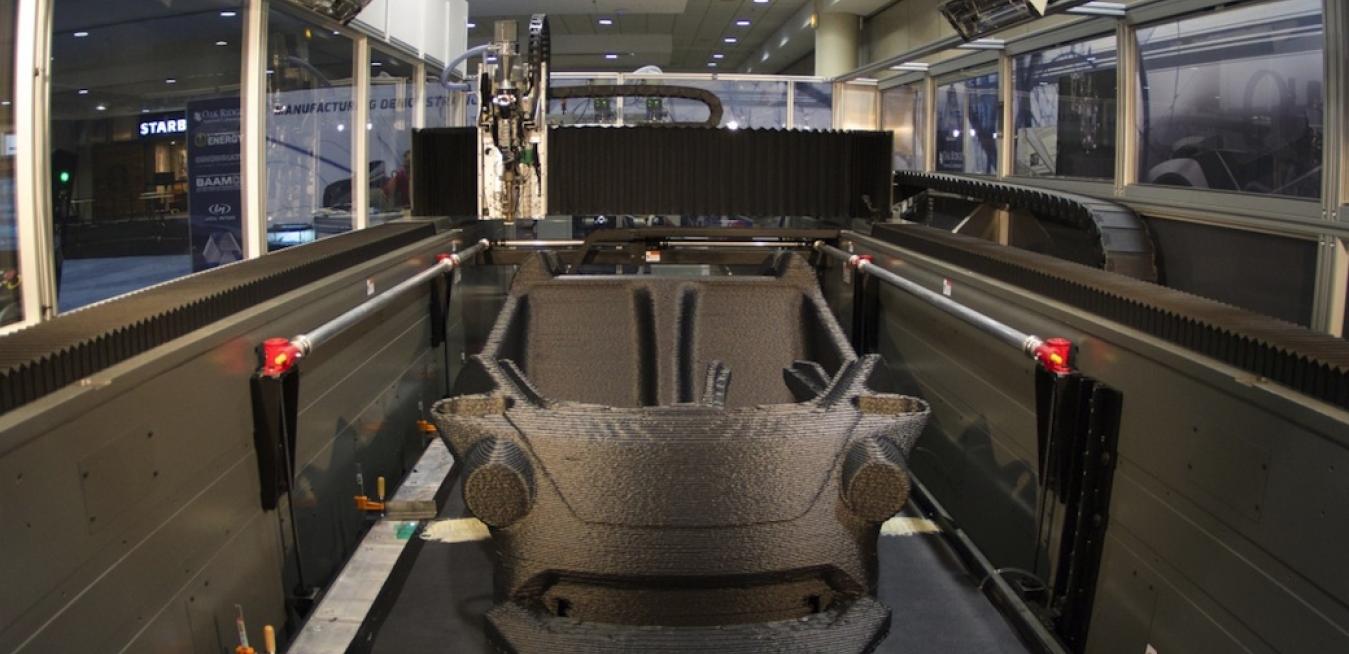
Mark Muro, Scott Andes and Matthew Stepp: Department of Energy’s National Labs Can Also Be Regional Hubs
How can they be better leveraged?
There are lots of ideas out there, but as we argue in a new paper, one of the most effective ways for the labs to increase their economic impact is for them to “go local” and engage more in the advanced industry ecosystems within which they reside.
Robert D. Atkinson: Driving Economic Evolution

Jennifer Brant: Protecting Trade Secrets to Stimulate Knowledge Flows
After leaving Geometric, the employee was caught trying to sell the software code to SolidWorks’ competitors. Because Indian law does not recognize the misappropriation of trade secrets, it was not possible to sue the individual. Since the source code belonged to SolidWorks — not Geometric — he technically had not stolen from his employer.

Fracking Industry Looks for Ways to Vanquish its Water Habit