Innovation
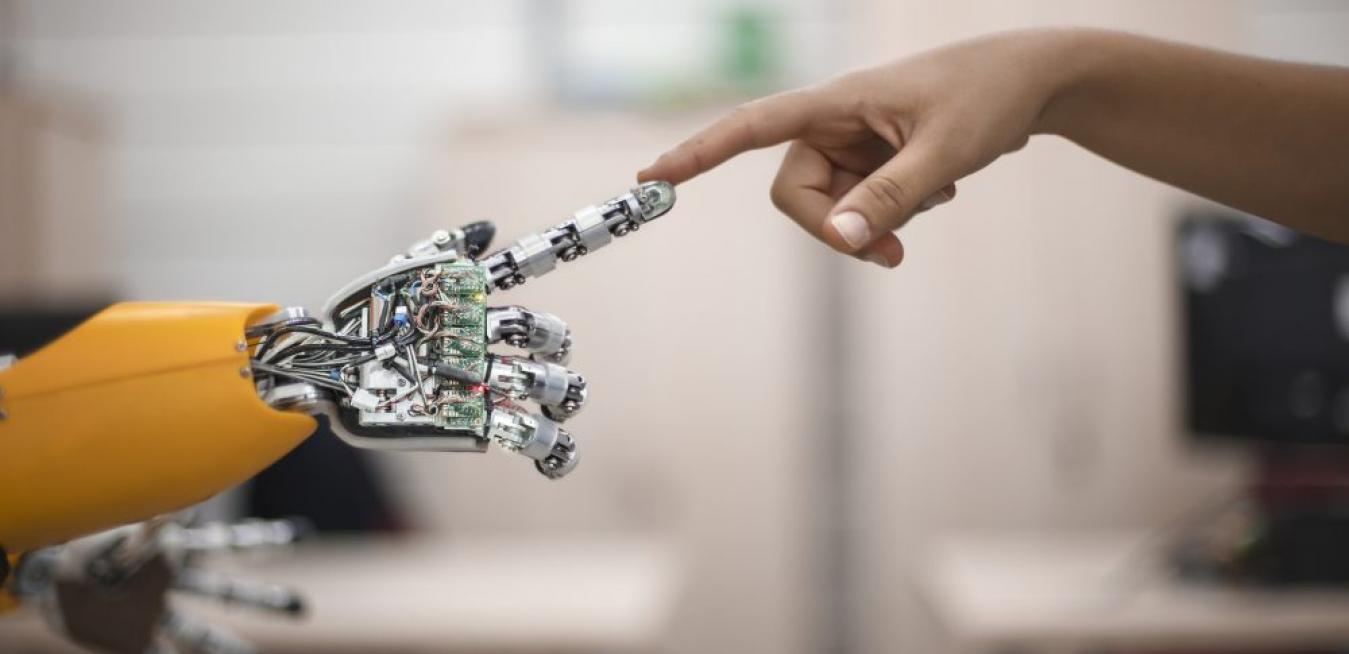
The 5 Coolest Things On Earth This Week



Physicists in Germany designed an optical mirror that’s a thousand times thinner than a human hair but emits a powerful reflection, scientists in Washington created a tiny wireless camera system that can be attached to the backs of insects, and a Russian team came up with a way to make it easier to use nanoparticle therapies to treat disease. In this week’s coolest scientific advances, big ideas come in small, small, small packages.
research
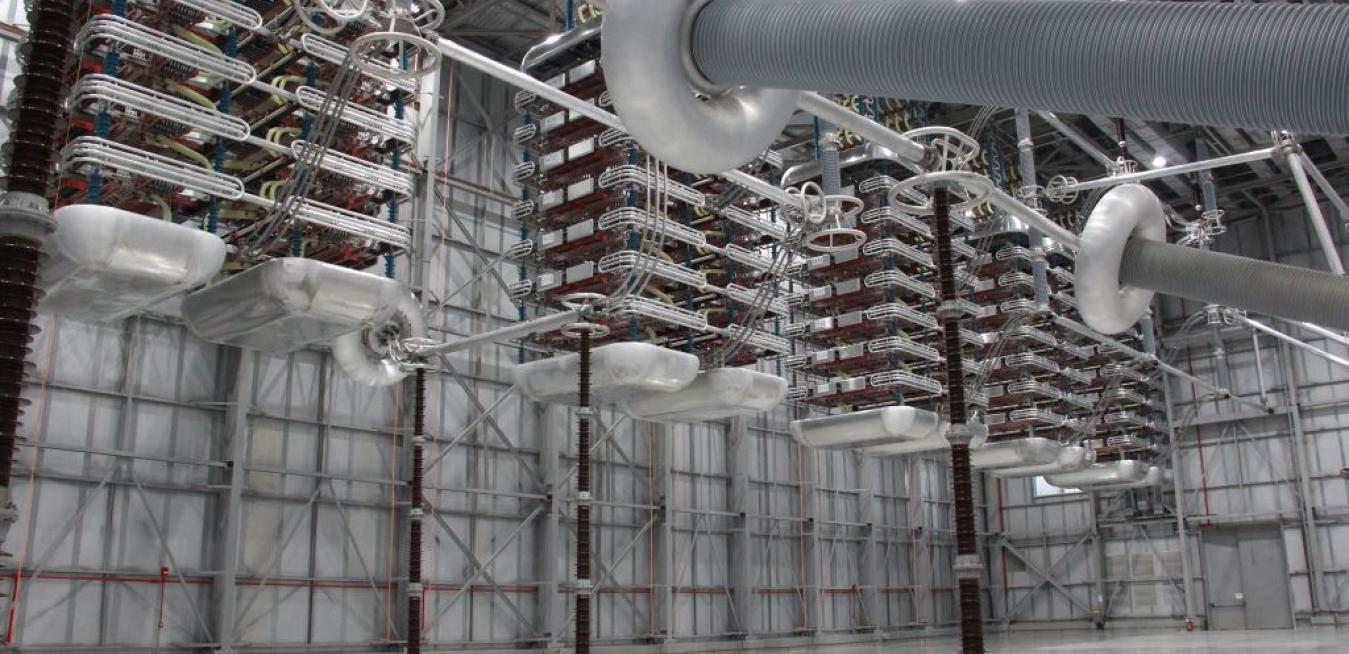
Innovation Nation: The Government And Industry Team Up To Invent The Future Of Energy
Energy will be in the air in Denver this week when 2,000 of the nation’s brightest science and engineering minds, high-powered executives and politicians descend on the city to take on America's most urgent energy problems. A key part of their agenda: harnessing the power of public-private collaboration to drive innovation.
This year’s ARPA-E Energy Innovation Summit will showcase nearly 300 early-stage technologies seeking to improve the grid, boost energy storage, scale carbon sequestration and solve other critical challenges facing the energy sector.
Can MRI be for psychiatry what the angiogram is for cardiology?
research
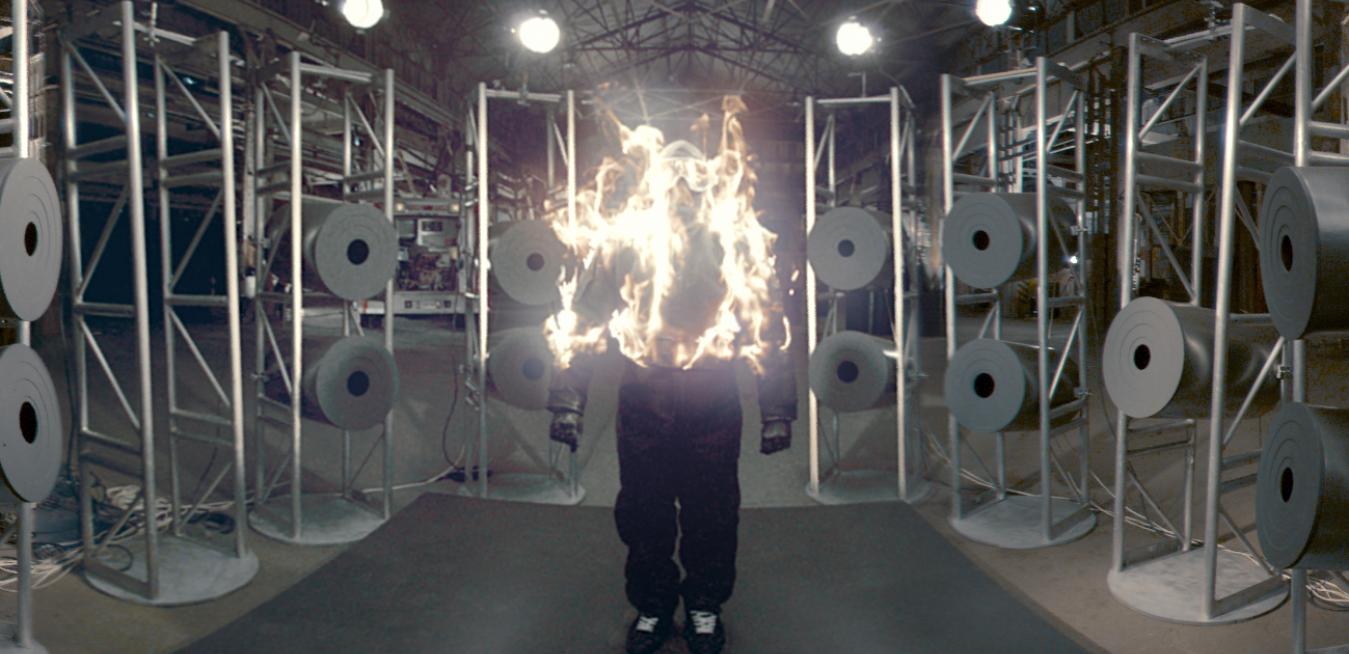
Don't Try This At Home: Yes, You Can Fight Fire With Fire

space
Look Up! An Out-Of-This-World Holiday Spectacular
research
All You Want For Christmas In 2027: These Stocking Stuffers Are In Your Future
Superfast Mobile Devices

science
Labracadabra Scientists! Have Yourself An Experimental Holiday
research
Make It Bigger: Ike Eisenhower And This GE Engineer Have Something In Common

Five Coolest Things On Earth This Week
The Itsy Bitsy Spider’s Web Is A Sophisticated Information Network, Scientists Say
Aerospace
Comeback Kid: The Next Sound-Barrier-Busting Passenger Jet Could Be Quietly Supersonic
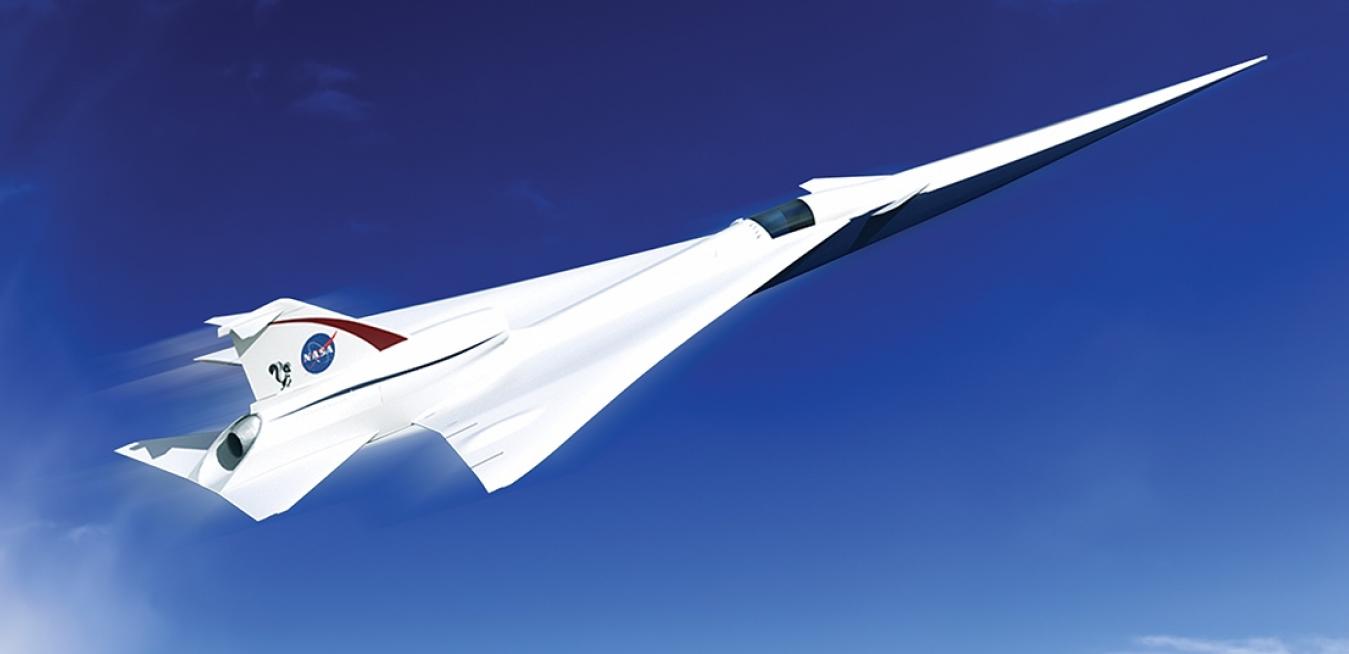
The plane could accelerate above the speed of sound only over the ocean. The prospect of noisy sonic booms caused by the plane crossing the sound barrier forced pilots to hold back the throttle above towns and cities after takeoff and before touchdown. “This speed limit actually made the plane much less efficient,” says Karl Wisniewski, director of advanced programs at GE Aviation. “It was designed to fly fast.”