
trade
Why Trade Deals Work For U.S. Workers



A review of the impact of U.S. trade deals since NAFTA shows they have improved U.S. trade balances and boosted exports, getting U.S.-made goods on the shelves of its trading partners.

globalization
No Gain Without Pain: We Need Better Economic Shock Absorbers To Prevent Bumpy Recoveries
trade
Let's Make Small Go Big: Financing The Engines Of Growth
trade
How The Global Fund for Ecommerce Is Helping Entrepreneurs in Developing Countries Enter The Digital Era
By bringing together public- and private-sector support for digital trade, the Global Fund for Ecommerce could help developing country entrepreneurs go global.

trade
Kati Suominen: Next Big Roadblock to Trade — Congested Cities
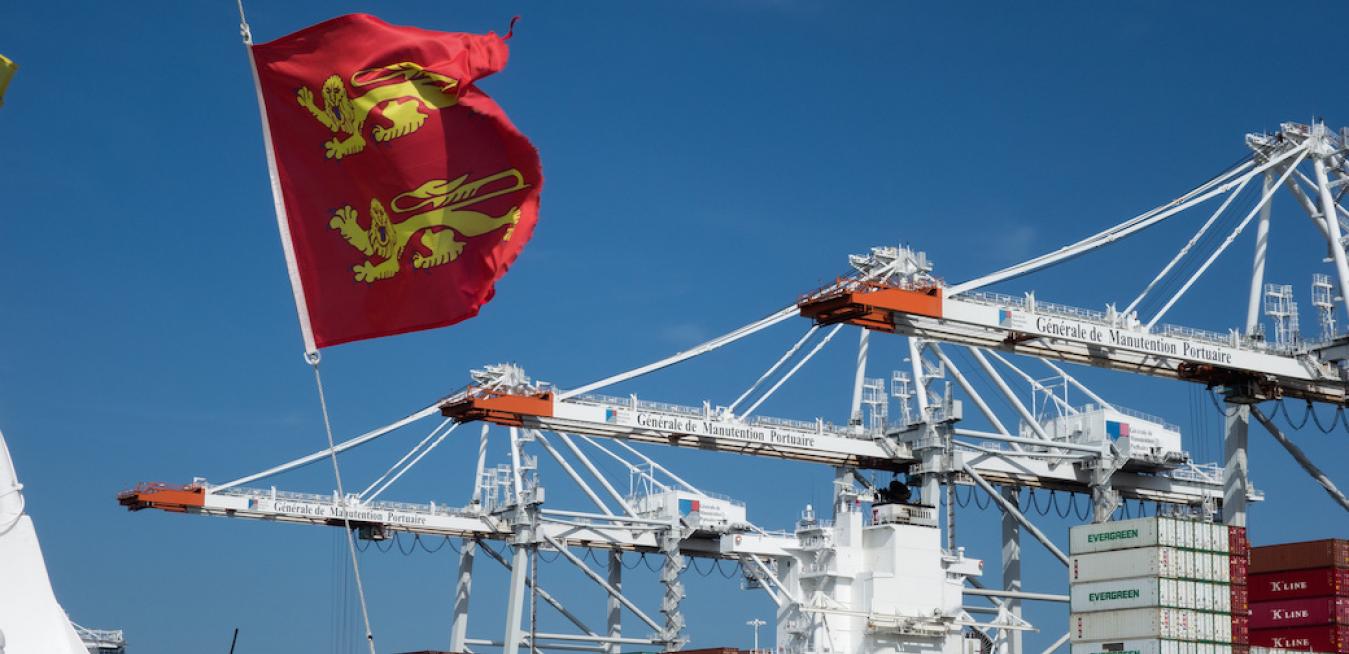
Spending on trade facilitation needs to focus on megacities.
As corporations have built giant global supply chains around the world, governments have done their share, reducing tariffs and other trade barriers impeding market access of goods and services. Although the implementation of the WTO’s historic Trade Facilitation Agreement (TFA) will significantly help undo bottlenecks at national borders — promising to free up more than $1 trillion in global GDP — a growing challenge in the movement of trade remains: cities.
2016 predictions
Gary Hufbauer and Tyler Moran: 2016 — A Good Year to Ace the Trade Agenda
With momentum building on the trade front despite ongoing concerns about globalization, here’s how leaders can earn an A in trade.

trade
Andrea Durkin: Why Aren’t American App Developers Looking Overseas?
With the global market for apps taking off, exports are fast becoming an attractive proposition for U.S. software developers.
There are over 1 million U.S. software developers, according to the Bureau of Labor Statistics. It’s one of the fastest-expanding job categories in the United States, with projected growth of 22 percent through 2020.

3D Printing
Nicole Y. Lamb-Hale: How to Protect Your 3D-Printed Assets
The gains from the global 3D printing revolution come with tremendous risk of IP theft — if not carefully managed.
The 3D printing industry is expanding at a rapid pace. Global revenue from additive manufacturing, which consists of printing layer upon layer of a material to make an object out of a digital file, is expected to top $21 billion by 2020 — a seven-fold increase from 2013.

trade
Amb. Michael Froman: If We Don’t Write the Rules of the Global Economy, Others Will
America is at a crossroads in the world economy. If we don’t take the lead in writing the economic rules of the road through trade agreements like the Trans-Pacific Partnership (TPP), other countries will.
The United States economy continues to gain strength and create new jobs and opportunities for the American middle class, while acting as a driver of the global economy.