Innovation
Friends In High Places: The First American Jet Engine Was Born Inside a Power Plant



The last two have a long history together. After first playing an important part in bringing electricity to homes and businesses, GE’s expertise in power generation and gas turbine engineering gave birth to the company’s aviation business. Now, aviation engineers are returning the favor by their lending their jet-engine know-how to ultra-efficient gas turbine designs.
People have taken notice. Guinness World Records recently recognized a power plant in Japan that uses a GE turbine as the world’s most efficient combined-cycle power station. And the GE90 engine holds the title of the most powerful jet engine on the planet.
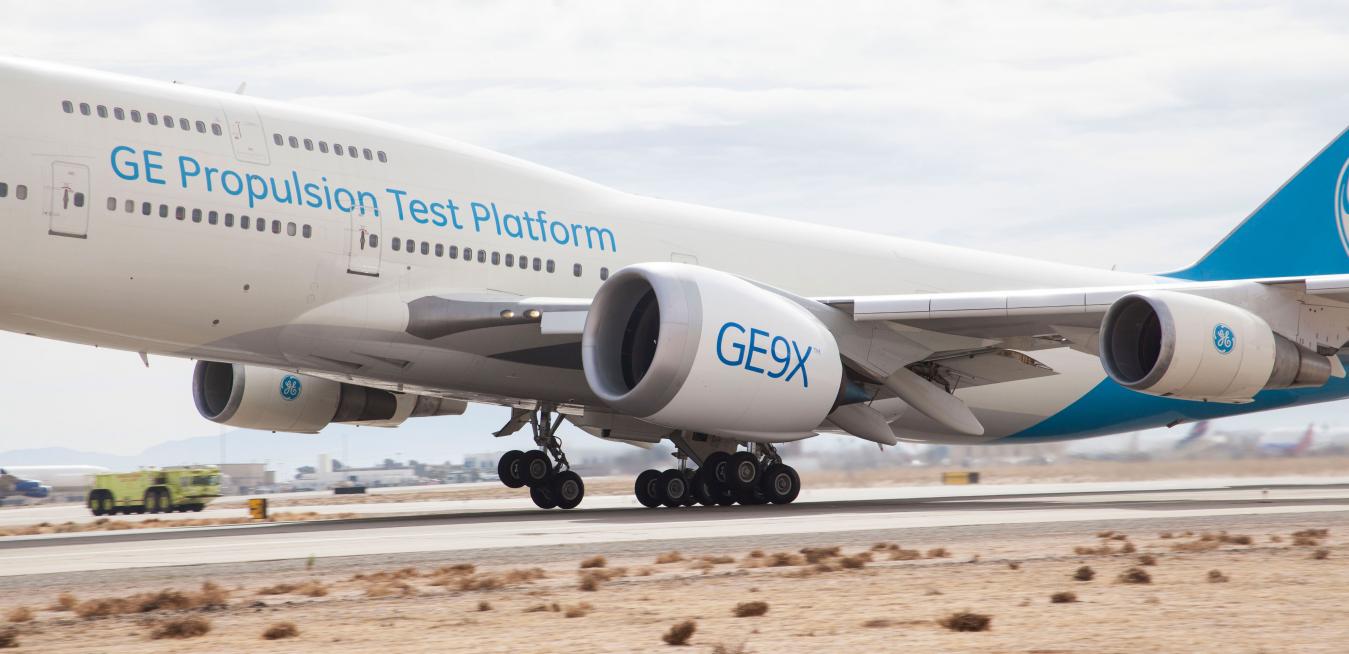
For GE’s engineers, setting new records is practically part of the job description. Relying on new technologies like additive manufacturing, which includes 3D printing, and advanced composite materials, they continue to perfect their turbines. The company also has developed the world’s largest jet engine, the GE9X, which just took its maiden flight. (See top image.)
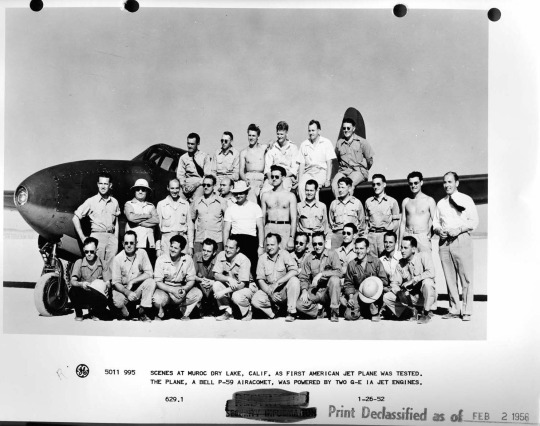
Take a look at GE Aviation’s and GE Power’s intertwined history:

[embed width="600"]https://www.youtube.com/watch?v=2j2wnbKEE-o[/embed]
[embed]https://www.facebook.com/GE/videos/1277305489046147/[/embed]
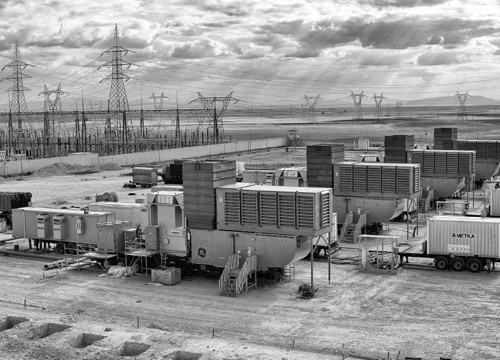 Today, there are thousands of aeroderivatives working all over the world. For example, they have been helping Algeria’s growing economy slake its thirst for electricity. Image credit: GE Power.
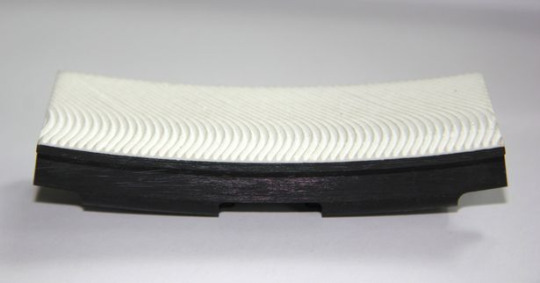 GE's HA-class gas turbines are now also using parts made from ceramic matrix composites, a material that already serves inside the latest jet engines. Components from the material can help make jet engines and gas turbines more efficient. The super-ceramics can withstand temperatures approaching 2,400 degrees Fahrenheit, where even the most advanced alloys grow soft. Image credit: GE Aviation.